
Confirm the product condition before freight planning
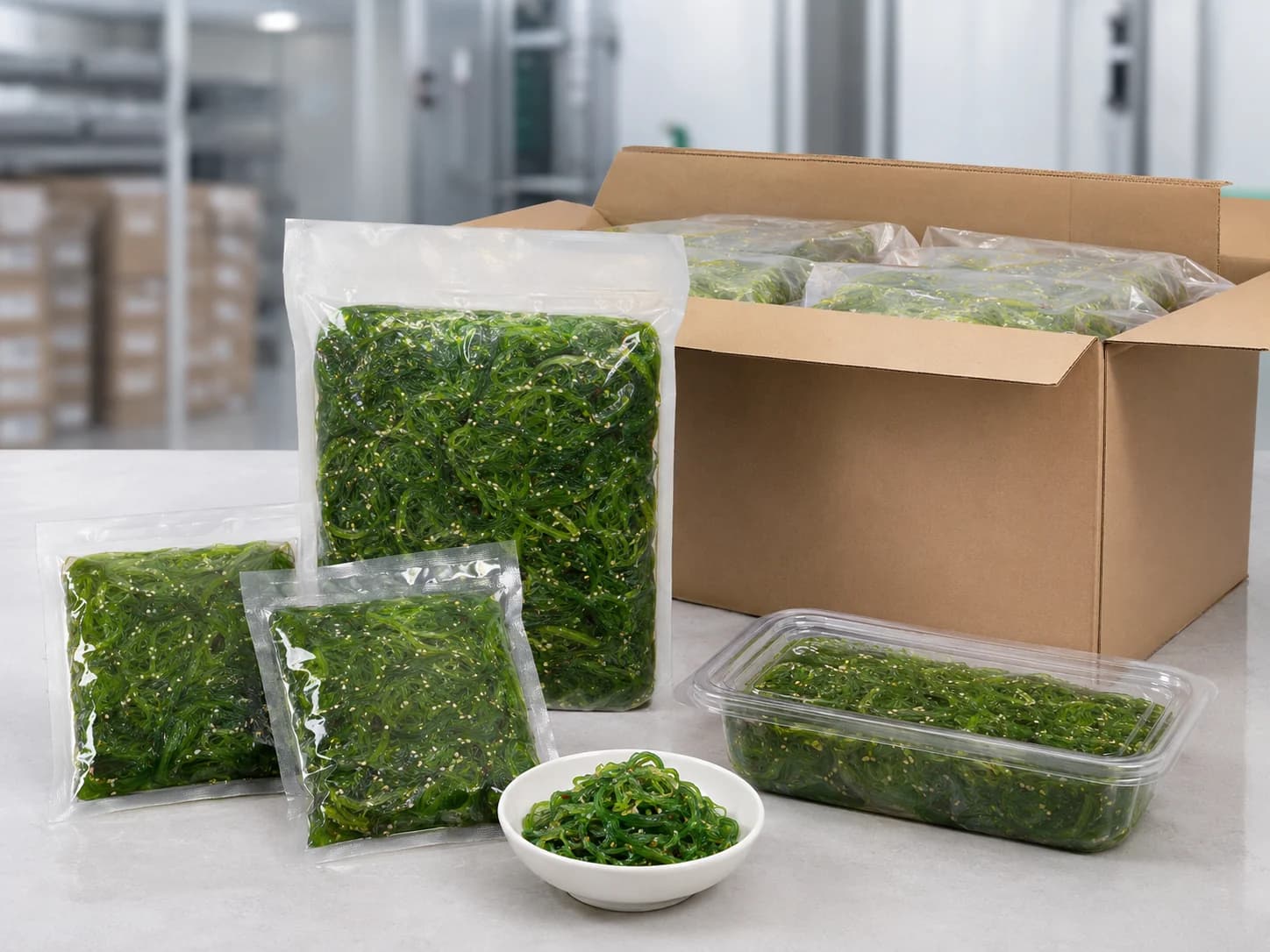
A product’s marketing category does not always reveal its transport condition. Seaweed salad, mochi, sauces or noodles may be supplied in different formats. The selected SKU and label should state whether it is ambient, chilled or frozen.
Freight quotations and lead times should be based on that confirmed condition.
Ambient shipments still require product protection
Shelf-stable does not mean the product is unaffected by heat, humidity, odor or crushing. Review carton strength, inner barriers, container cleanliness and seasonal route conditions.
Liquid packs and glass containers may need additional handling controls compared with dry cartons.
Frozen shipping requires a controlled chain
For IQF fruits, vegetables and mushrooms, confirm the required storage temperature, production and loading plan, reefer setting and responsibilities at each handover.
Temperature data and product loading condition should be handled according to the agreed quality plan. The exact requirement depends on the product and destination.
Separate document and inspection needs
Frozen produce may require crop, processing or test information that differs from shelf-stable packaged foods. Ask for documents against the selected product and market rather than using one generic checklist for every category.
Importers should verify current destination requirements with the relevant authorities or qualified advisers.
Compare landed risk, not only freight rate
A cheaper route may involve longer transit, more transshipment or less suitable equipment availability. Consider total lead time, product sensitivity, port conditions and the cost of a delay.
Build contingency time into products with seasonal production or strict cold-chain requirements.
Need a product-specific quotation?
Send Longki Foods your target product, pack, quantity and destination market. We will identify the information that still needs confirmation.
Request a Quote