
Buying Guides · 8 min read
How to Source Asian Food Products from China
A practical B2B process for defining products, comparing suppliers, approving samples and preparing an export order.
Read guidePractical, procurement-focused guidance for importers, distributors, retailers, foodservice operators and private-label teams.
Use each hub to prepare a clearer sourcing brief before requesting product-specific quotations.
Prepare clearer product briefs, compare supply options and reduce avoidable purchasing risk.
Browse topic 25 guidesUnderstand product formats and the questions that matter before approving a commercial specification.
Browse topic 4 guidesPlan documents, storage conditions, consolidation and international shipment responsibilities.
Browse topic 8 guidesBuild a realistic workflow for formula, packaging, artwork, MOQ and approval decisions.
Browse topic 7 guidesOrganize products, formats and supplier information around the needs of professional kitchens.
Browse topicA practical B2B process for defining products, comparing suppliers, approving samples and preparing an export order.
Read guide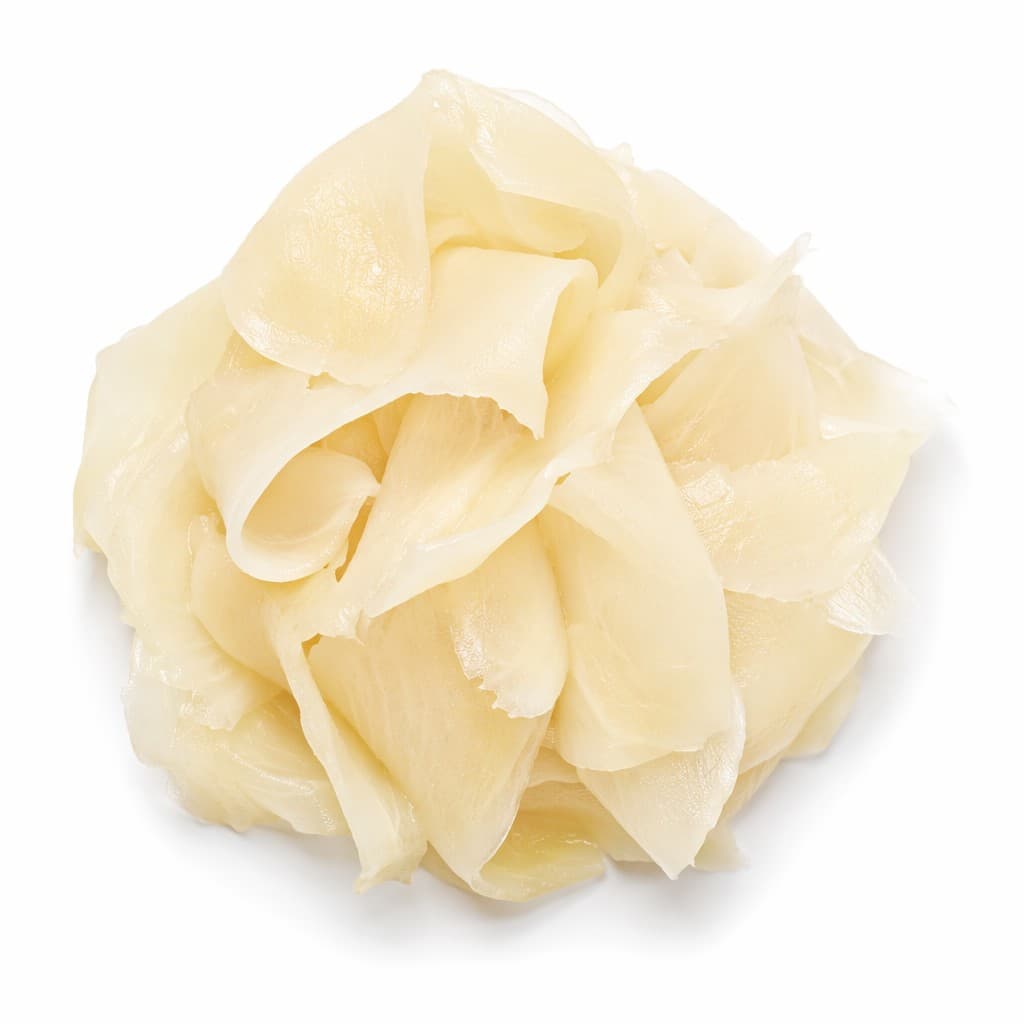
Compare color, positioning, label questions and purchasing checks for white and pink pickled sushi ginger.
Read guide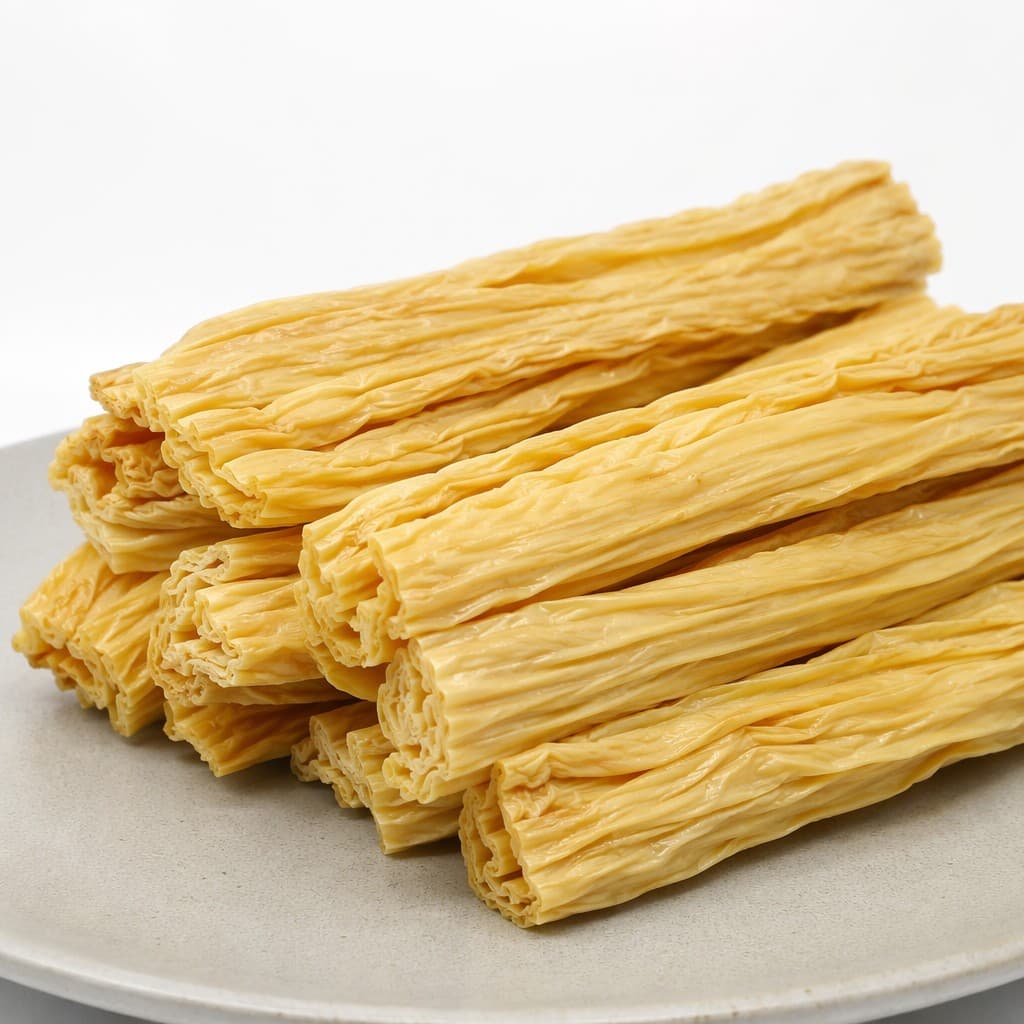
When a mixed load makes sense, what carton data buyers need and how to reduce coordination risk.
Read guide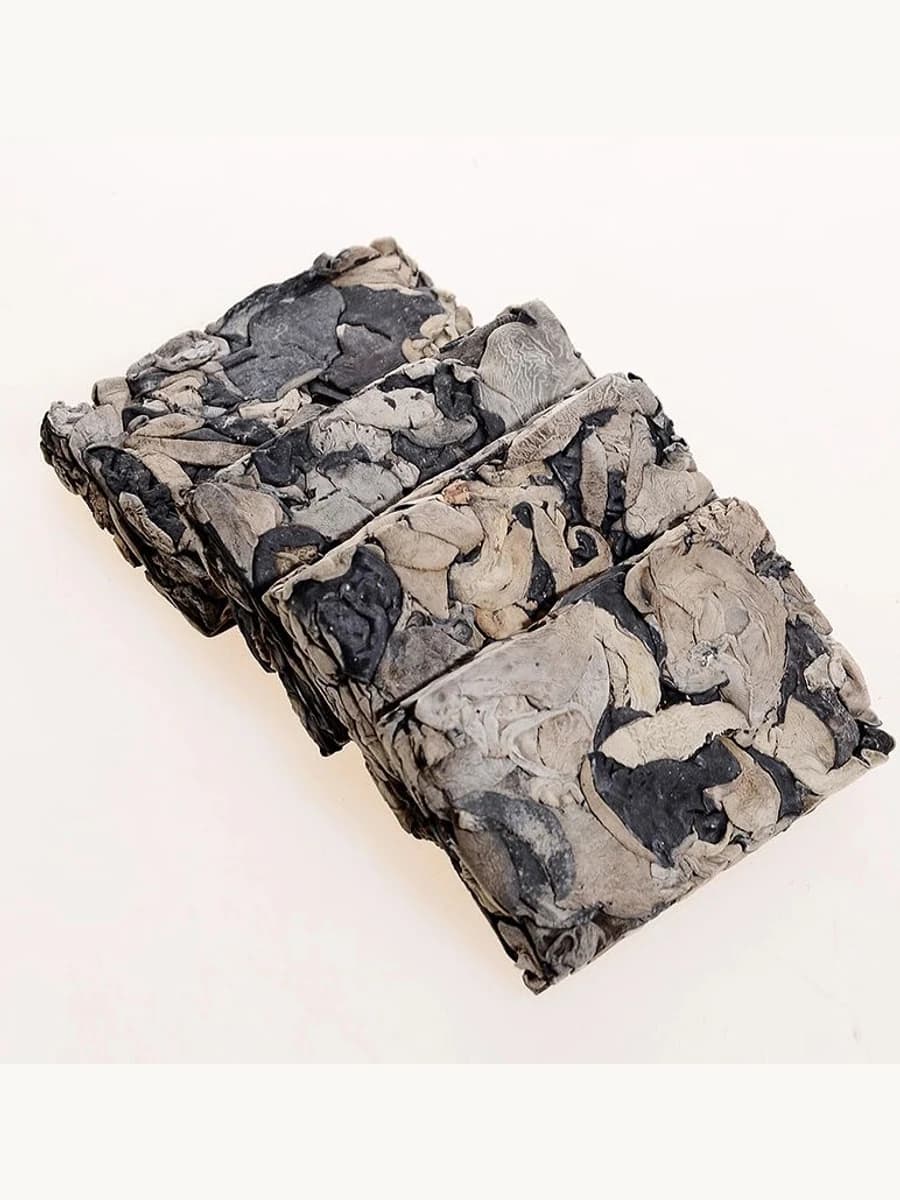
Learn how to specify block weight, rehydration ratio, thickness, moisture, packing and approved samples when sourcing compressed wood ear mushrooms.
Read guide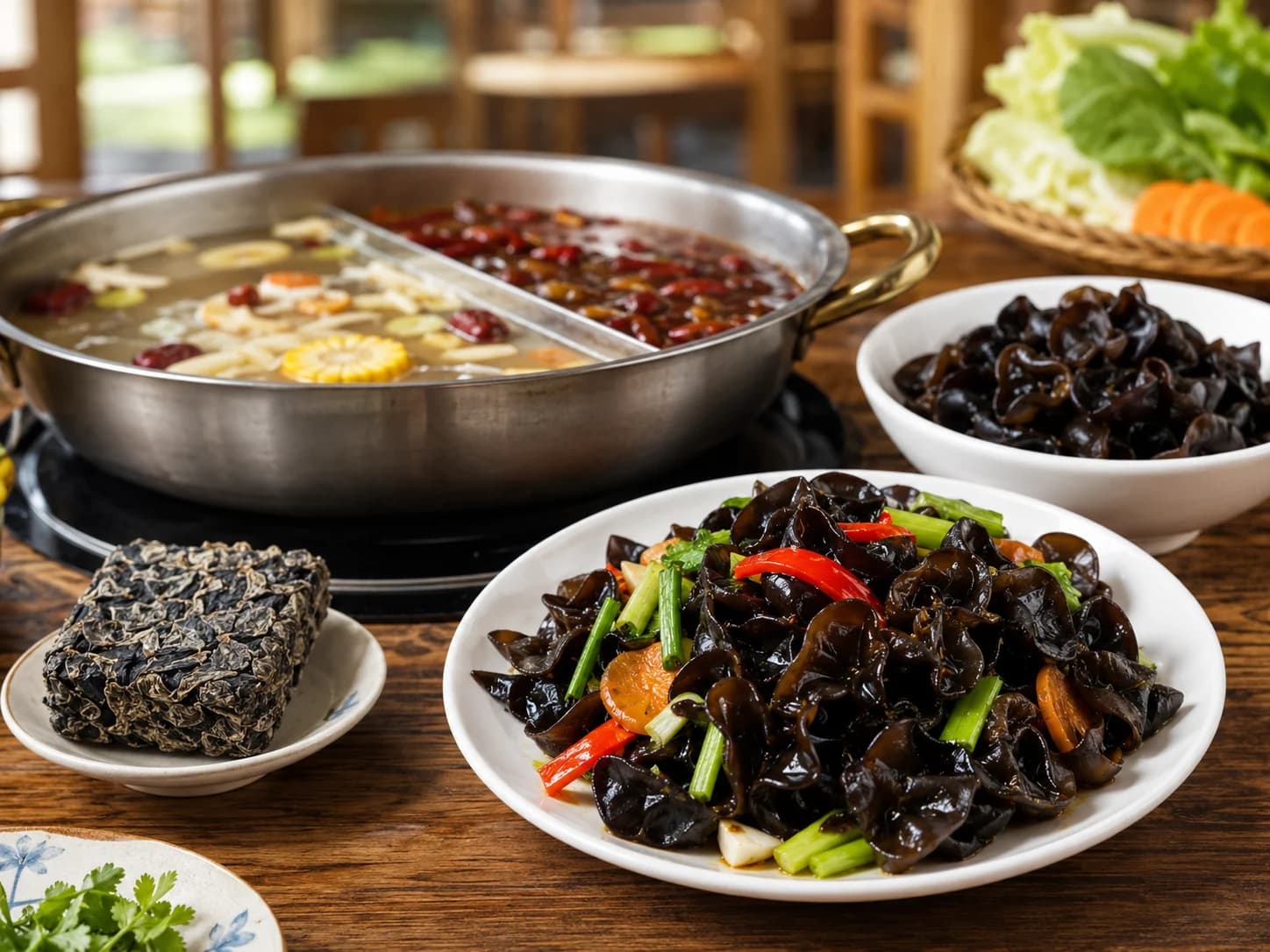
A practical method for comparing soaking conditions, expansion yield, texture and usable rehydrated wood ear mushroom.
Read guide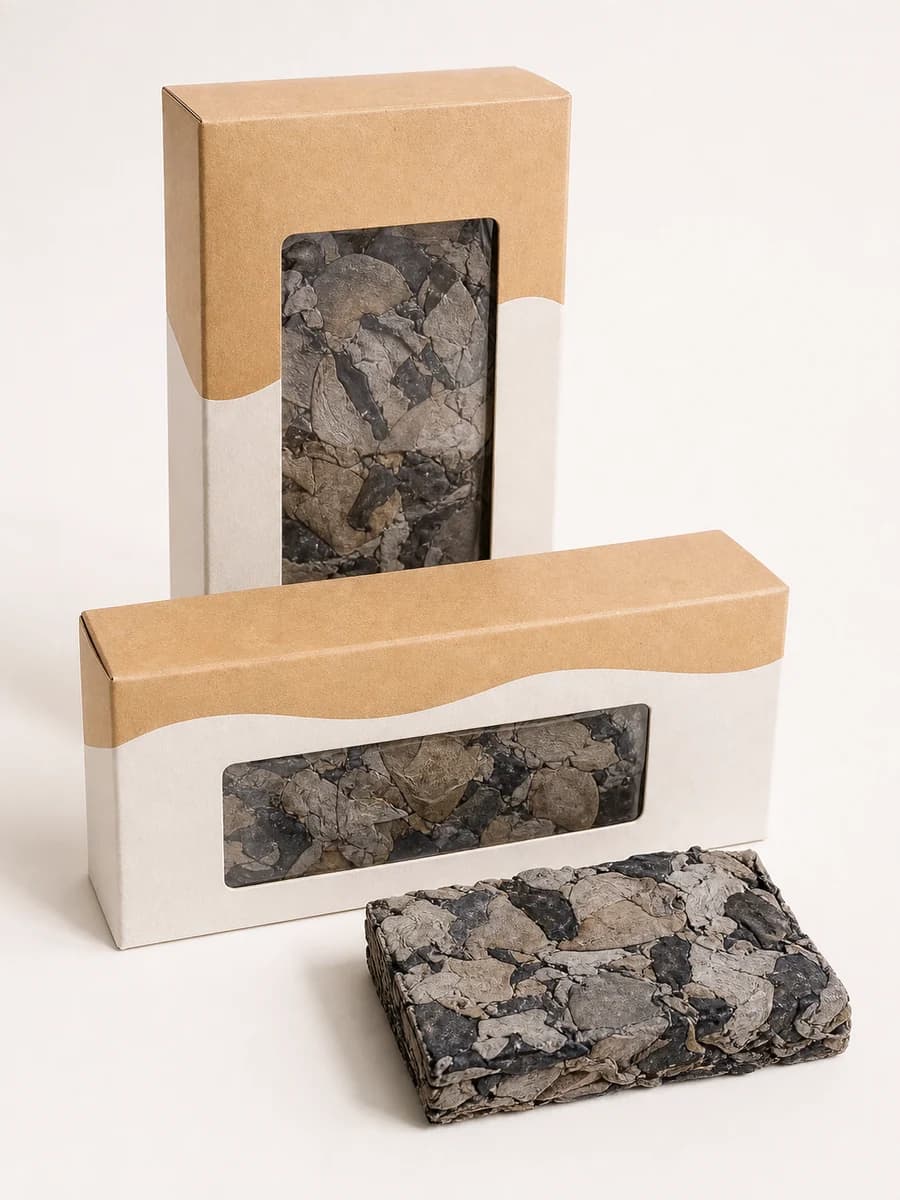
Compare block counts, retail boxes, inner bags, net and gross carton weight, carton volume and private-label requirements.
Read guide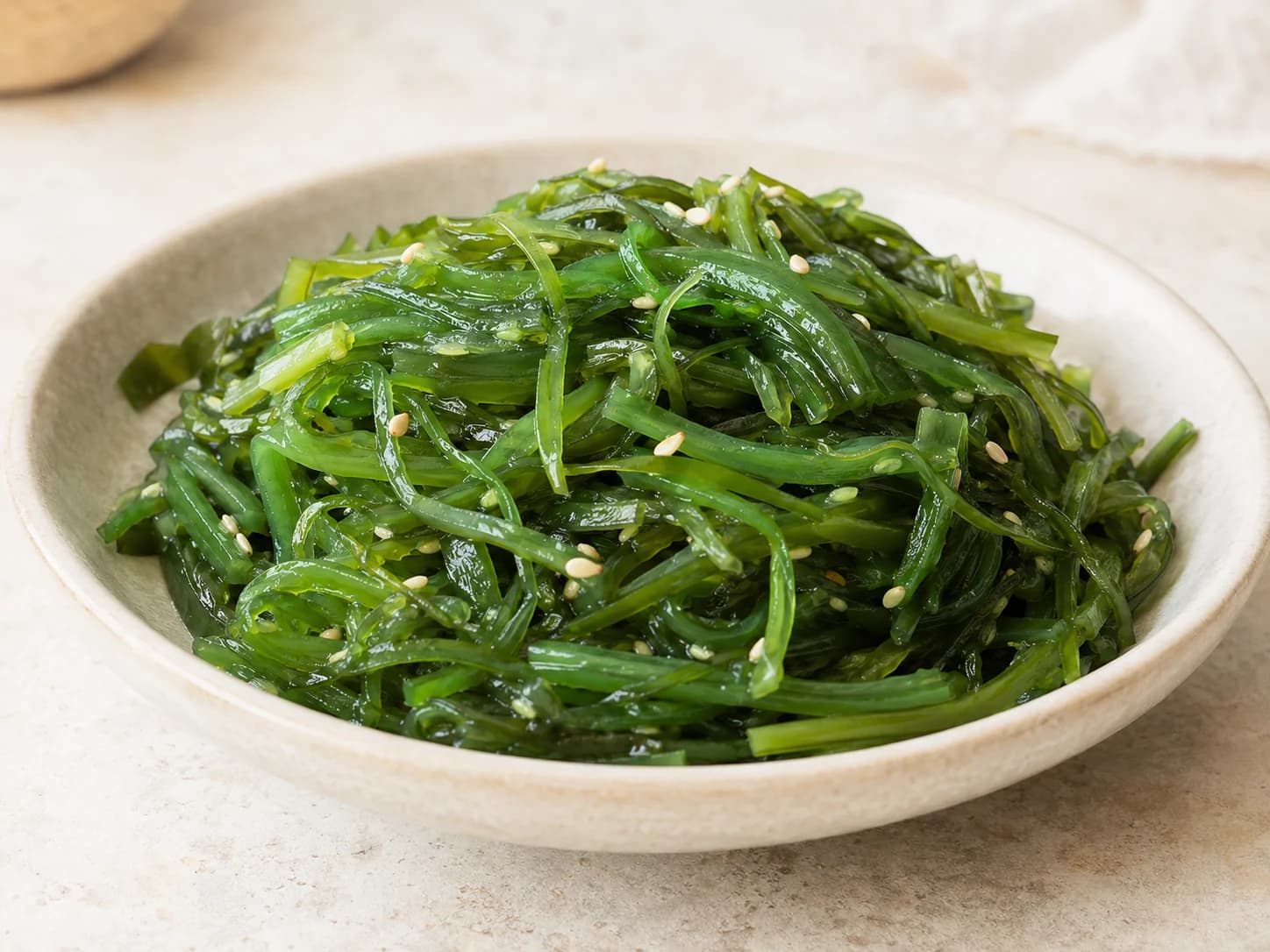
A buyer-focused framework for specifying hiyashi wakame formula, allergens, frozen storage, packing, samples and supplier documents.
Read guide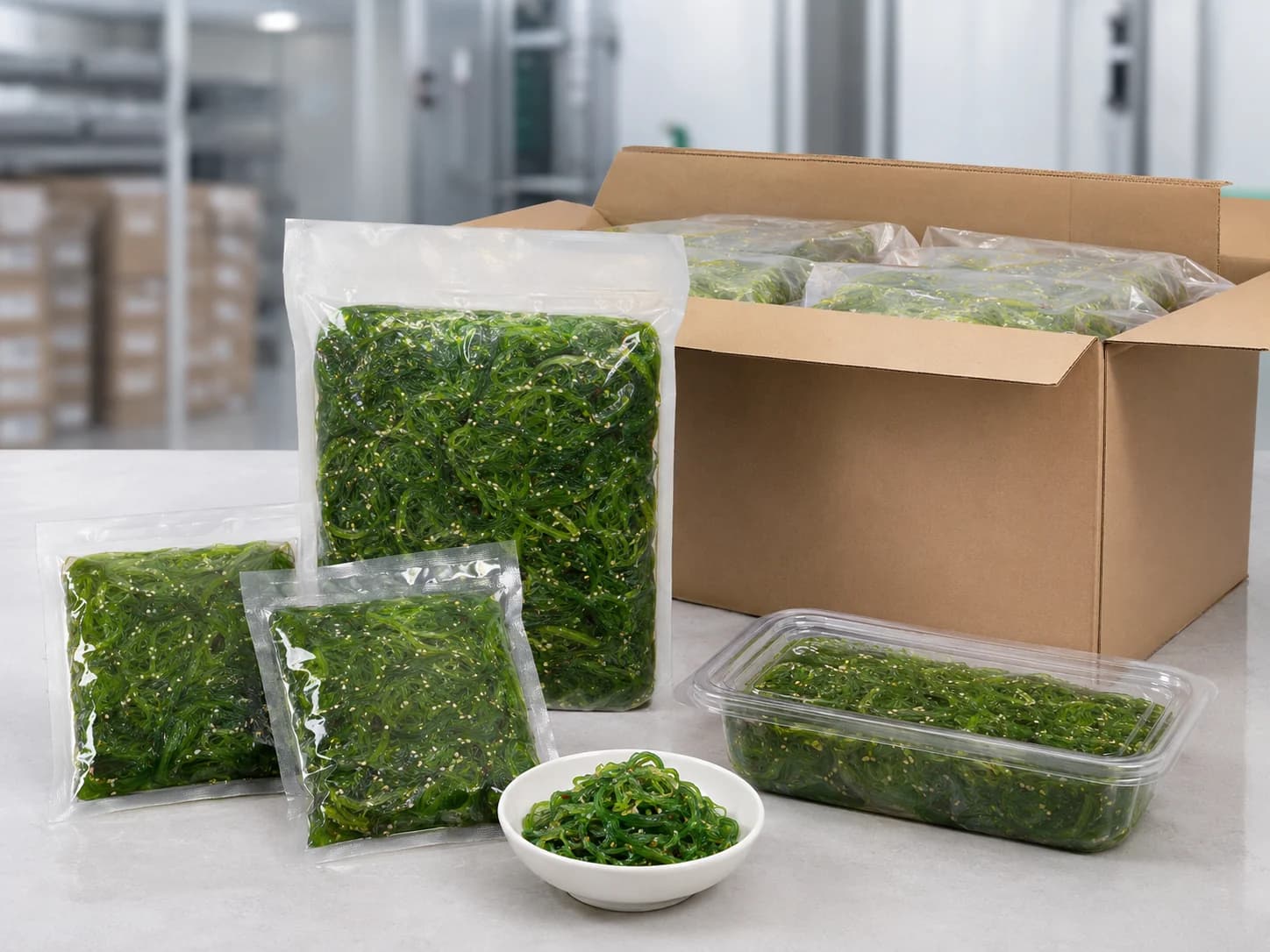
Plan frozen-chain checks, thawing validation, after-thaw controls and label approval for seasoned seaweed salad programs.
Read guide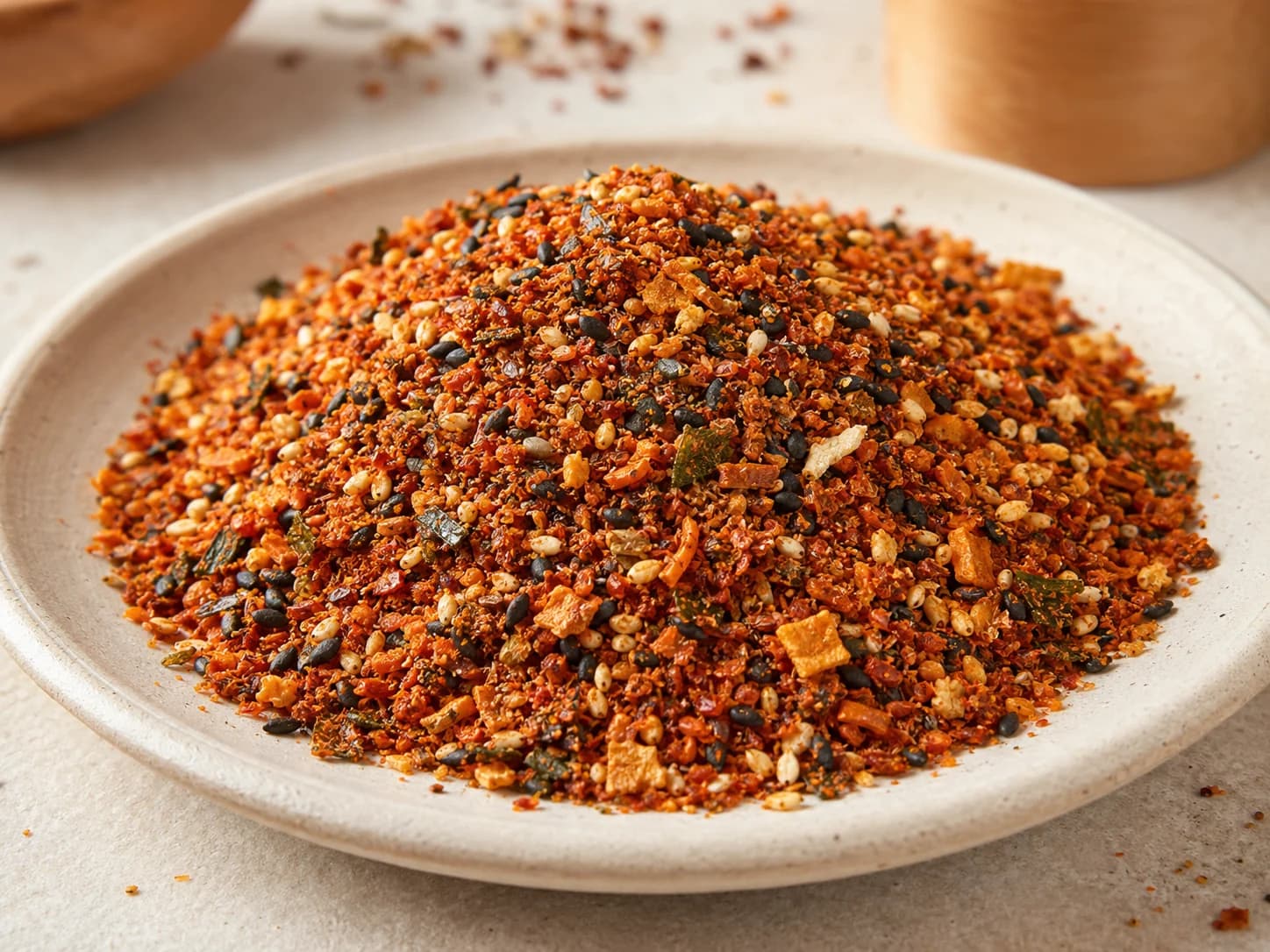
Understand Japanese seven spice, why formulas vary, common ingredients, allergen questions and foodservice uses before selecting a commercial blend.
Read guide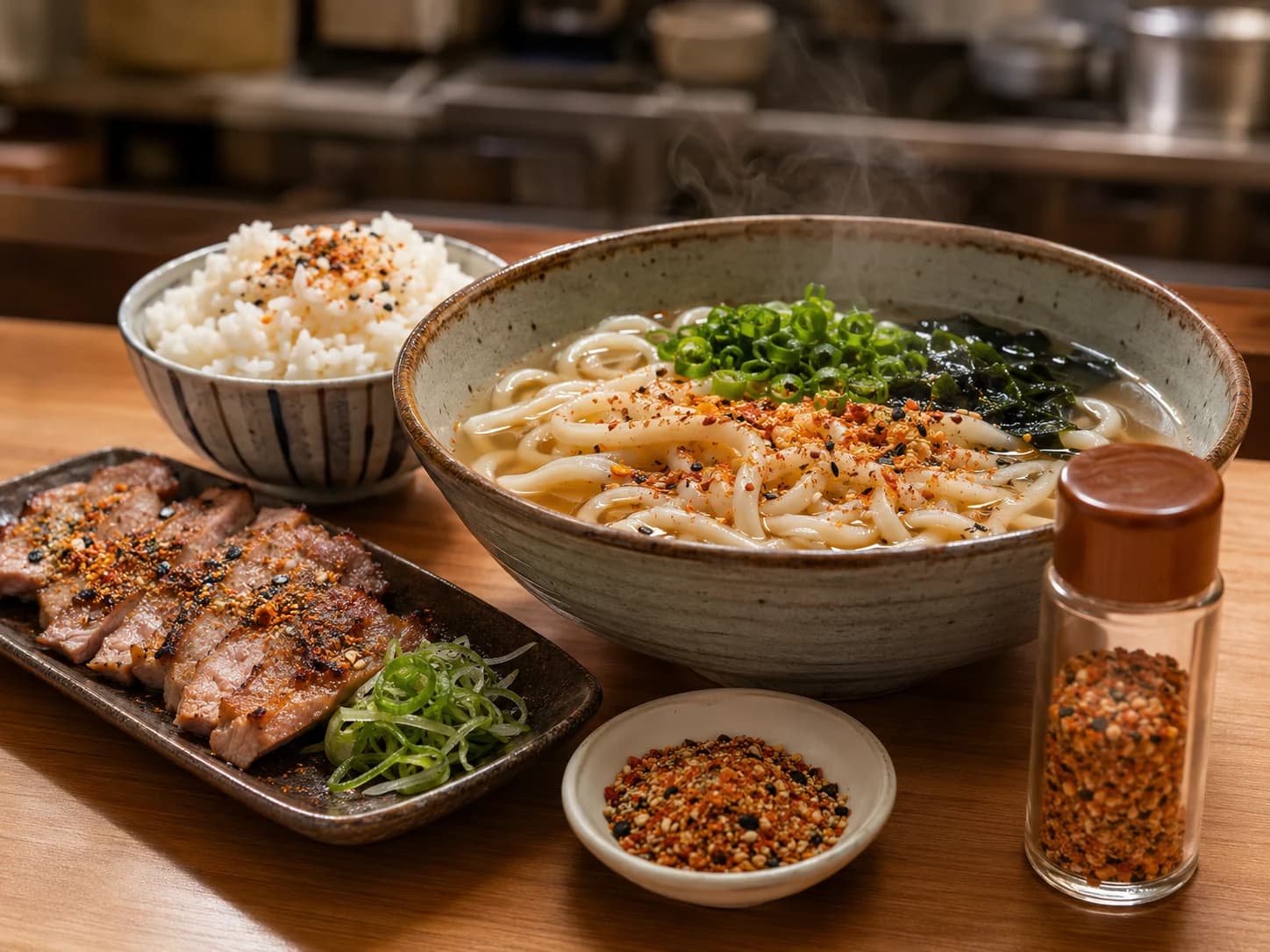
Compare Japanese seven spice with single-chilli Ichimi Togarashi by formula, heat, allergens, application and purchasing specification.
Read guide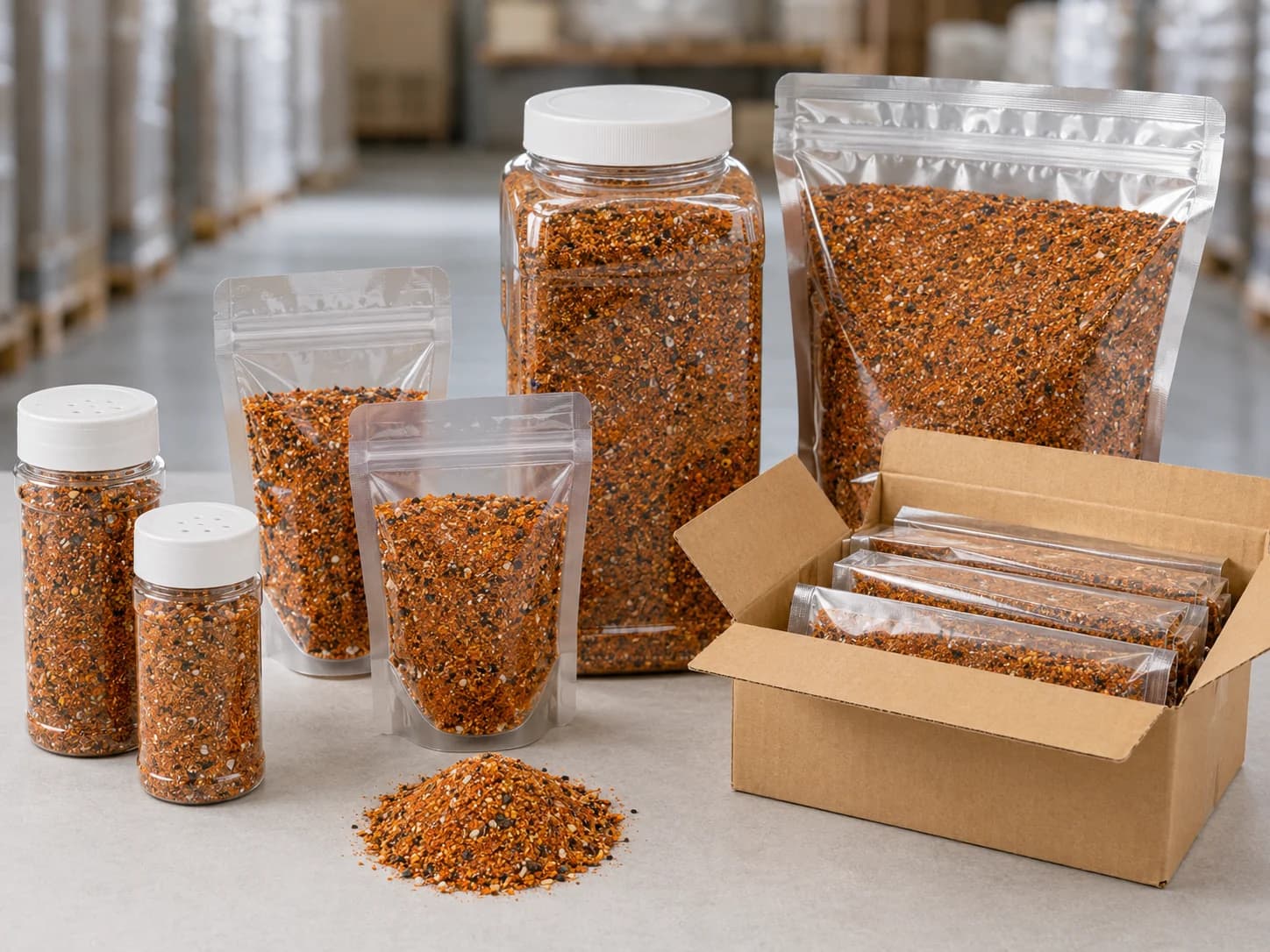
A procurement checklist for Shichimi formula, SHU, mesh, moisture, allergens, samples, bulk packing and private-label approval.
Read guide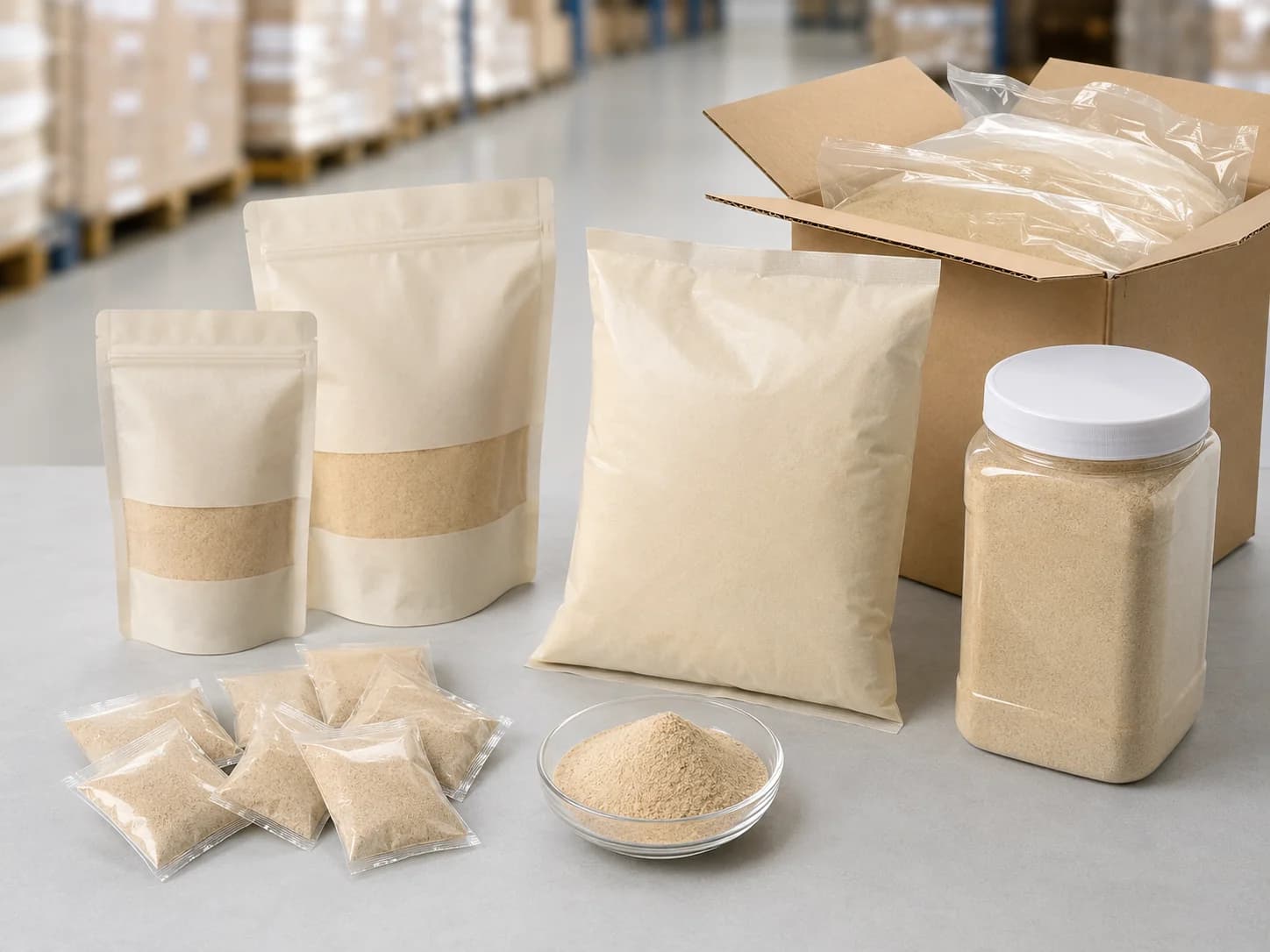
A B2B checklist for bonito formula, fish allergens, moisture, salinity, nutrition, 500 g packing, samples and private-label approval.
Read guide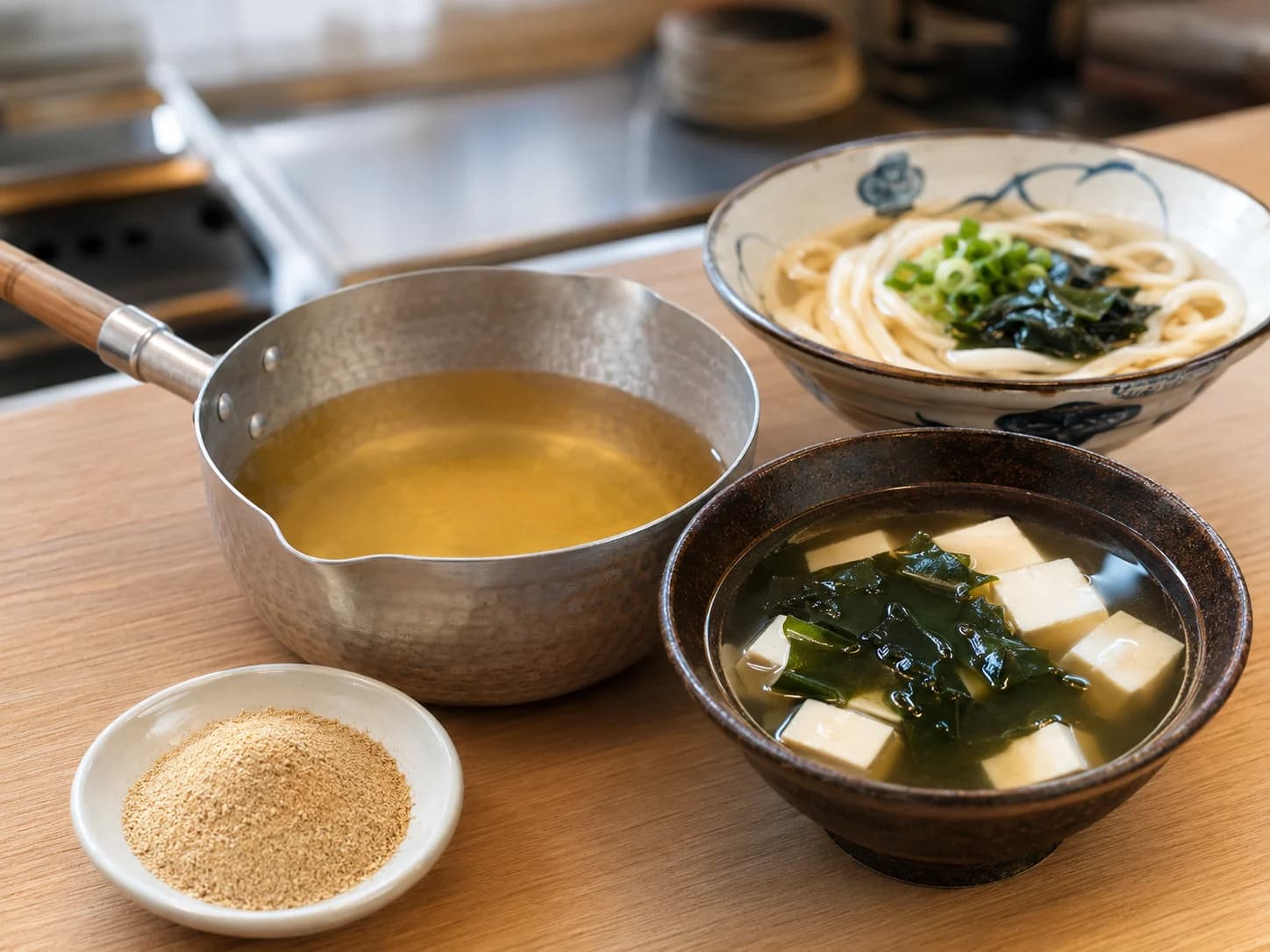
Compare compound bonito seasoning, dried katsuobushi and instant dashi powder by ingredients, flavour, kitchen use and purchasing specification.
Read guide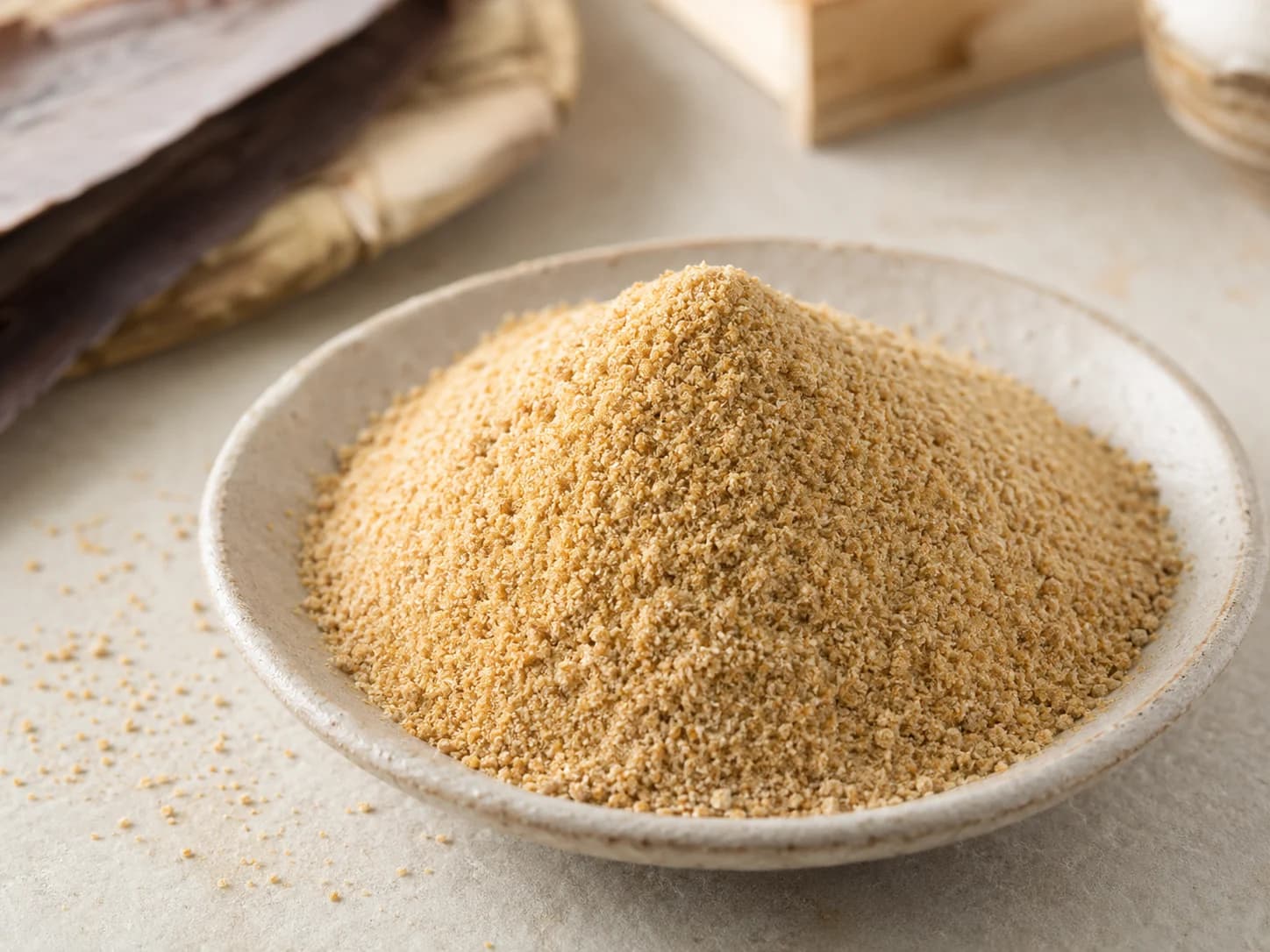
A buyer-focused review of compound bonito seasoning ingredients, fish allergens, sodium, nutrition data and label approval points.
Read guide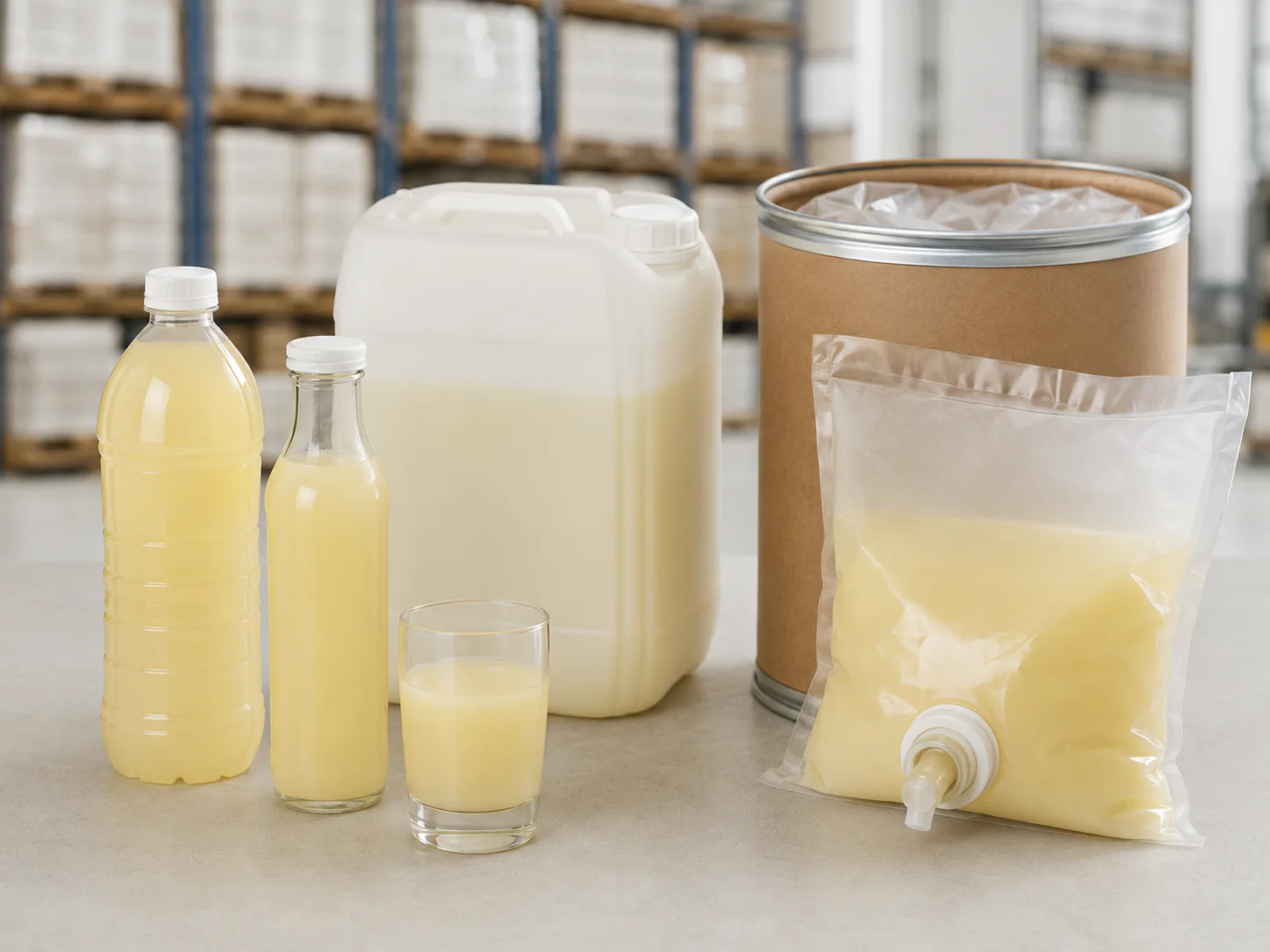
A B2B guide to lime identity, NFC versus concentrate, Brix, acidity, formula, bottled packing, shelf life, samples and private-label review.
Read guide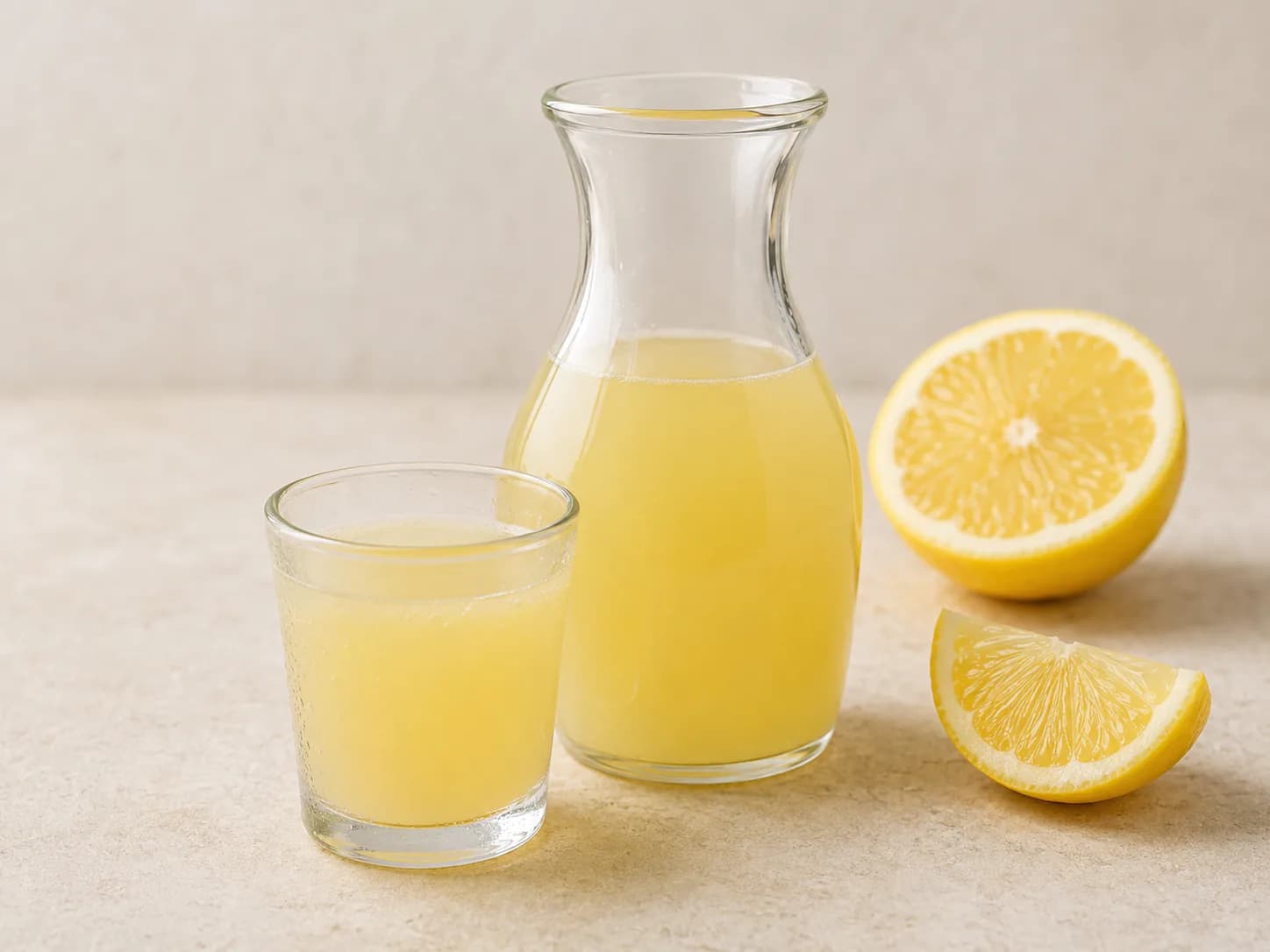
Learn how lime identity, Brix, titratable acidity, pH, fruit content, sensory quality and microbiology shape a buyer-ready lime juice specification.
Read guide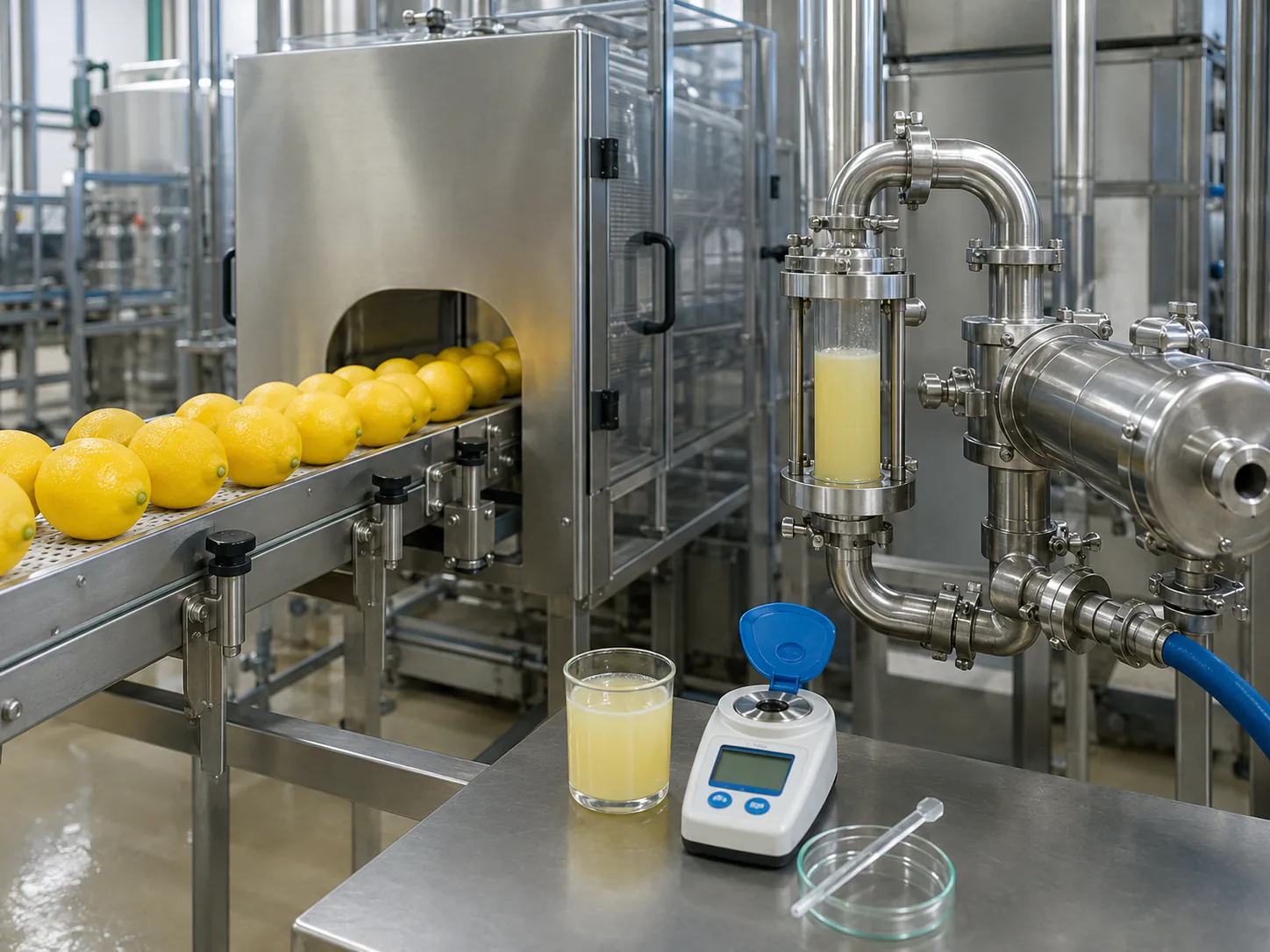
Plan bottled lime juice projects around formula approval, 0.97 L reference packs, closure and barrier choices, shelf life, artwork, MOQ and export documents.
Read guide
Questions importers can use to evaluate product scope, communication, documentation and shipment coordination.
Read guide
Understand fine chilli thread names, product form, applications and the specification differences buyers should verify before sourcing.
Read guide
A B2B guide to comparing thread dimensions, red colour, pungency, moisture, breakage and powder content using approved samples.
Read guide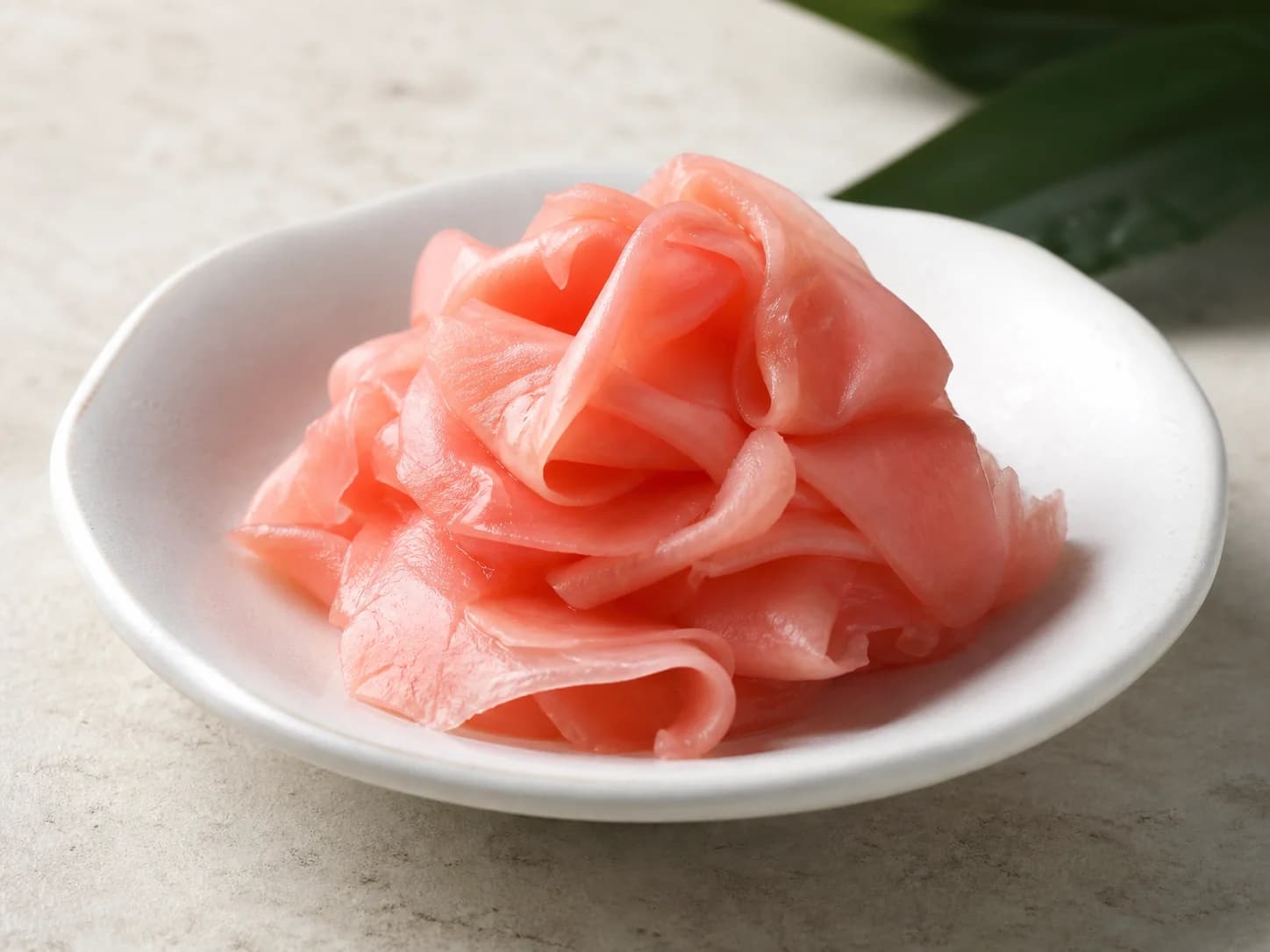
A practical B2B checklist for specifying pink or red gari by slice, colour source, flavour, drained yield, packaging and sample.
Read guide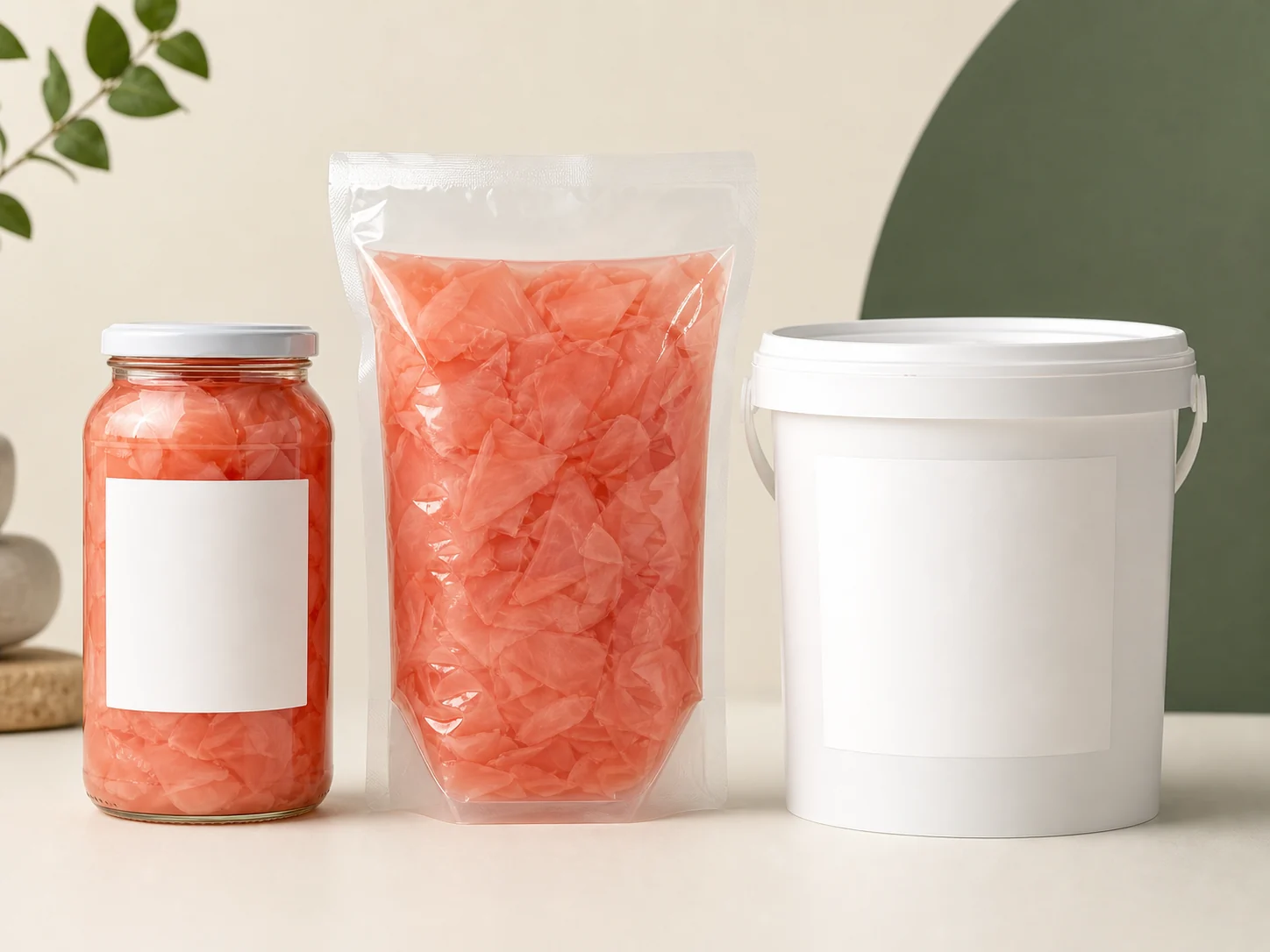
Learn what B2B buyers should verify about red gari colour sources, brine ingredients, additives and destination-market labels.
Read guideA practical B2B checklist for specifying white gari by slice, flavour, drained yield, packaging, shelf life and approved sample.
Read guide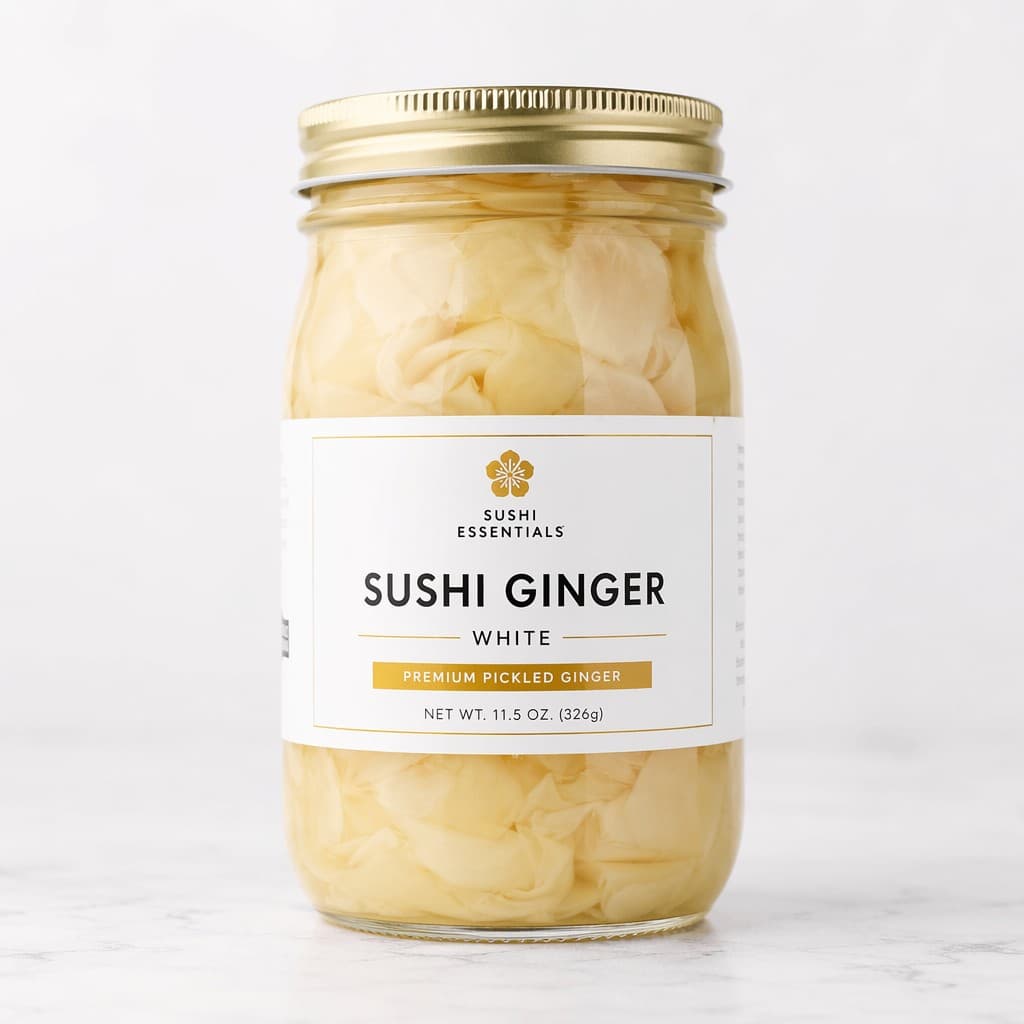
Learn how net weight, drained weight, brine ratio and pack format affect usable yield, restaurant costs and sushi ginger quotations.
Read guide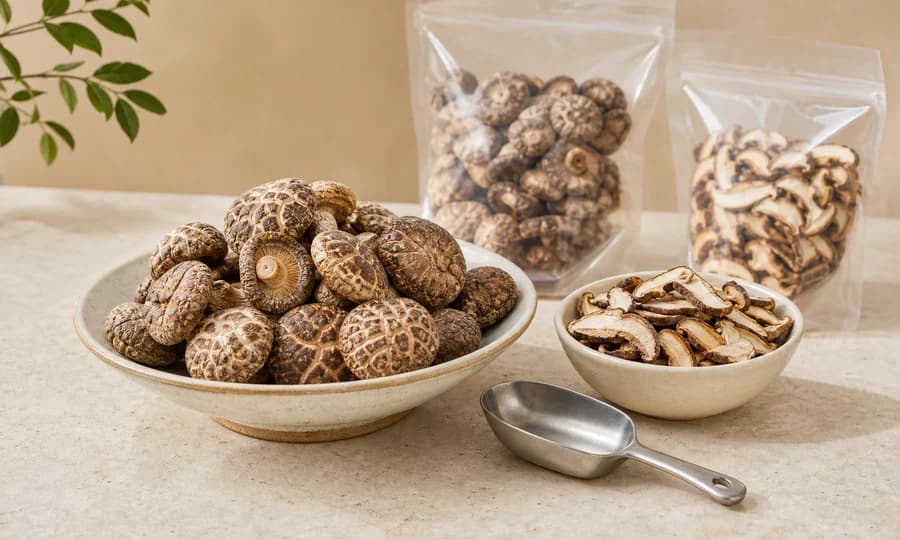
A B2B sourcing checklist covering whole and sliced forms, grade, cap size, moisture, packing, samples and approved specifications.
Read guide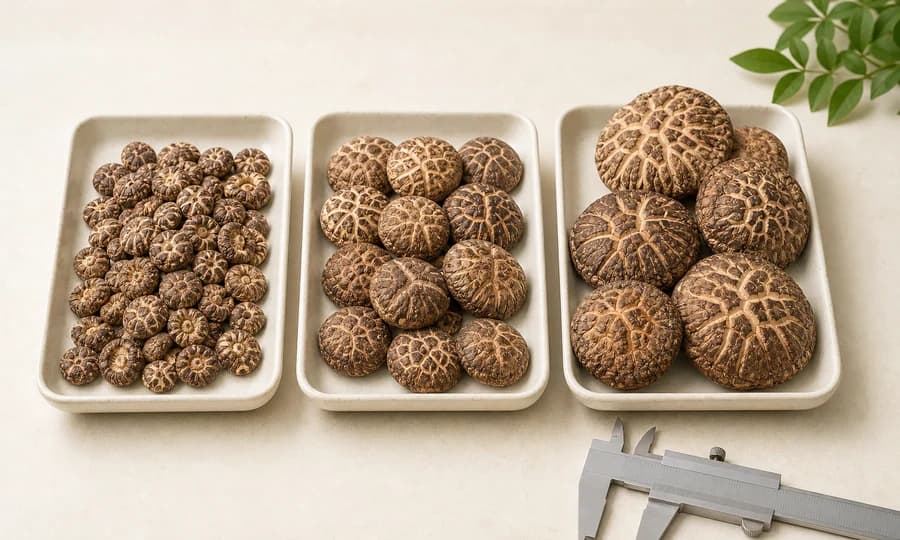
Learn how B2B buyers can compare grades, cap diameter, stem trimming, broken tolerance and approved samples before ordering dried shiitake mushrooms.
Read guide
Compare retail and foodservice packing, OEM review, moisture protection, carton planning and the information needed for a dried shiitake quotation.
Read guide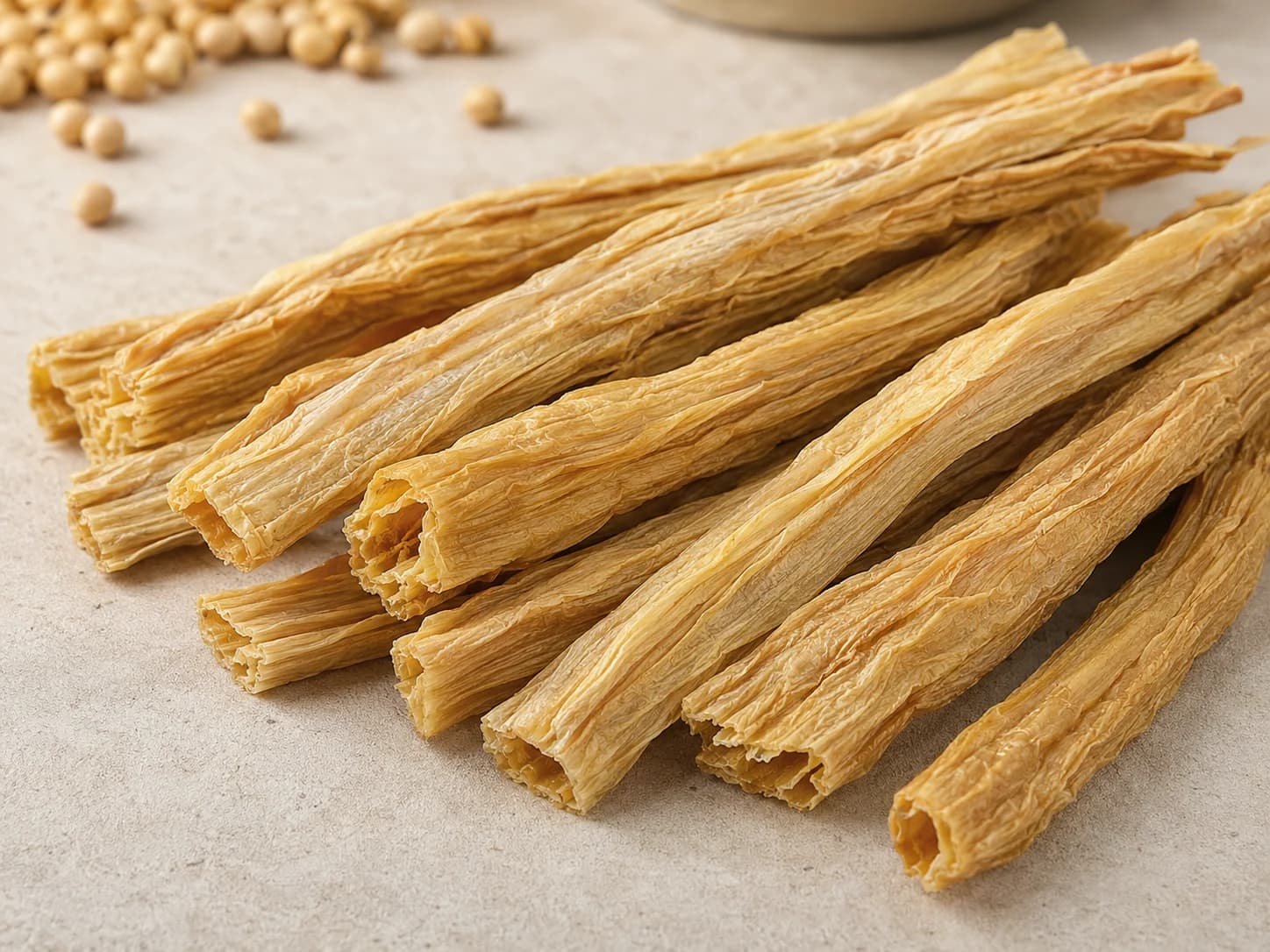
Understand how dried bean curd sticks are made, why yuba and fuzhu describe related products, and which details food buyers should specify.
Read guide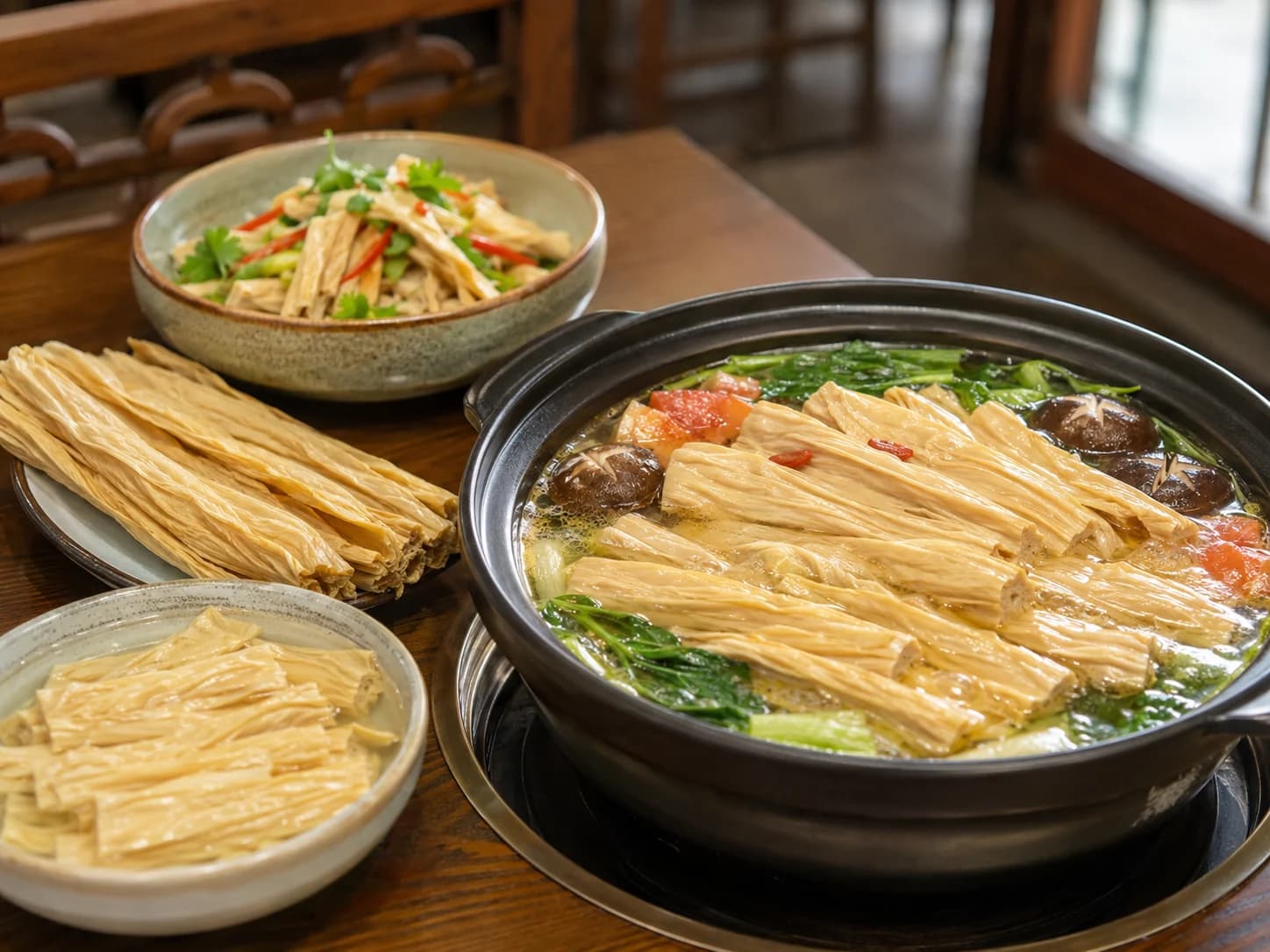
Use a repeatable soaking and cooking test to compare yuba stick softening, texture, breakage and sauce absorption for foodservice use.
Read guideCompare yuba sticks and tofu skin sheets by shape, preparation, menu application, packing and buyer specification.
Read guide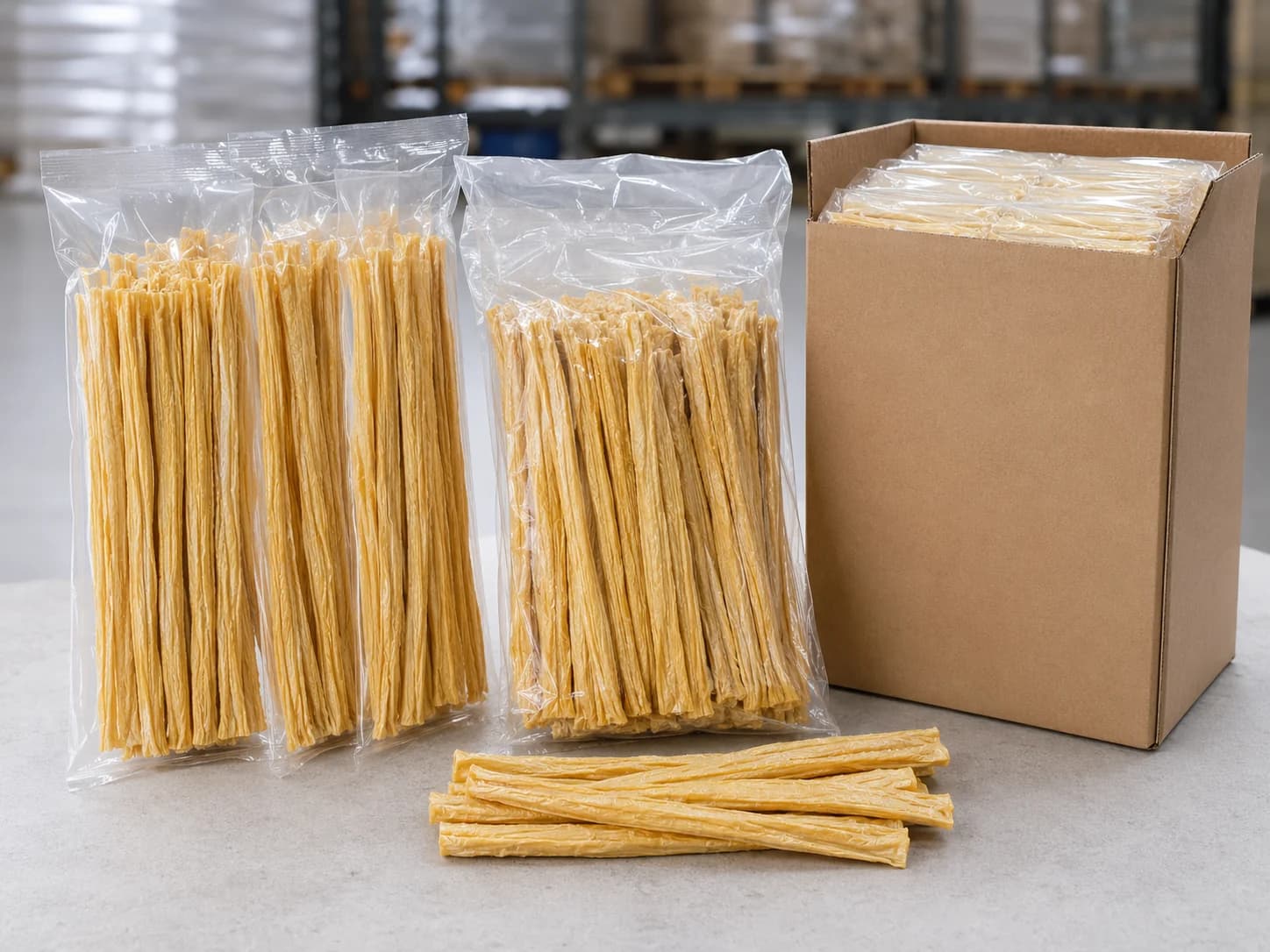
Review retail bag, export carton, shelf-life, private-label and MOQ details before sourcing dried yuba sticks.
Read guide
Understand the commercial differences between dried wakame and kelp before selecting a product for retail or foodservice.
Read guide
Compare storage, consolidation, documentation and freight planning for shelf-stable and IQF frozen products.
Read guide
A non-exhaustive planning guide to product, commercial and shipment documents that buyers may need to review.
Read guide
A step-by-step framework for feasibility, samples, packaging, artwork, approvals and production.
Read guide
Plan the flavor brief, packaging, labels, samples and approval milestones for a private-label sauce project.
Read guide
Compare pack priorities, usable yield, labels, handling and logistics for retail and professional kitchen channels.
Read guide
Build a practical ingredient list, compare formats and coordinate complementary products for restaurants or distribution.
Read guide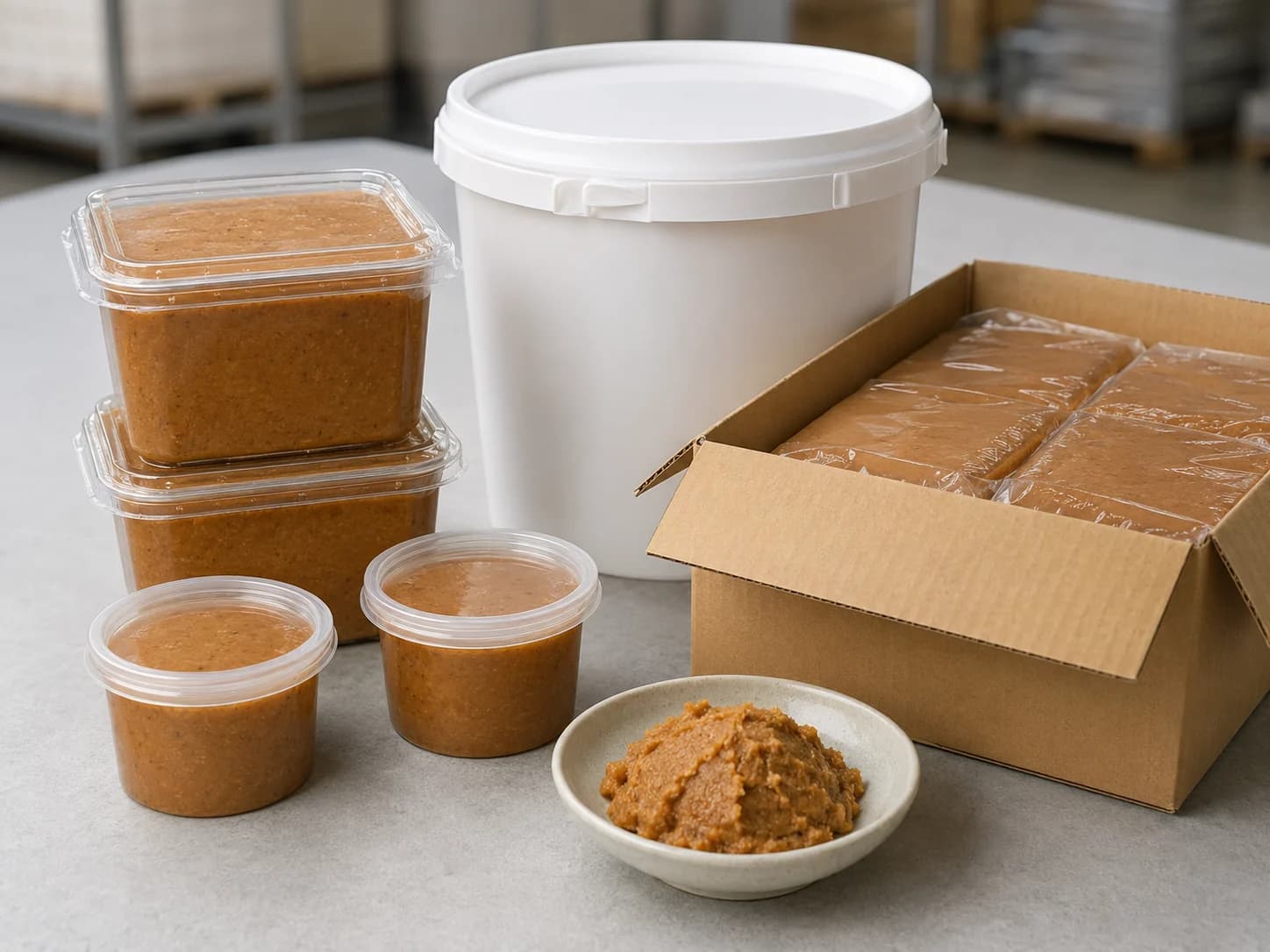
A buyer-focused guide to miso types, ingredients, allergens, 1 kg packaging, shelf life, samples, OEM review and export documentation.
Read guide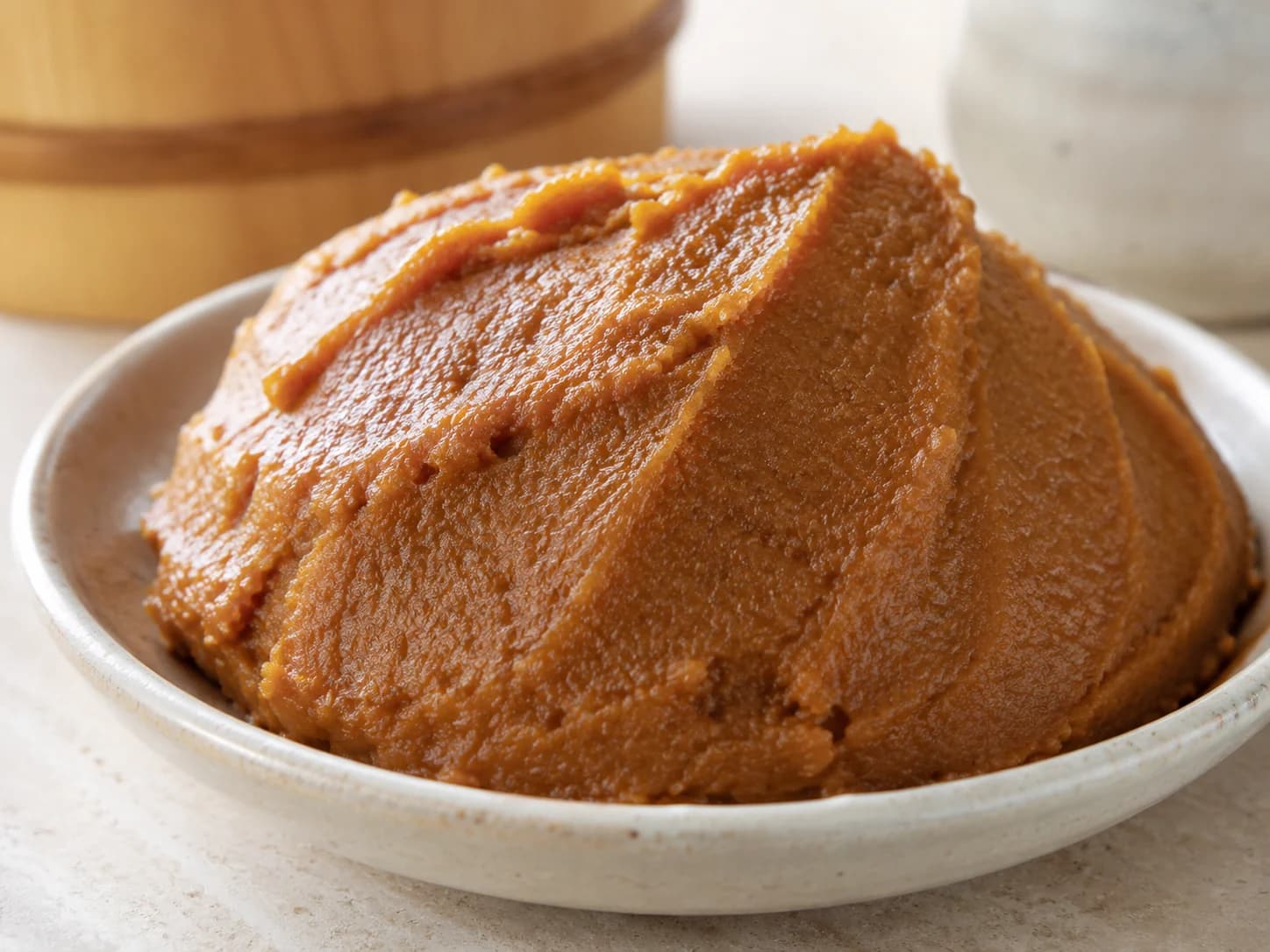
Compare commercial miso styles by colour, flavour, salt intensity, texture, kitchen application and the specifications buyers should approve.
Read guide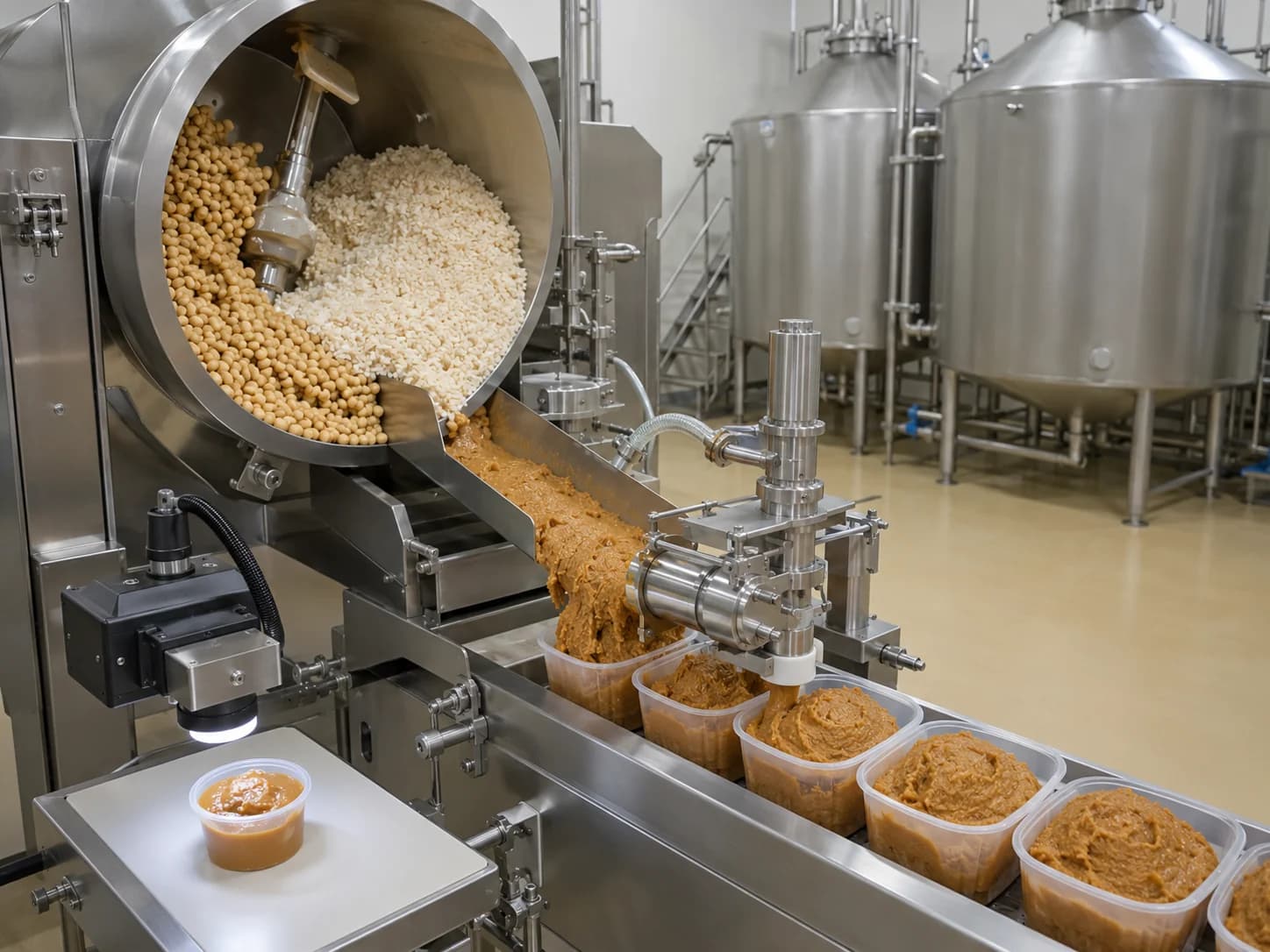
Understand soybean and koji ingredients, soy and possible fish allergens, alcohol declarations, unopened storage and refrigeration after opening.
Read guide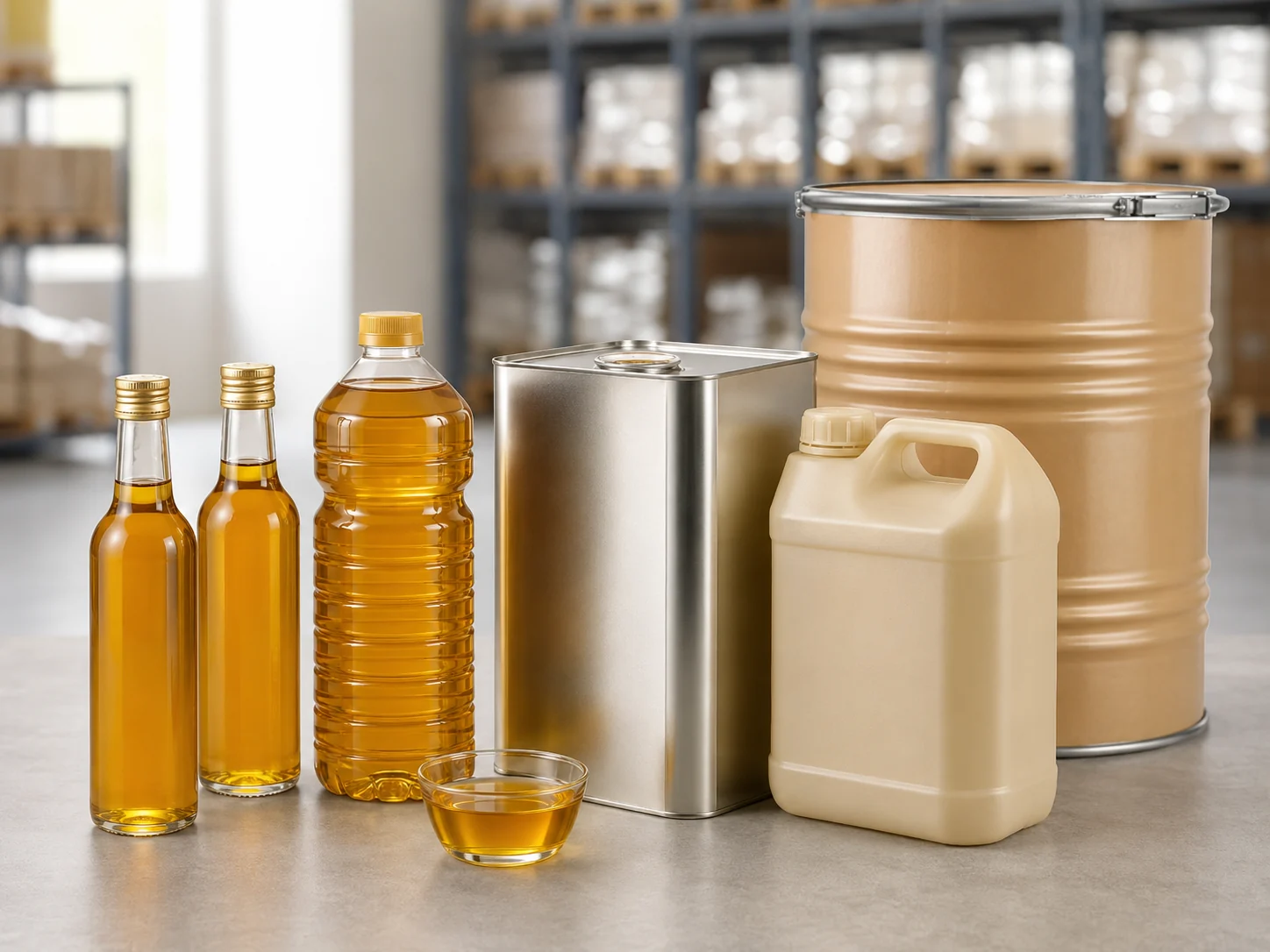
A buyer-focused guide to oil percentages, sensory samples, allergens, 1.8 L packaging, shelf life, custom labels and export documentation.
Read guide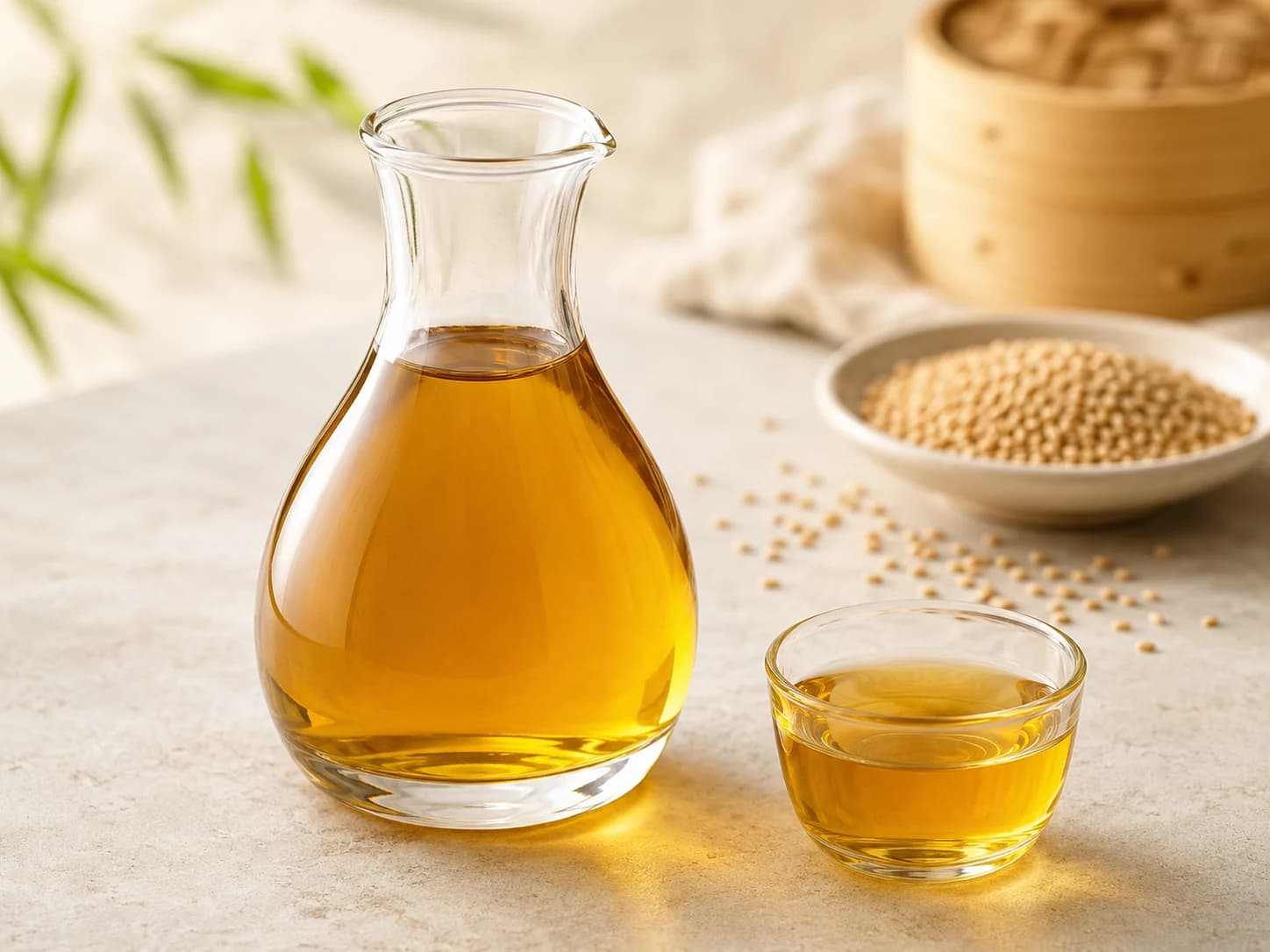
Learn how to compare soybean and sesame oil percentages, sensory strength, kitchen dosage, allergens and sample approval for foodservice supply.
Read guidePlan 1.8 L foodservice bottles, six-bottle cartons, seals, artwork, allergen wording, shelf-life data and OEM approvals for blended sesame oil.
Read guide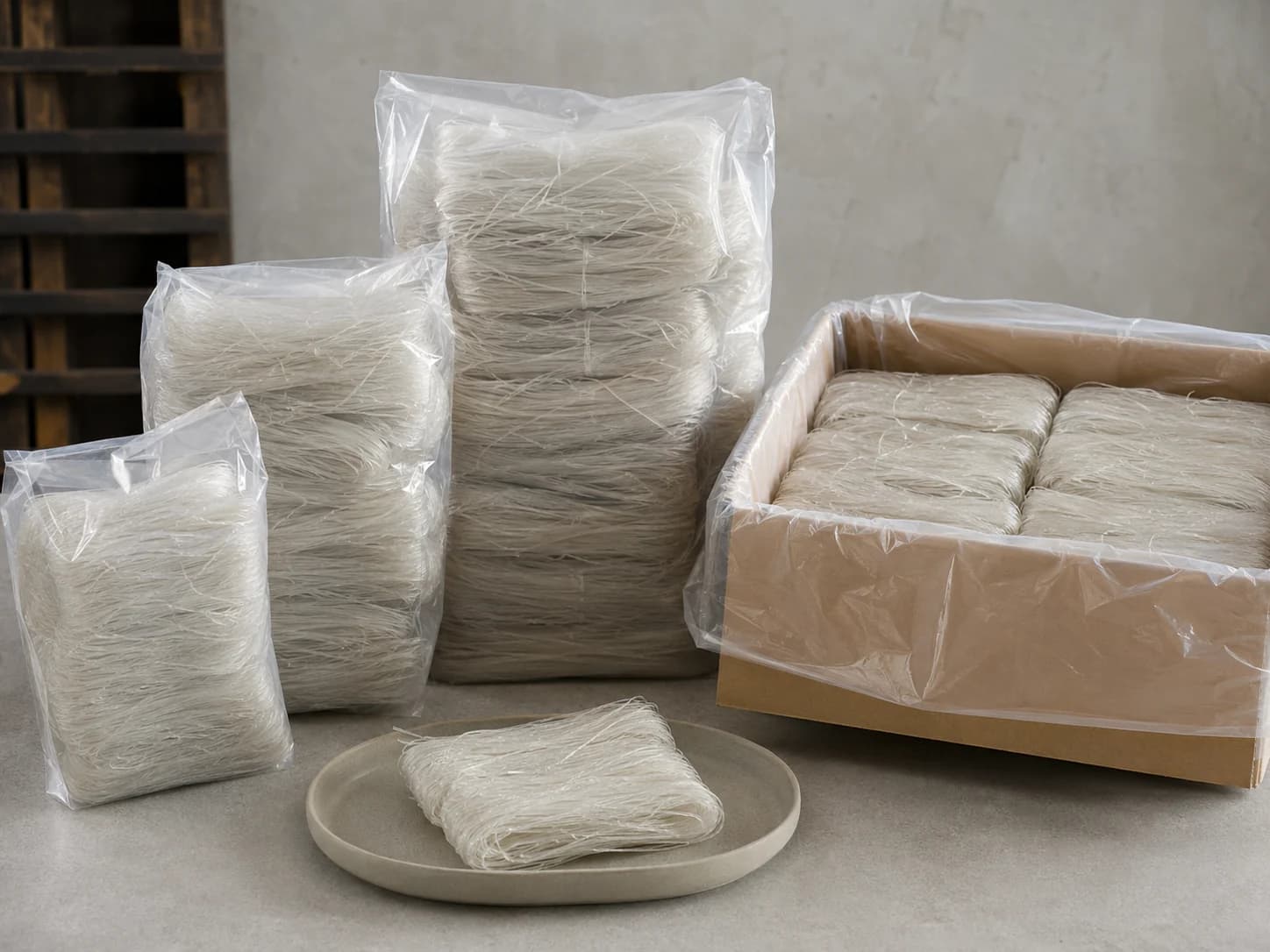
A buyer guide to mung bean terminology, starch formula, strand quality, cooking tests, 50 g to 500 g packs, shelf life, OEM and documents.
Read guide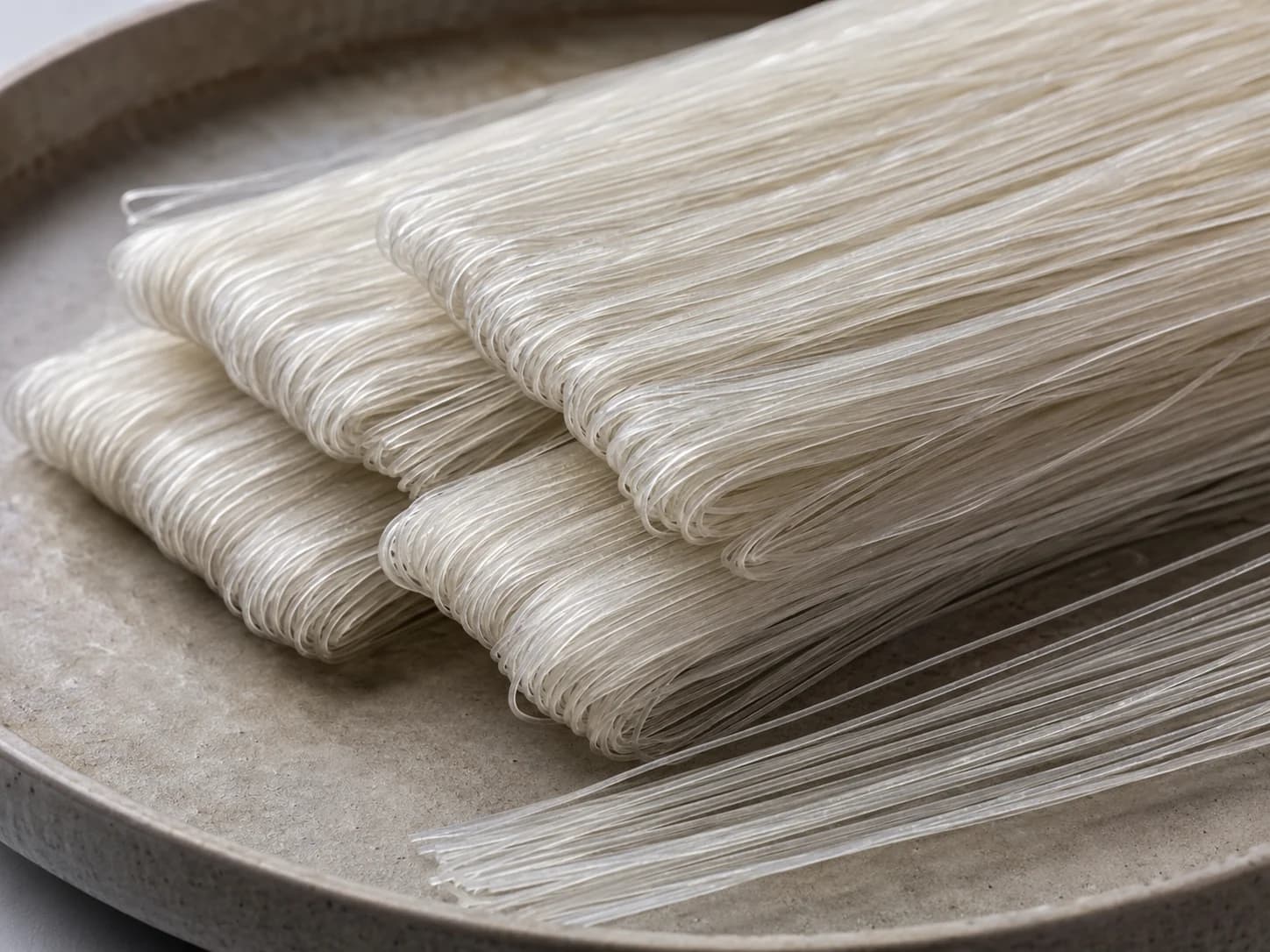
Compare ingredient terminology, transparency, texture, cooking performance and label controls when sourcing mung bean or mixed-starch glass noodles.
Read guide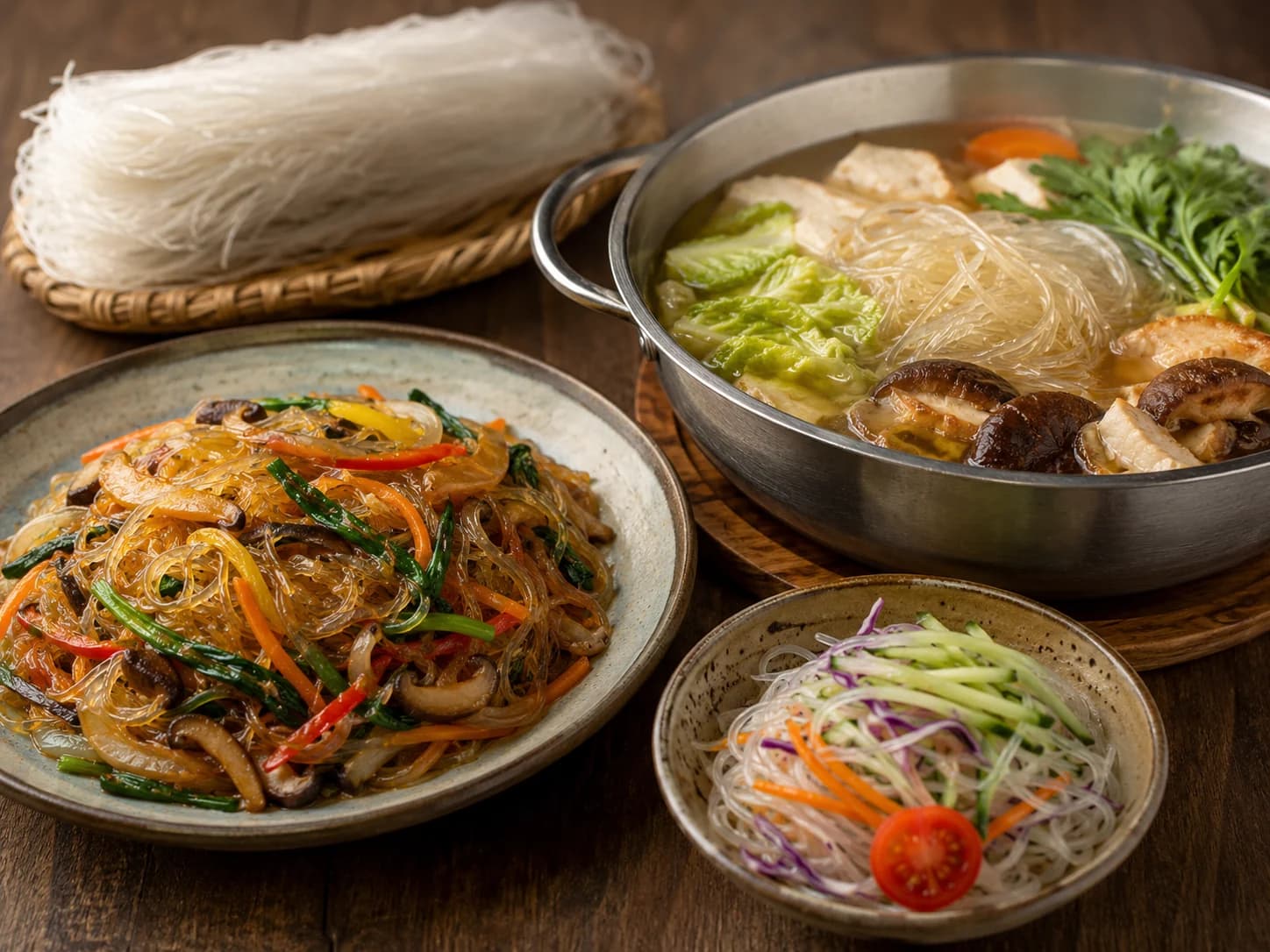
Plan retail bag sizes, carton configurations, moisture protection, soaking instructions and cooking tests for Longkou vermicelli programs.
Read guide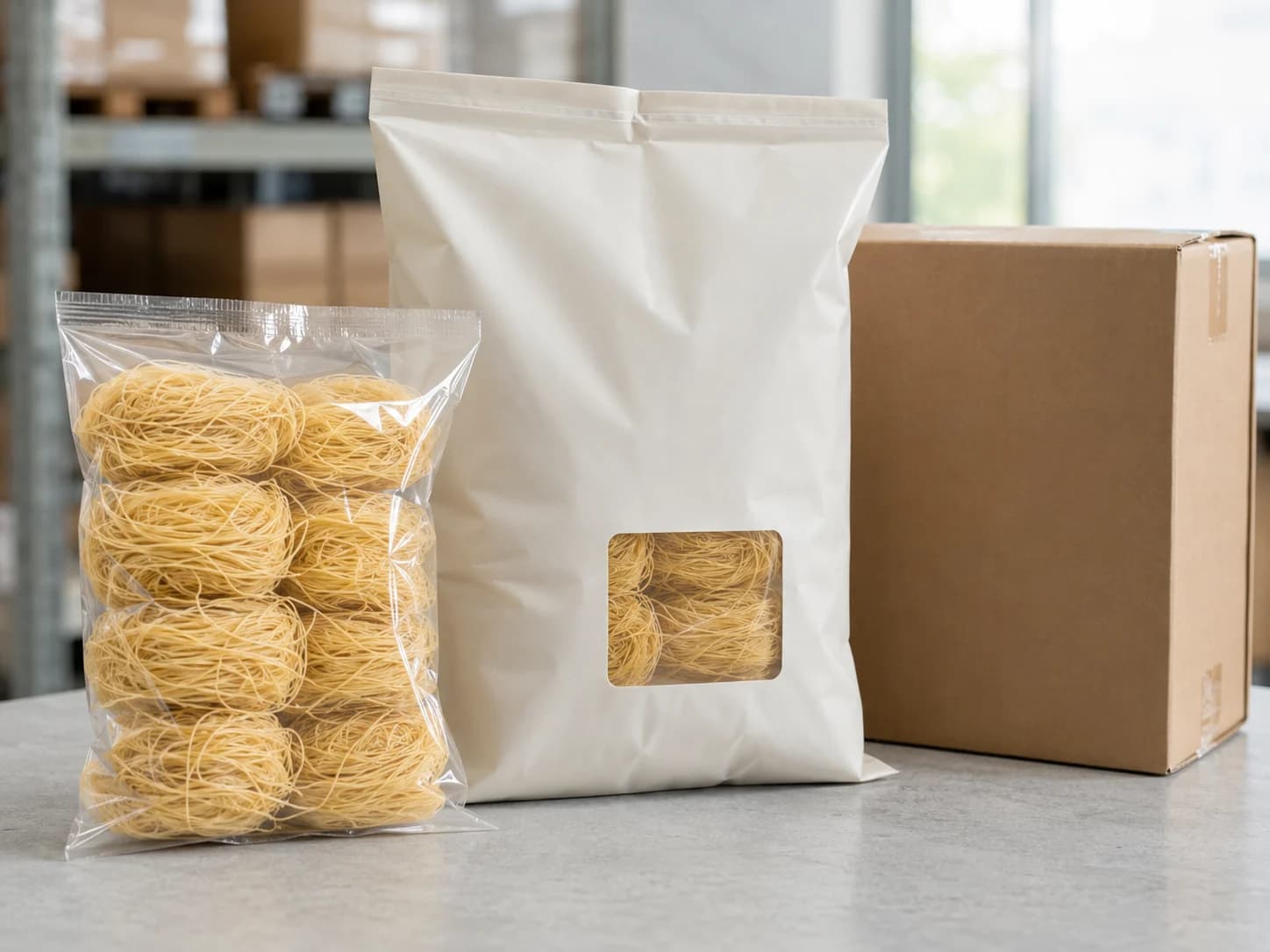
A buyer guide to noodle form, wheat and egg formula, allergens, cooking tests, 220 g and 400 g packs, private label and export documents.
Read guide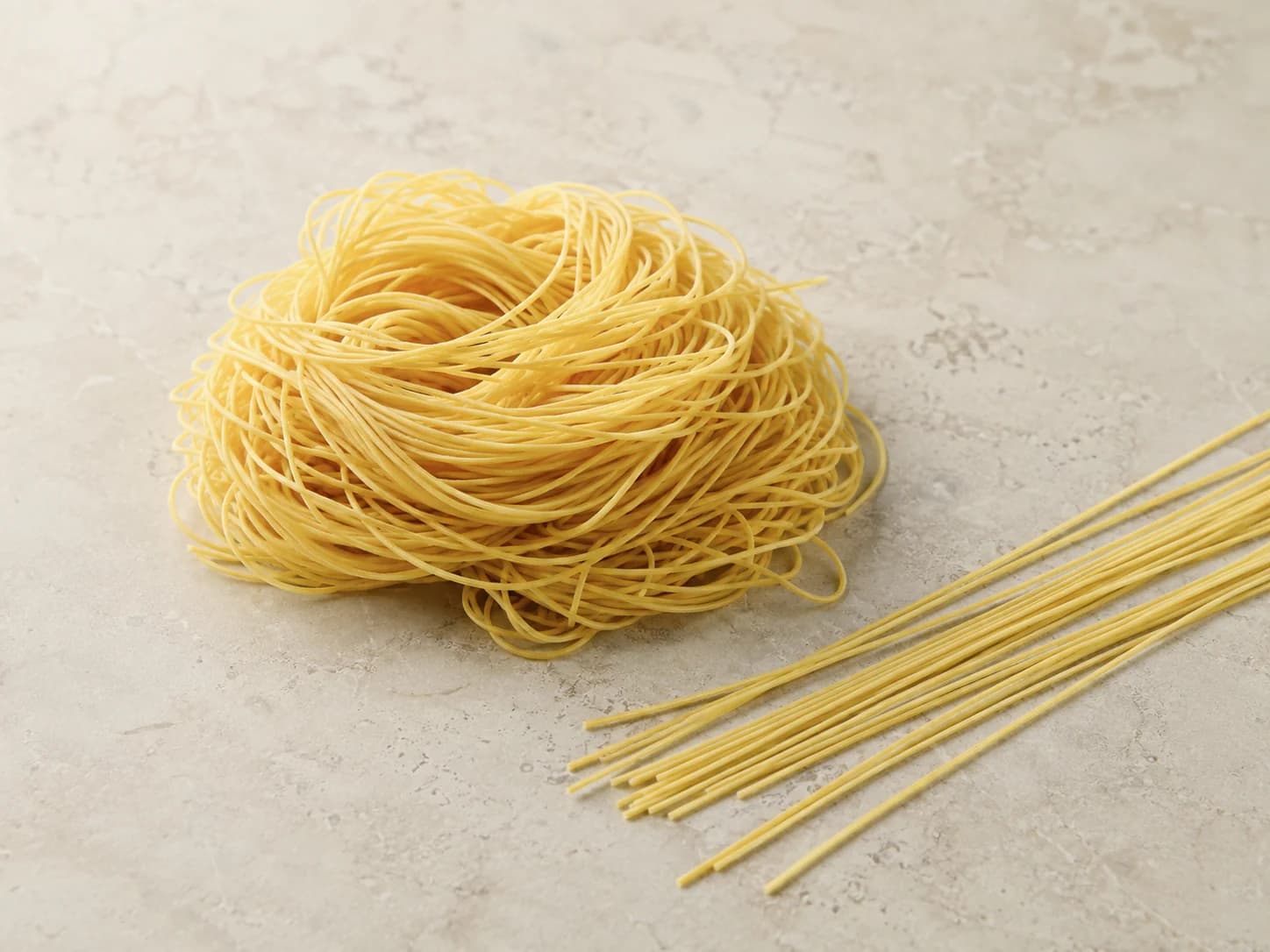
Learn how to verify wheat flour, egg ingredients, gluten status, additive declarations and compliant claims before buying dried egg noodles.
Read guide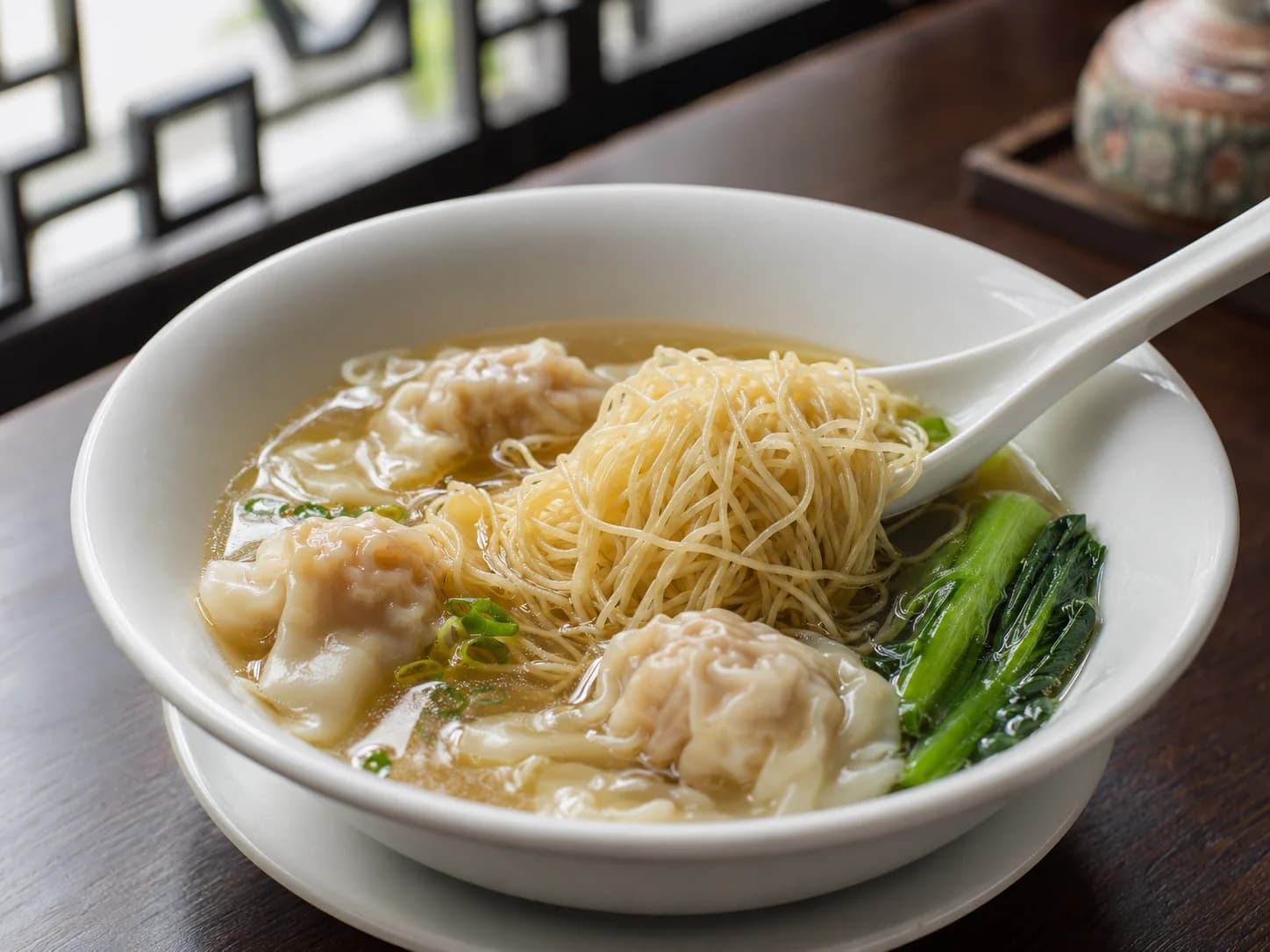
Compare retail and foodservice packs and build a cooking test for fine strands or ruffled egg noodle sheets before commercial approval.
Read guide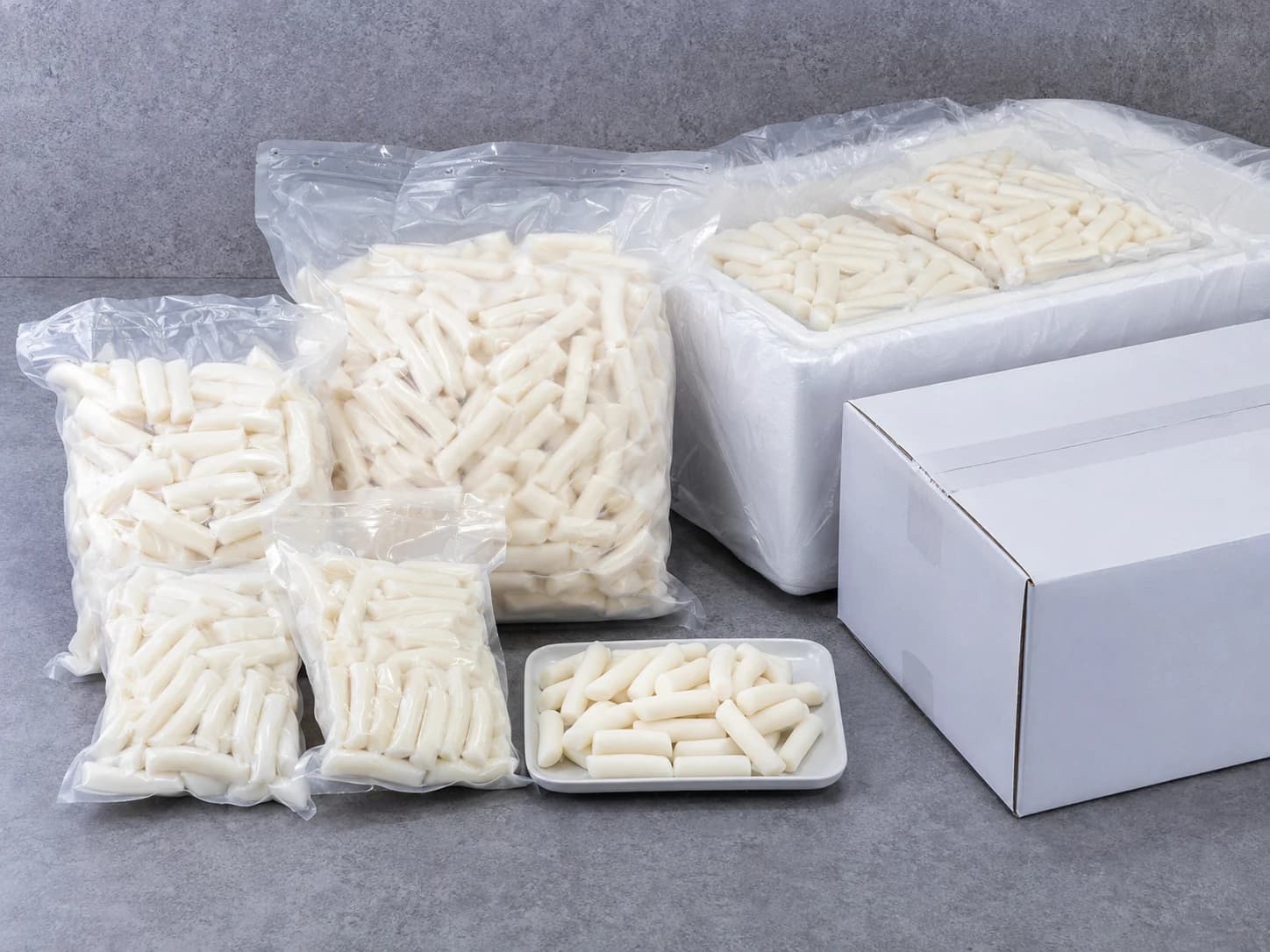
A procurement guide to tteokbokki stick formula, rice or starch identity, dimensions, cooking tests, 270 g packs, storage and OEM review.
Read guide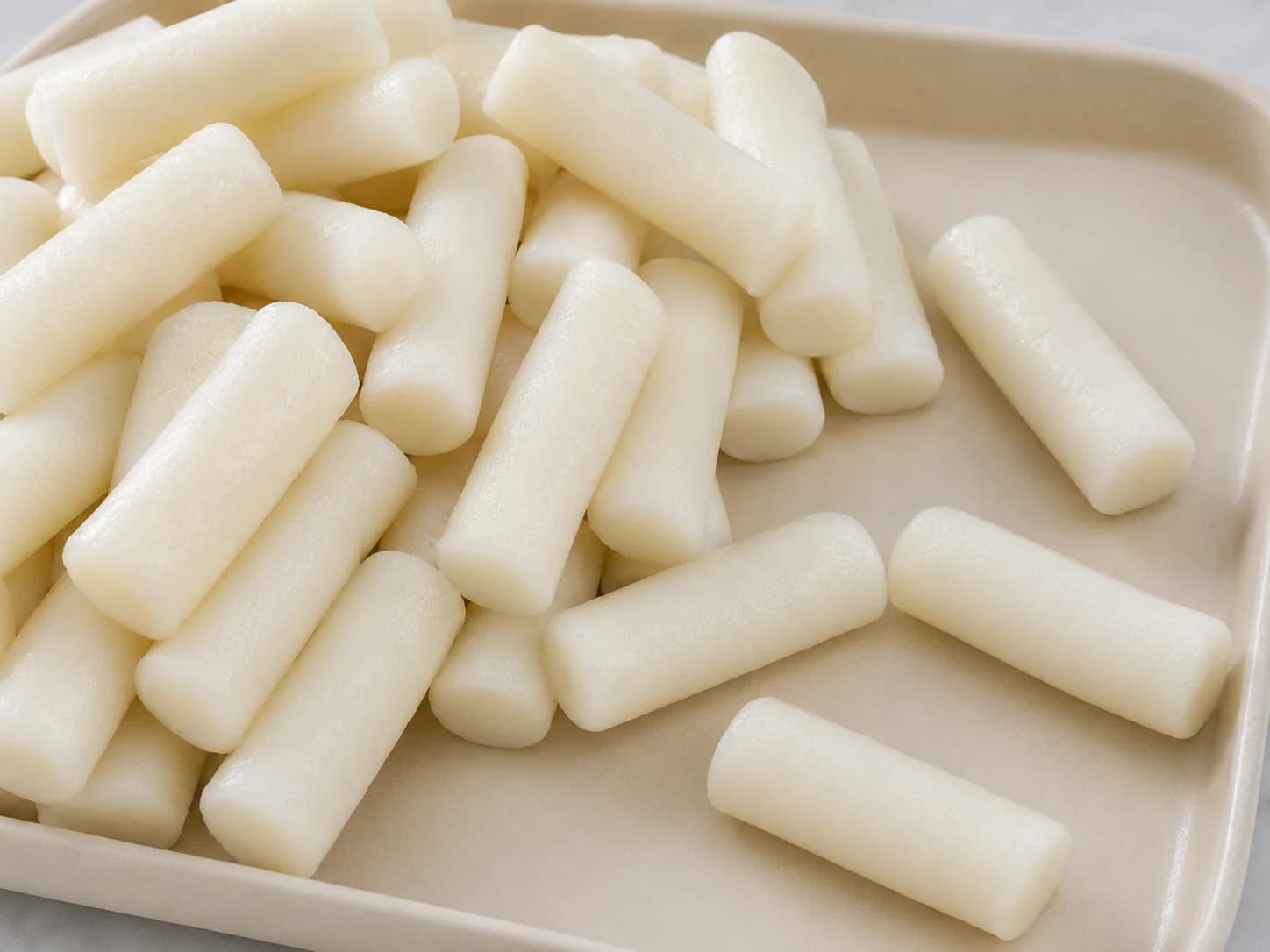
Learn why tteokbokki sticks may use different rice or starch formulas and how buyers should approve ingredients, additives, allergens and product names.
Read guide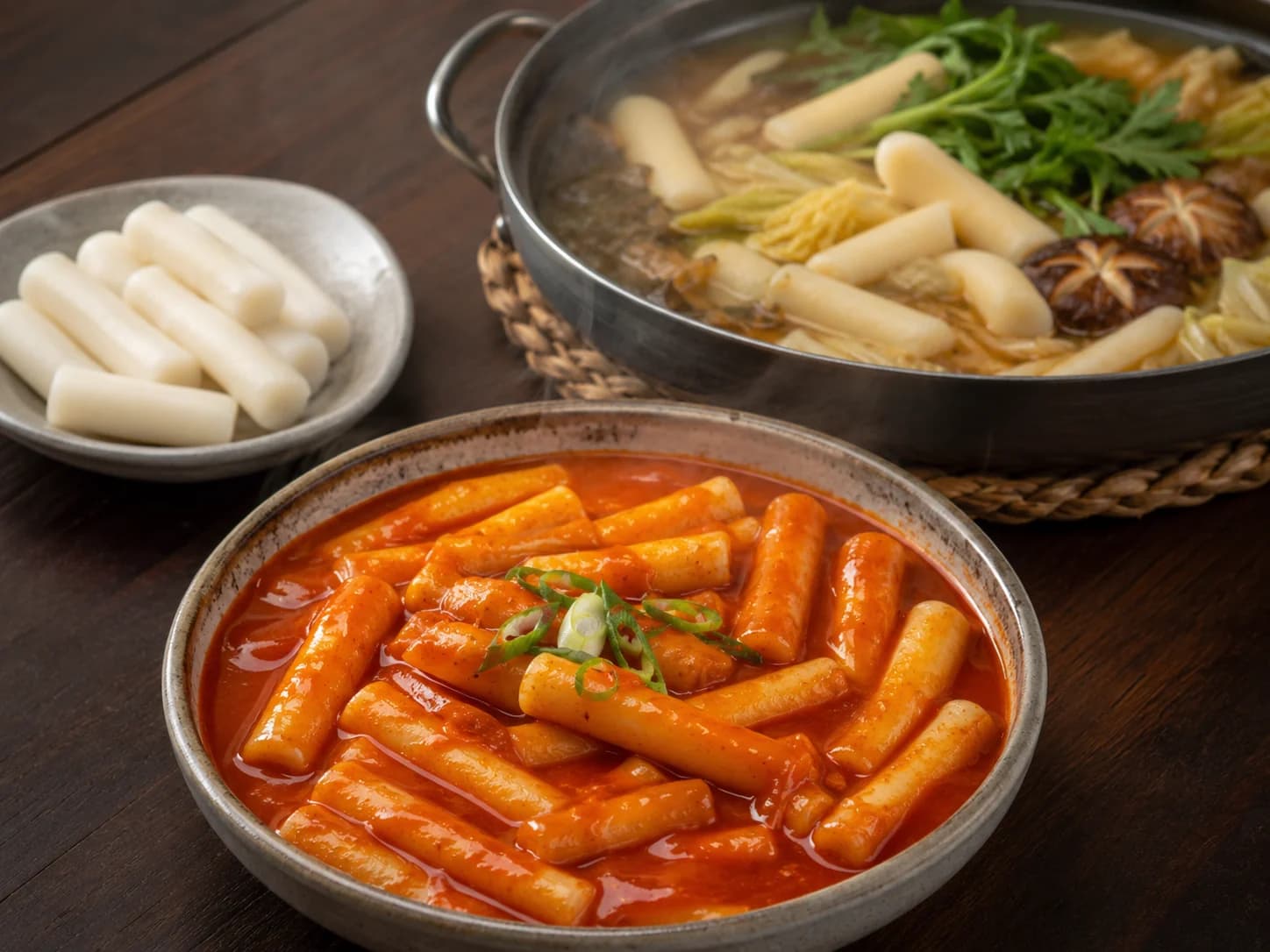
Build a reliable 270 g retail or foodservice program by validating stick dimensions, cooking performance, storage, shelf life and carton data.
Read guide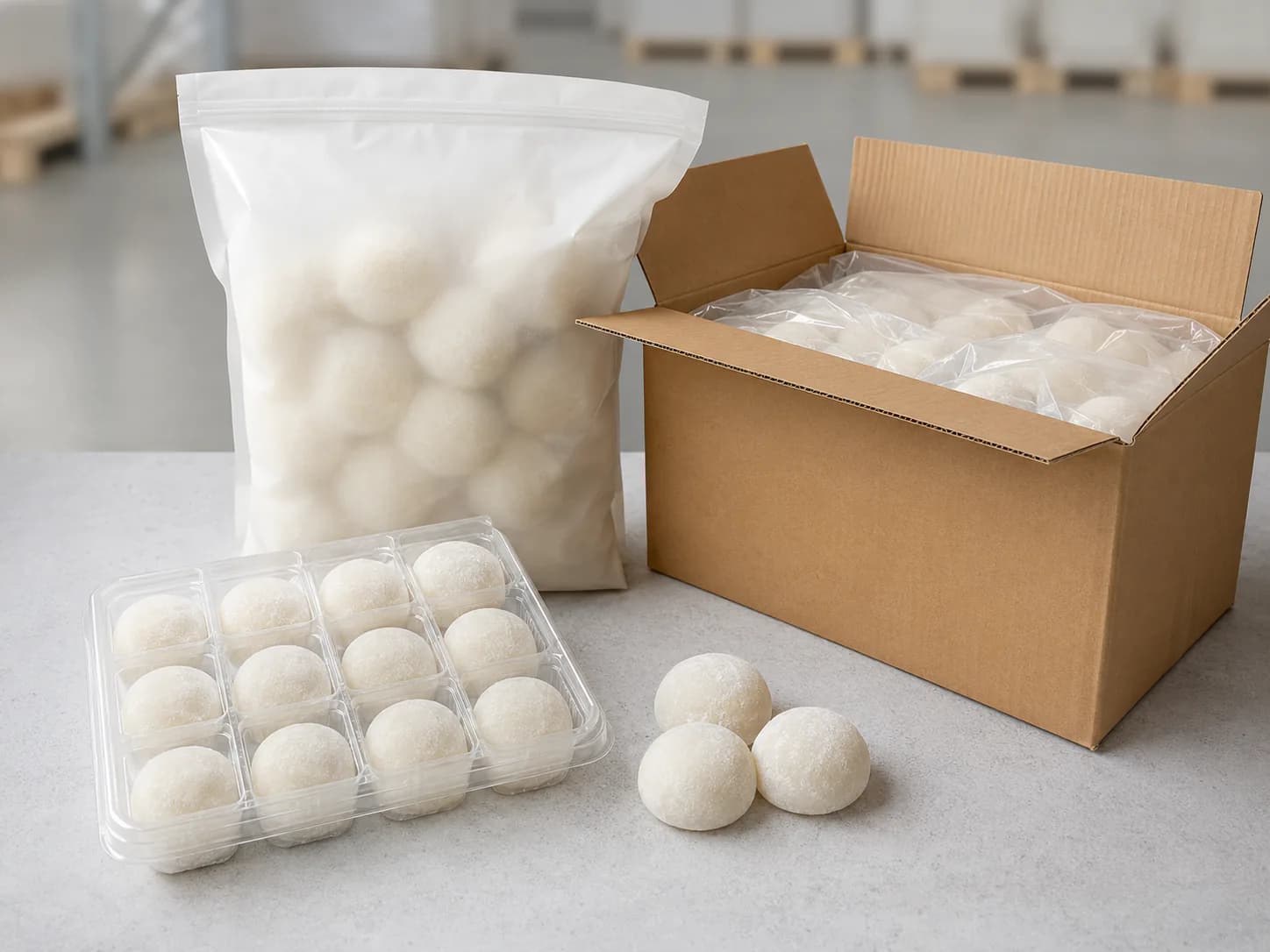
A buyer guide to mochi wrapper and filling formulas, allergens, 180 g bags, 36-piece boxes, storage, shelf life, samples and private label.
Read guide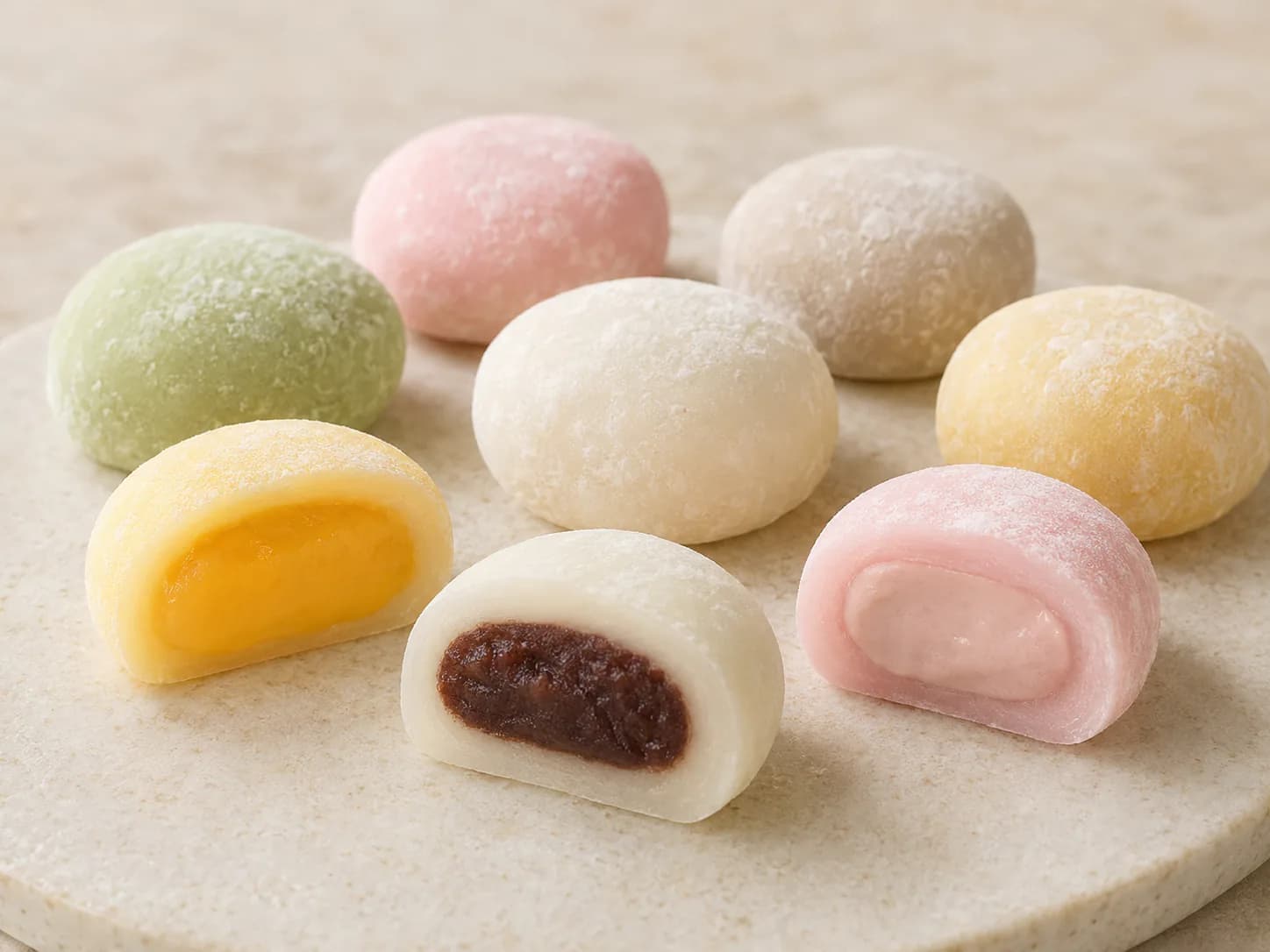
Understand why ice-skin mochi and ice-cream mochi are not interchangeable and how storage, thawing, shelf life and logistics affect procurement.
Read guide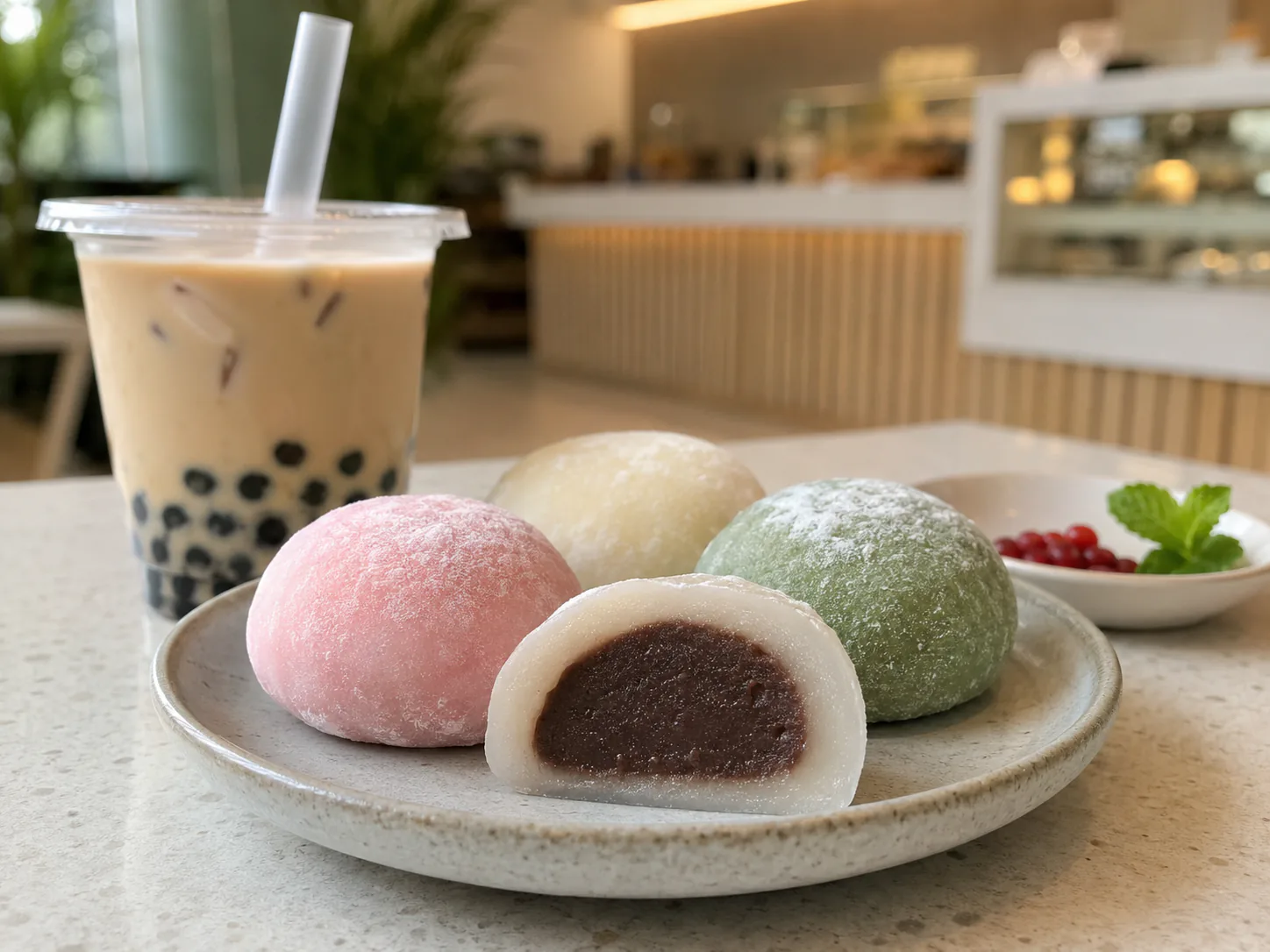
Plan filled mochi flavours, piece counts, 180 g retail packs, 36-piece boxes, allergens, artwork and approval stages for private-label programs.
Read guide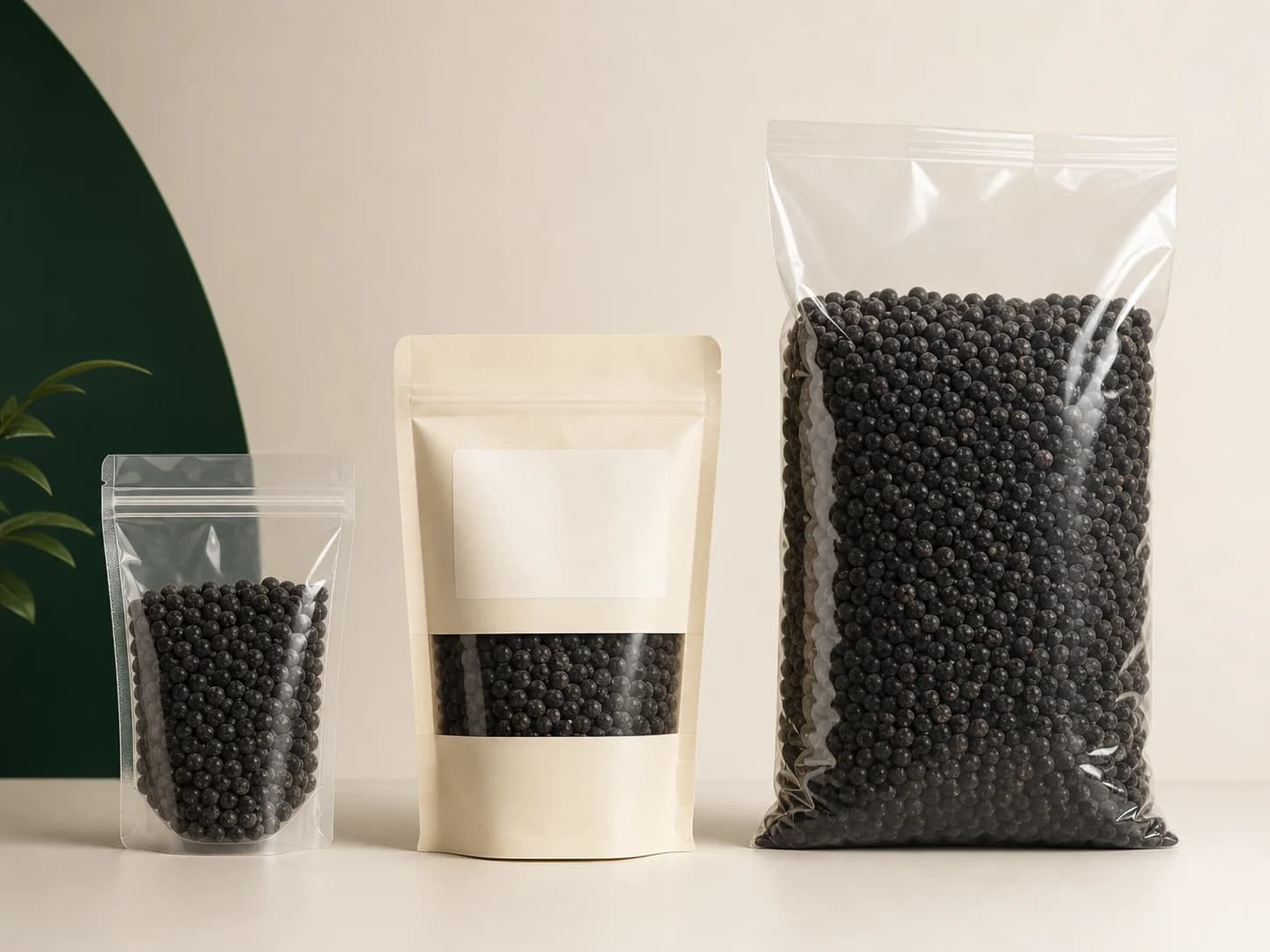
A buyer guide to boba formula, pearl size, cooking yield, 900 g bags, 20-bag cartons, six-month shelf life, certificates and OEM review.
Read guide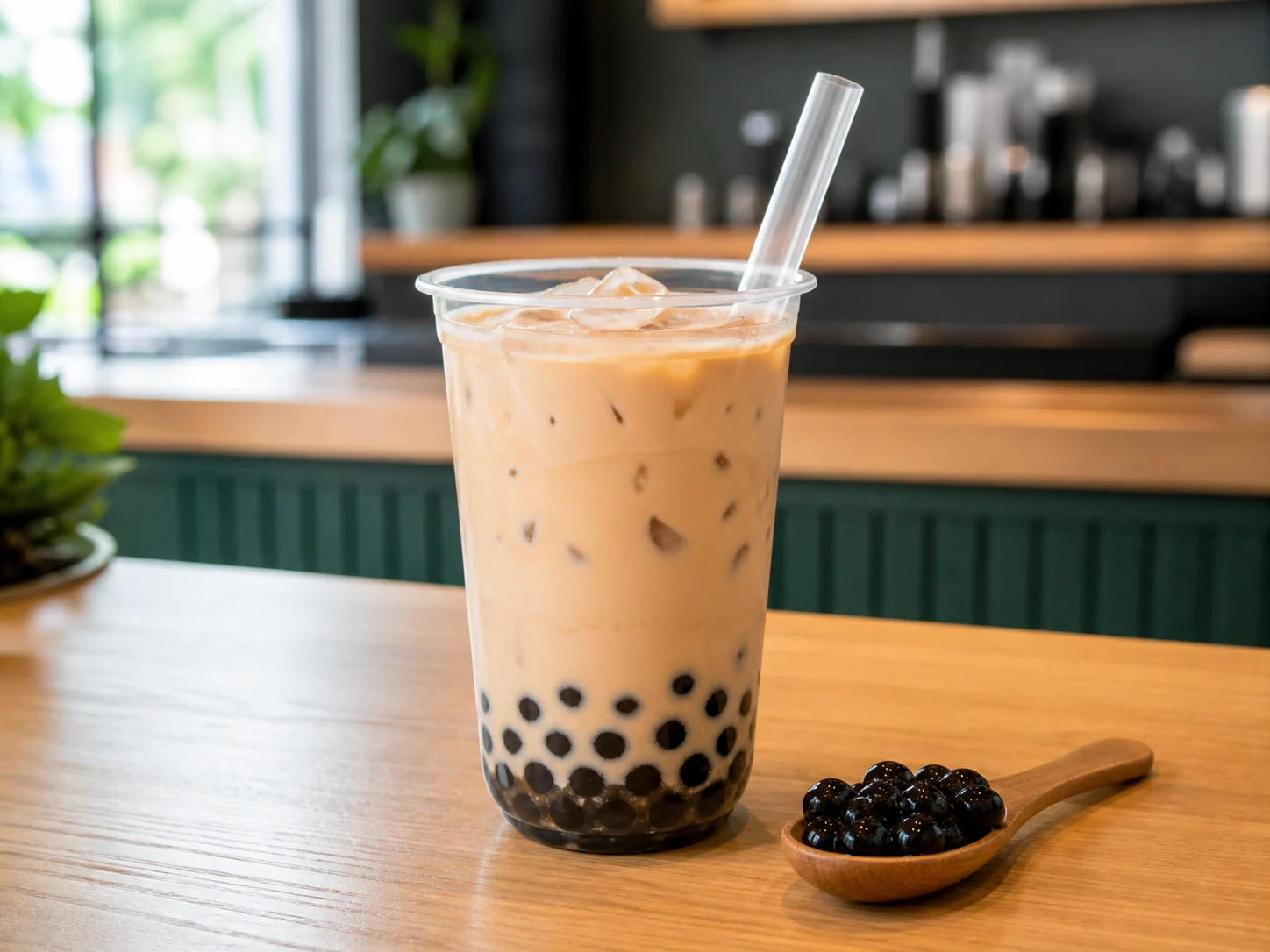
Learn how water ratio, boiling, resting, rinsing, sweetening and holding affect boba yield, chewiness and foodservice performance.
Read guide
Plan moisture-barrier bags, 900 g foodservice packs, carton data, six-month shelf life, certificates, artwork and private-label boba approvals.
Read guide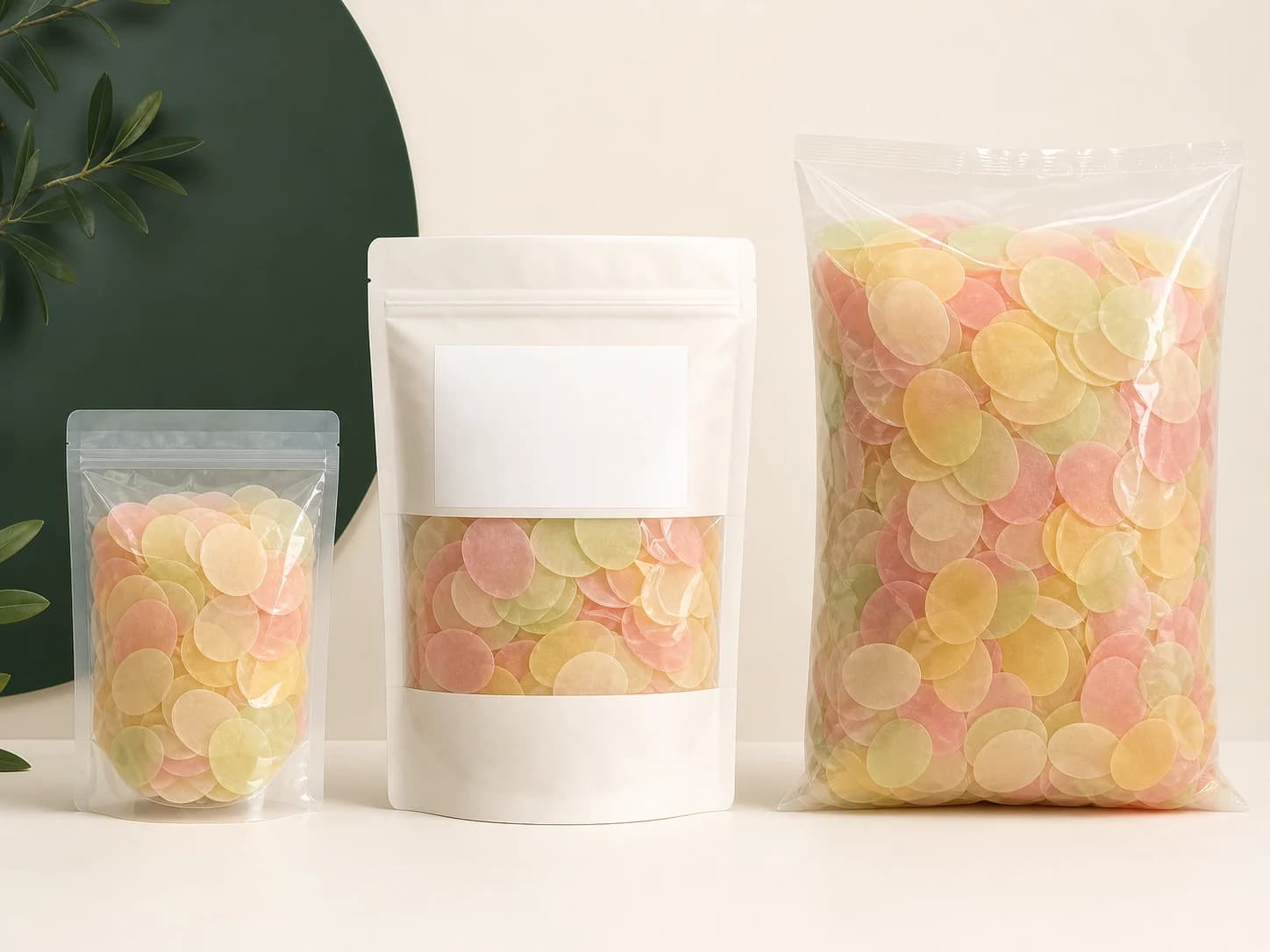
A procurement guide to prawn cracker formula, seafood allergens, five-colour pellets, expansion tests, 170 g packs, Vietnam origin and private label.
Read guide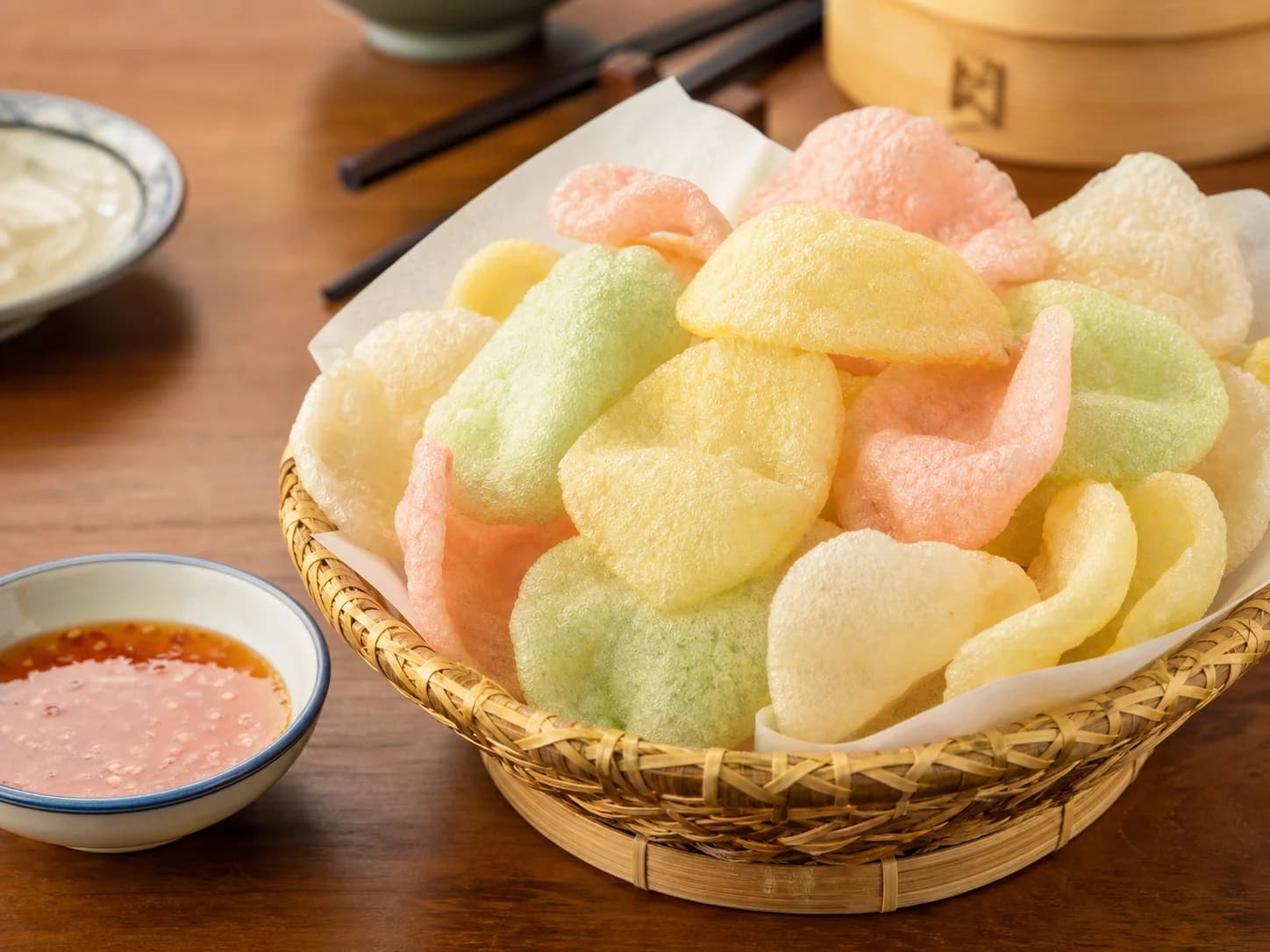
Learn how oil temperature, load, time, pellet dimensions and formula affect shrimp-chip expansion, crispness, colour and oil uptake.
Read guide
Plan moisture protection, 170 g packs, cartons, two-year shelf life, allergen labelling, artwork, MOQ and export documentation for prawn crackers.
Read guide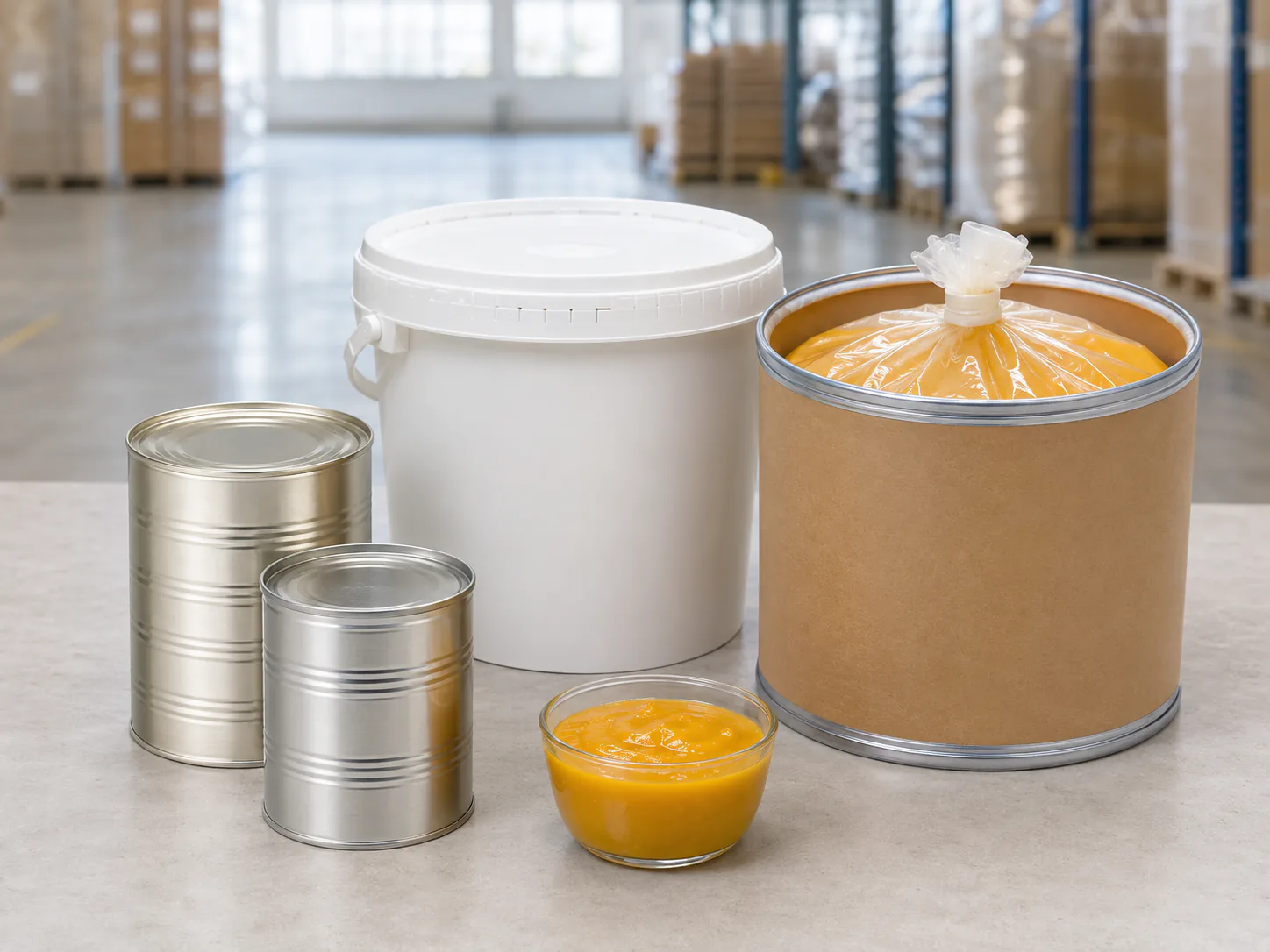
A procurement guide to puree versus IQF forms, mango content, Brix, −18°C storage, 500 g–10 kg packs, certificates and OEM review.
Read guide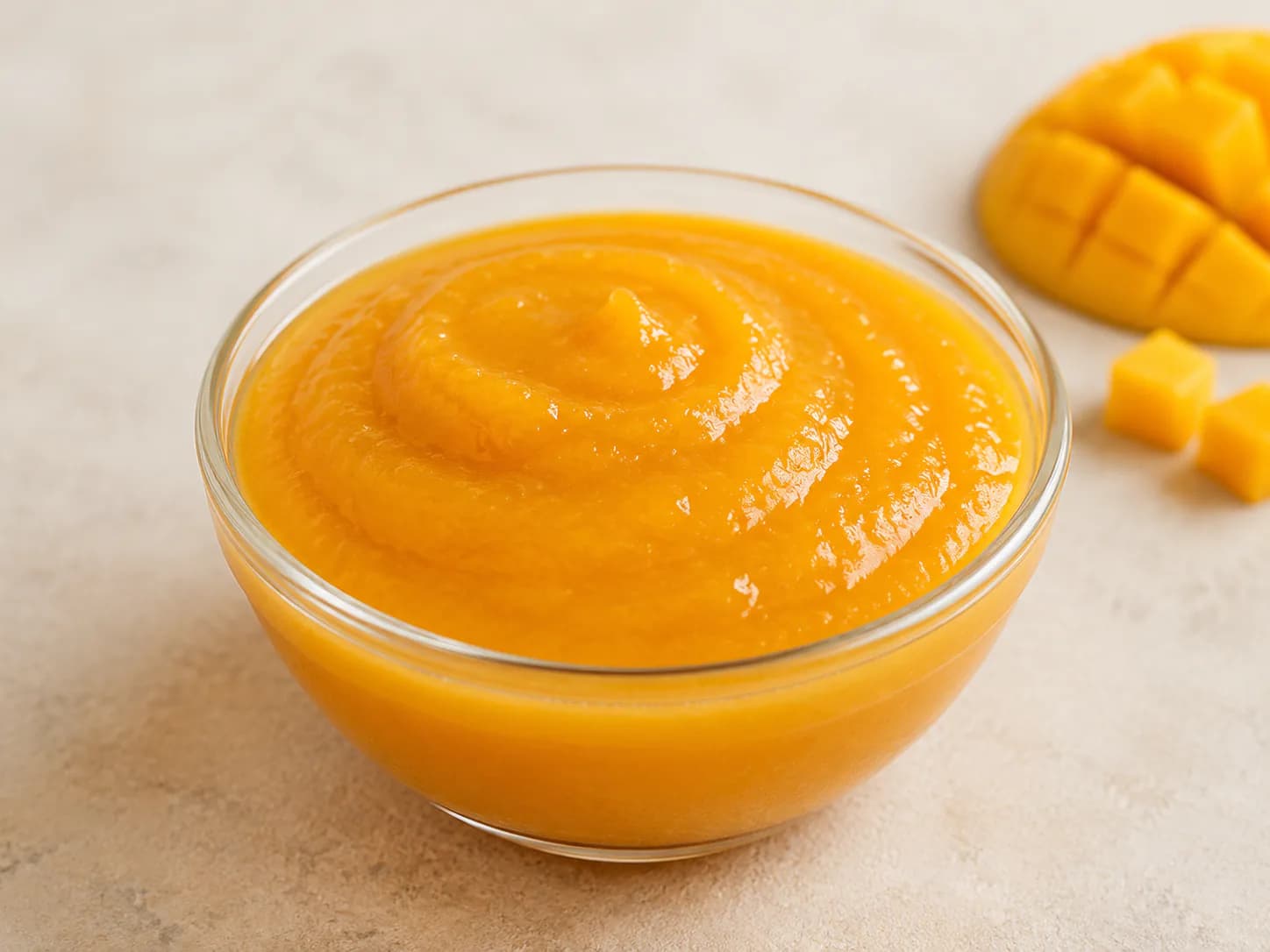
Learn how mango variety, fruit content, Brix, acidity, fibre, colour, flavour and microbiology shape a buyer-ready puree specification.
Read guide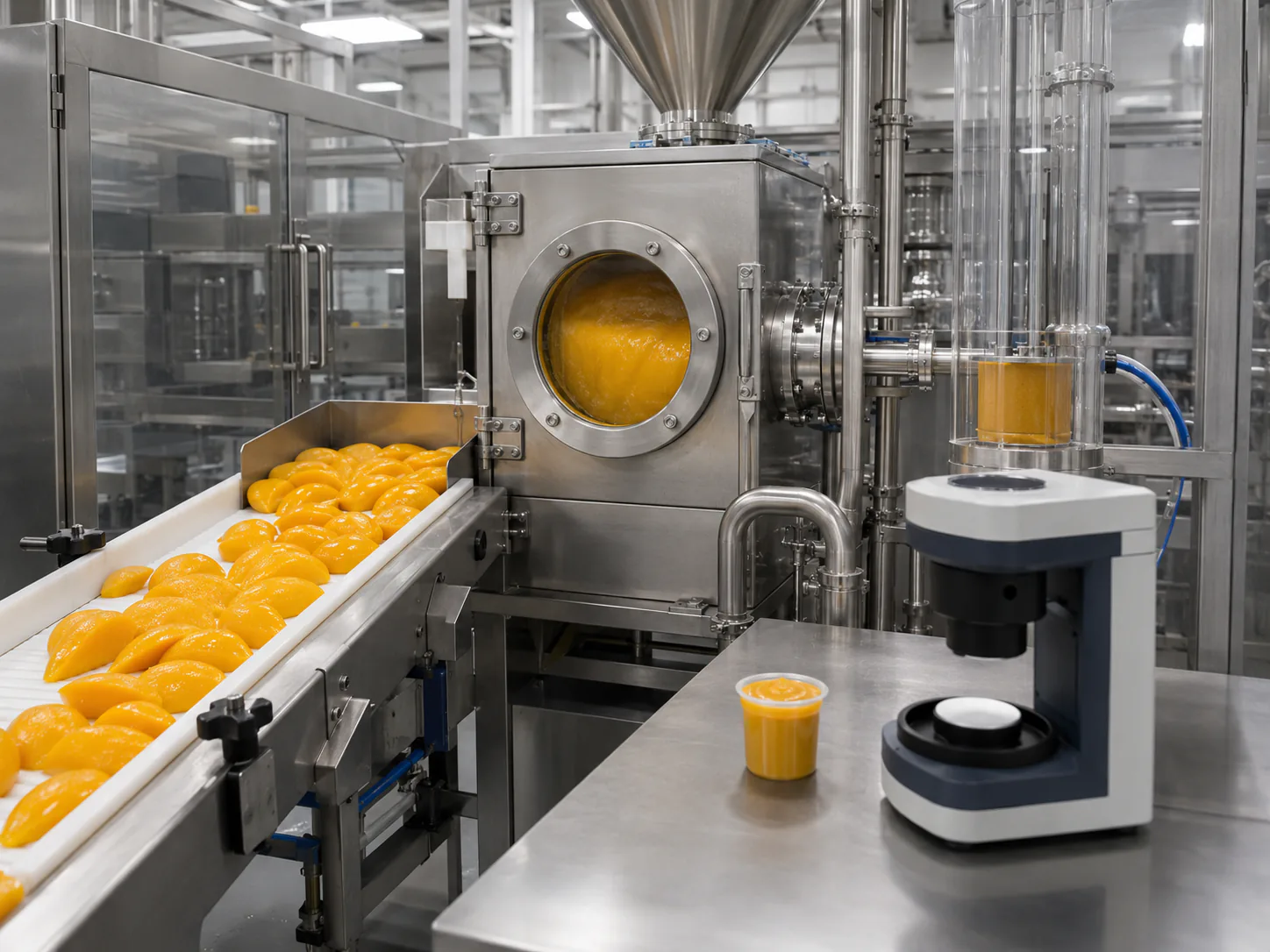
Plan 500 g–10 kg packs, cartons, −18°C storage, reefer loading, thawing, 24-month shelf life and OEM approvals for mango pulp.
Read guide