
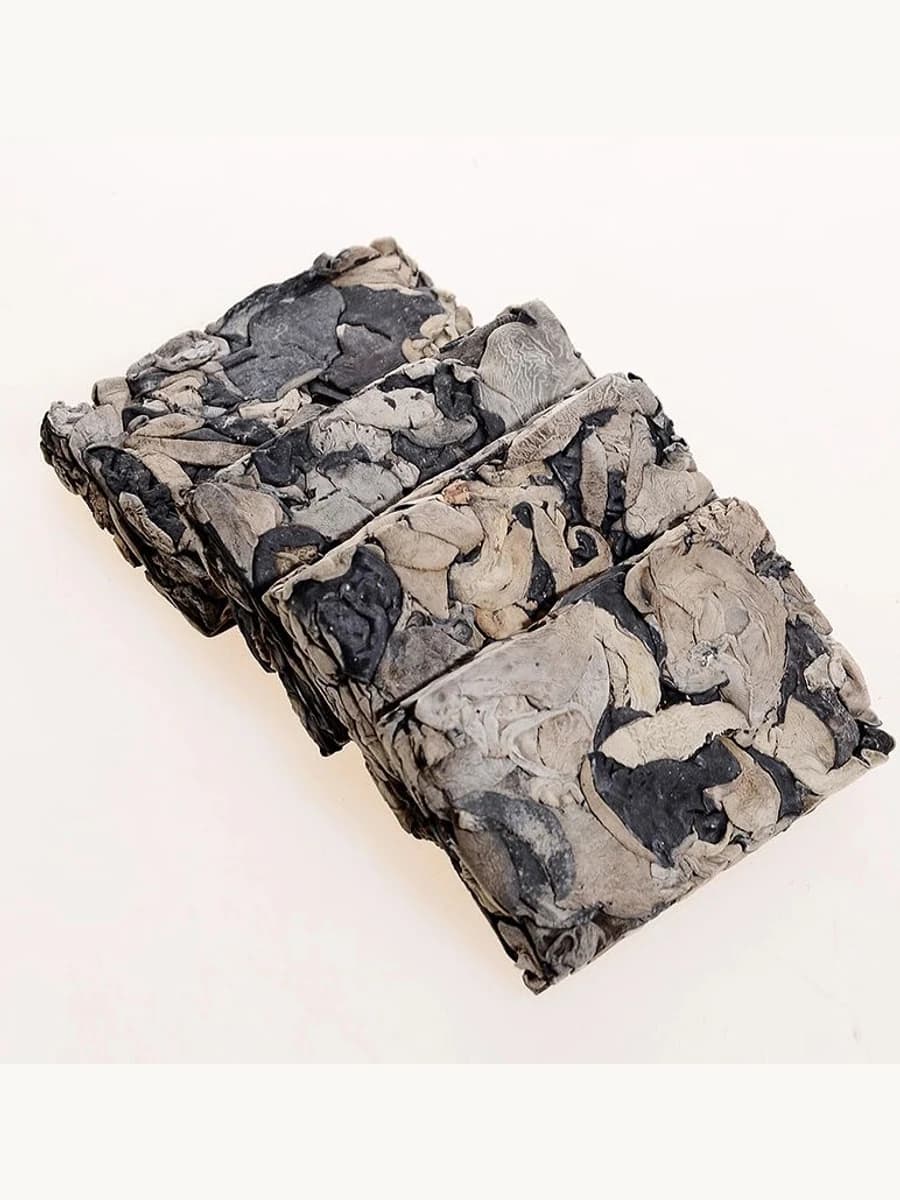
Product Knowledge · 7 min read
Compressed Black Fungus Blocks: A B2B Buyer Guide
Learn how to specify block weight, rehydration ratio, thickness, moisture, packing and approved samples when sourcing compressed wood ear mushrooms.
Read guideCompare Asian food product formats, applications, packing questions and specification points before requesting samples or quotations.
Learn how to specify block weight, rehydration ratio, thickness, moisture, packing and approved samples when sourcing compressed wood ear mushrooms.
Read guide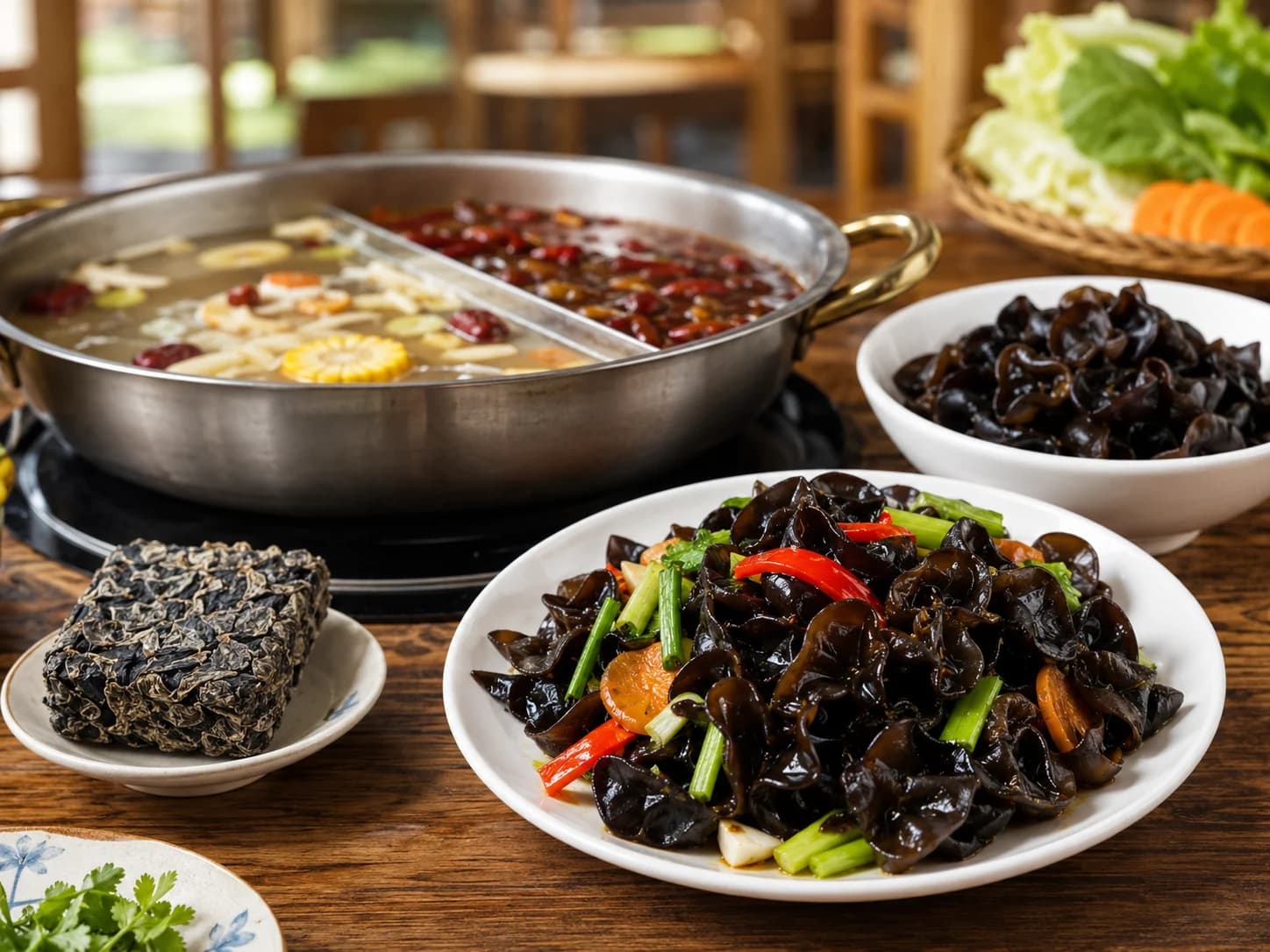
A practical method for comparing soaking conditions, expansion yield, texture and usable rehydrated wood ear mushroom.
Read guide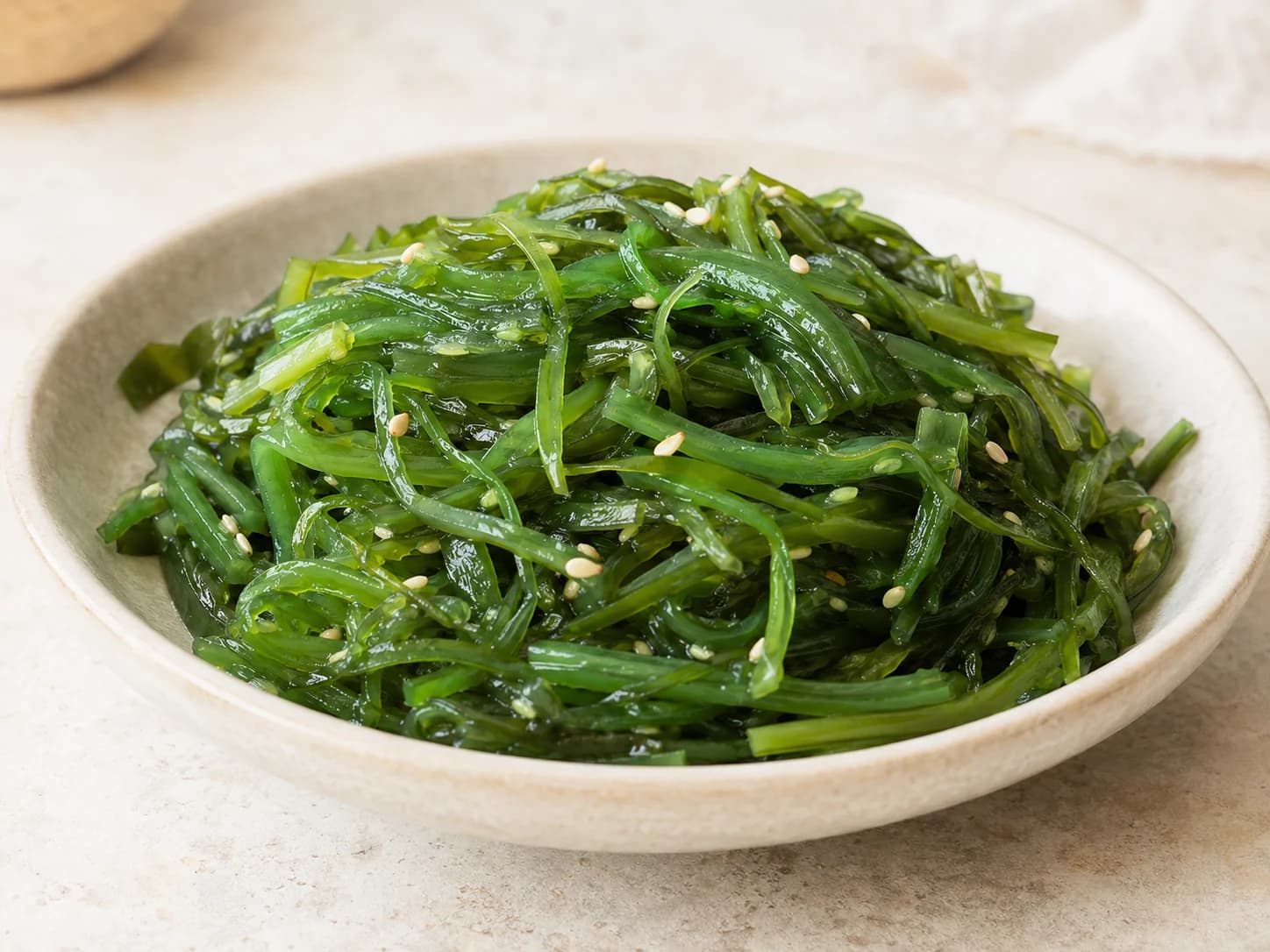
A buyer-focused framework for specifying hiyashi wakame formula, allergens, frozen storage, packing, samples and supplier documents.
Read guide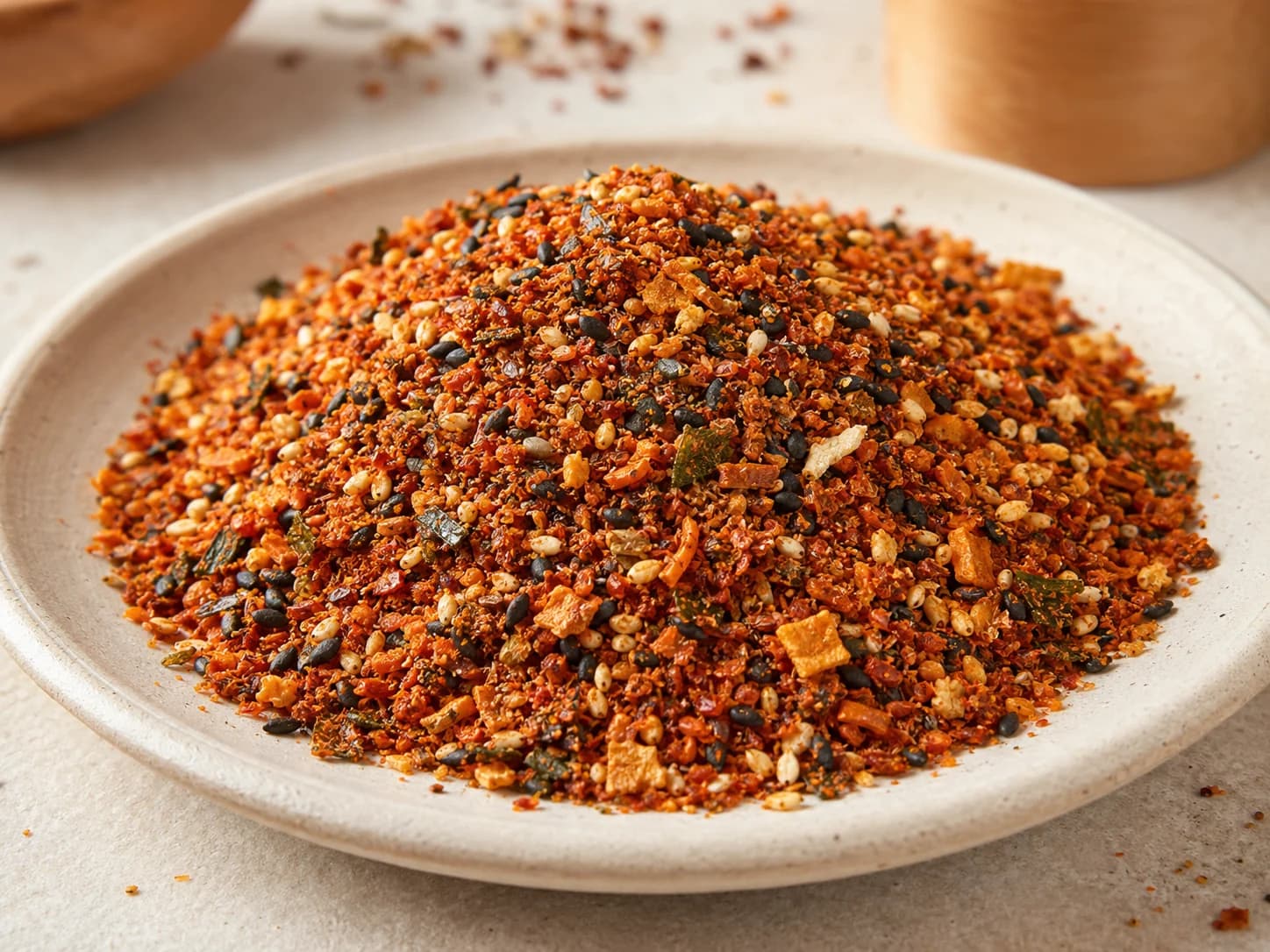
Understand Japanese seven spice, why formulas vary, common ingredients, allergen questions and foodservice uses before selecting a commercial blend.
Read guide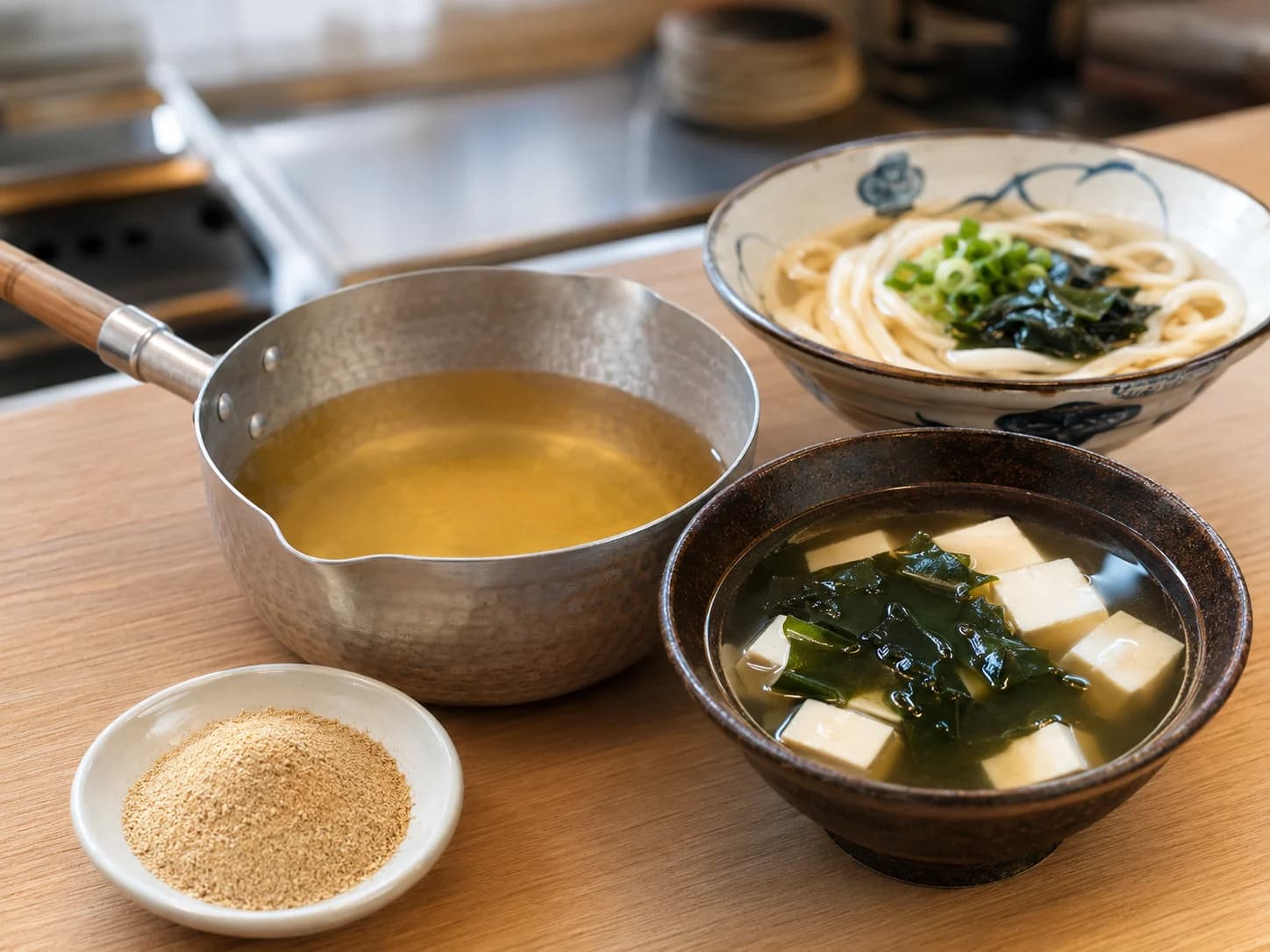
Compare compound bonito seasoning, dried katsuobushi and instant dashi powder by ingredients, flavour, kitchen use and purchasing specification.
Read guide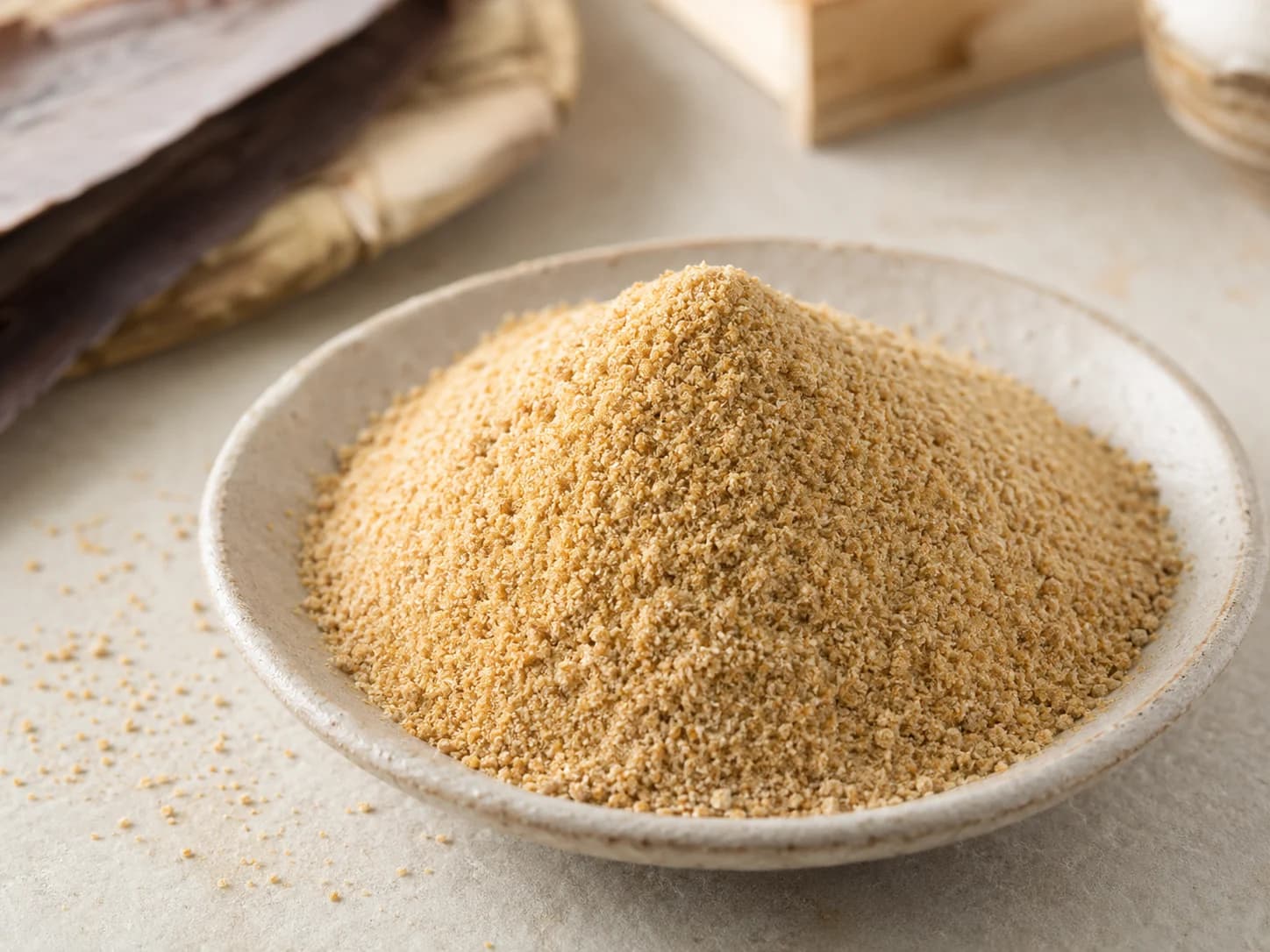
A buyer-focused review of compound bonito seasoning ingredients, fish allergens, sodium, nutrition data and label approval points.
Read guide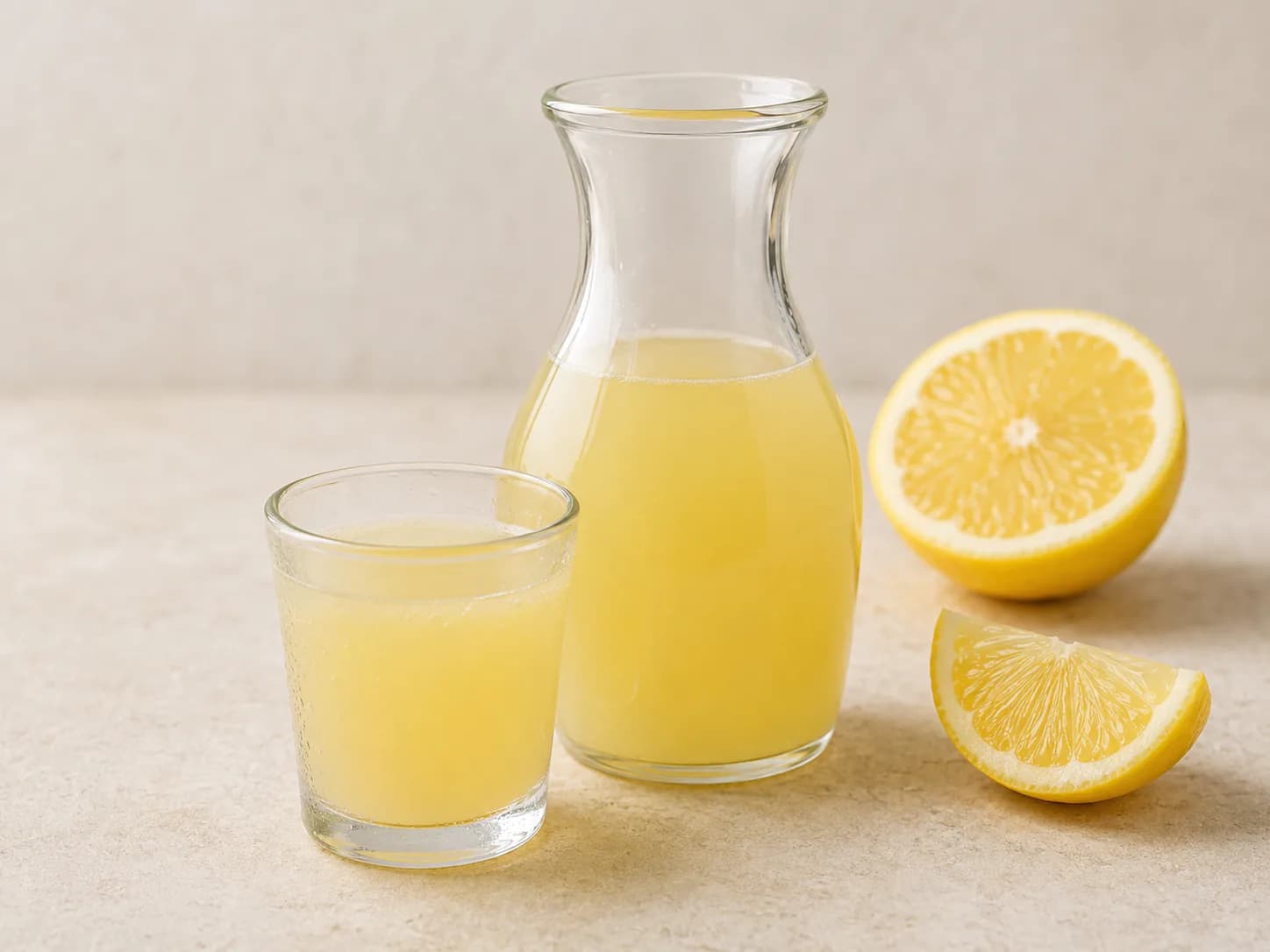
Learn how lime identity, Brix, titratable acidity, pH, fruit content, sensory quality and microbiology shape a buyer-ready lime juice specification.
Read guide
Understand fine chilli thread names, product form, applications and the specification differences buyers should verify before sourcing.
Read guide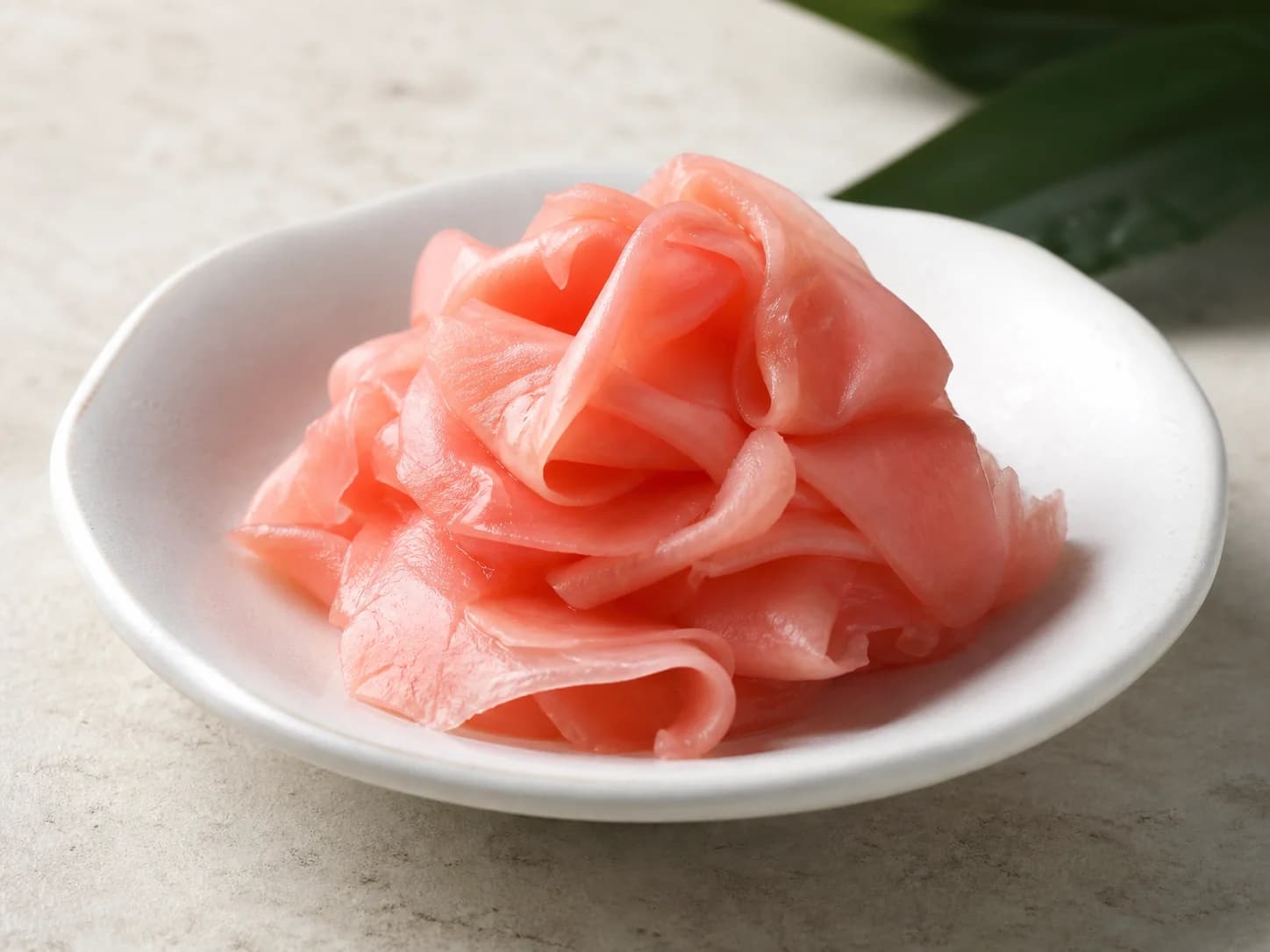
A practical B2B checklist for specifying pink or red gari by slice, colour source, flavour, drained yield, packaging and sample.
Read guide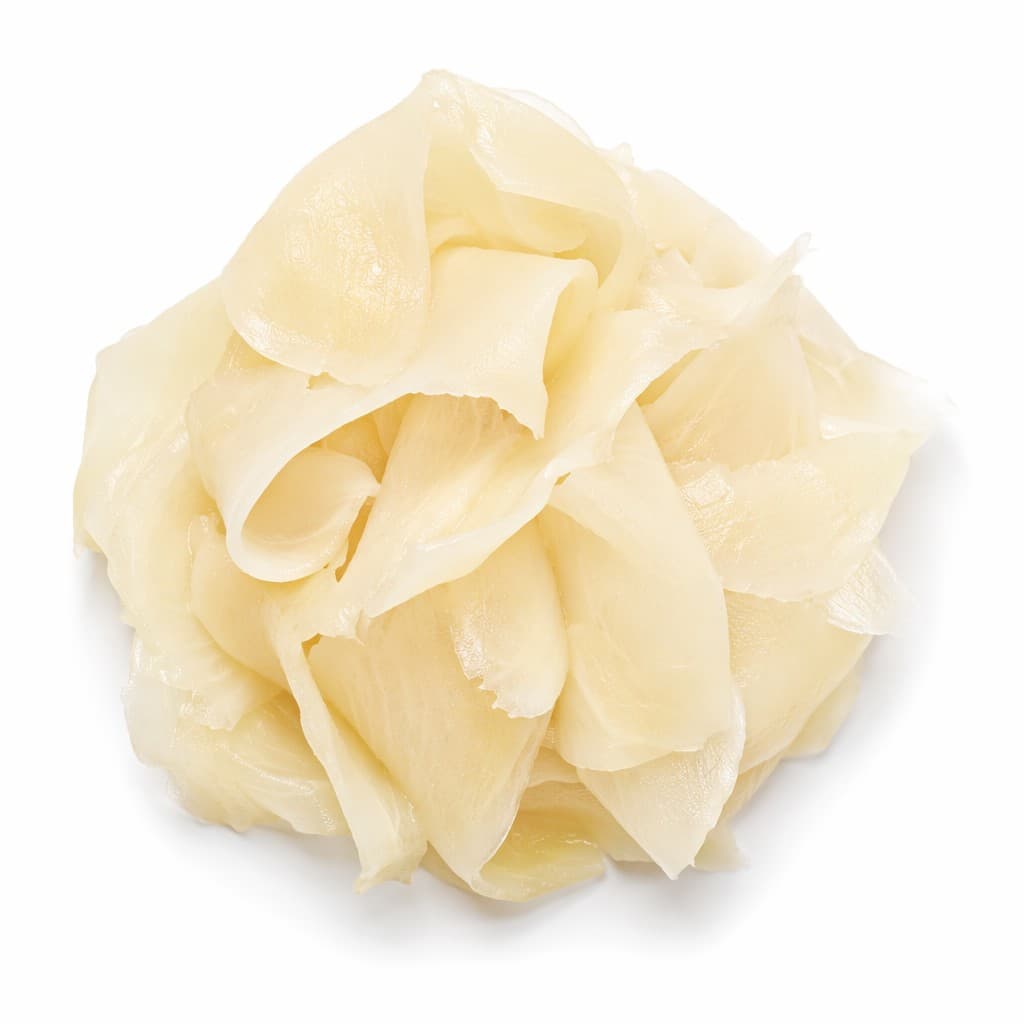
A practical B2B checklist for specifying white gari by slice, flavour, drained yield, packaging, shelf life and approved sample.
Read guideCompare color, positioning, label questions and purchasing checks for white and pink pickled sushi ginger.
Read guide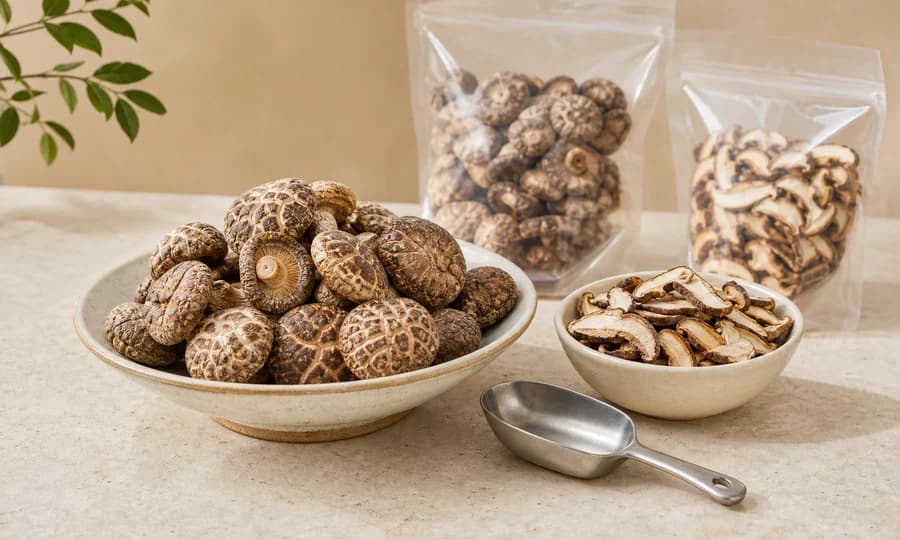
A B2B sourcing checklist covering whole and sliced forms, grade, cap size, moisture, packing, samples and approved specifications.
Read guide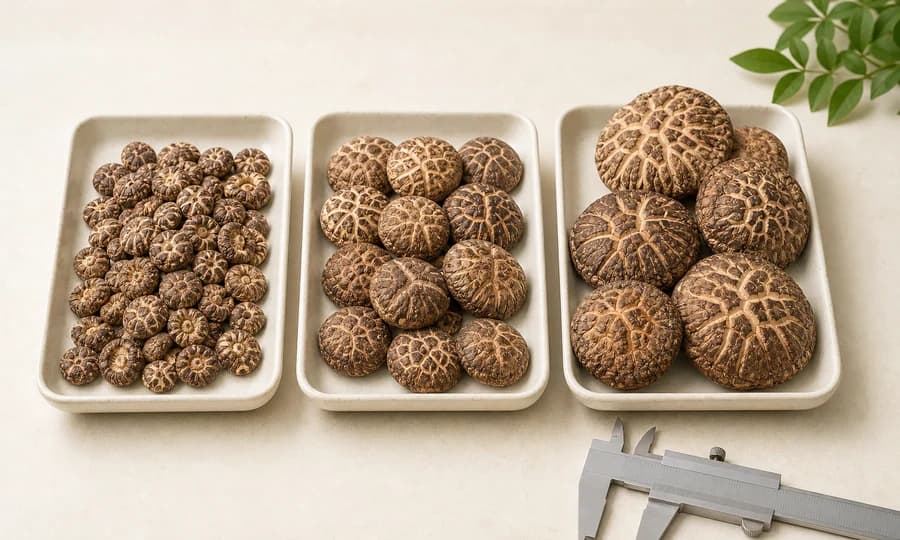
Learn how B2B buyers can compare grades, cap diameter, stem trimming, broken tolerance and approved samples before ordering dried shiitake mushrooms.
Read guide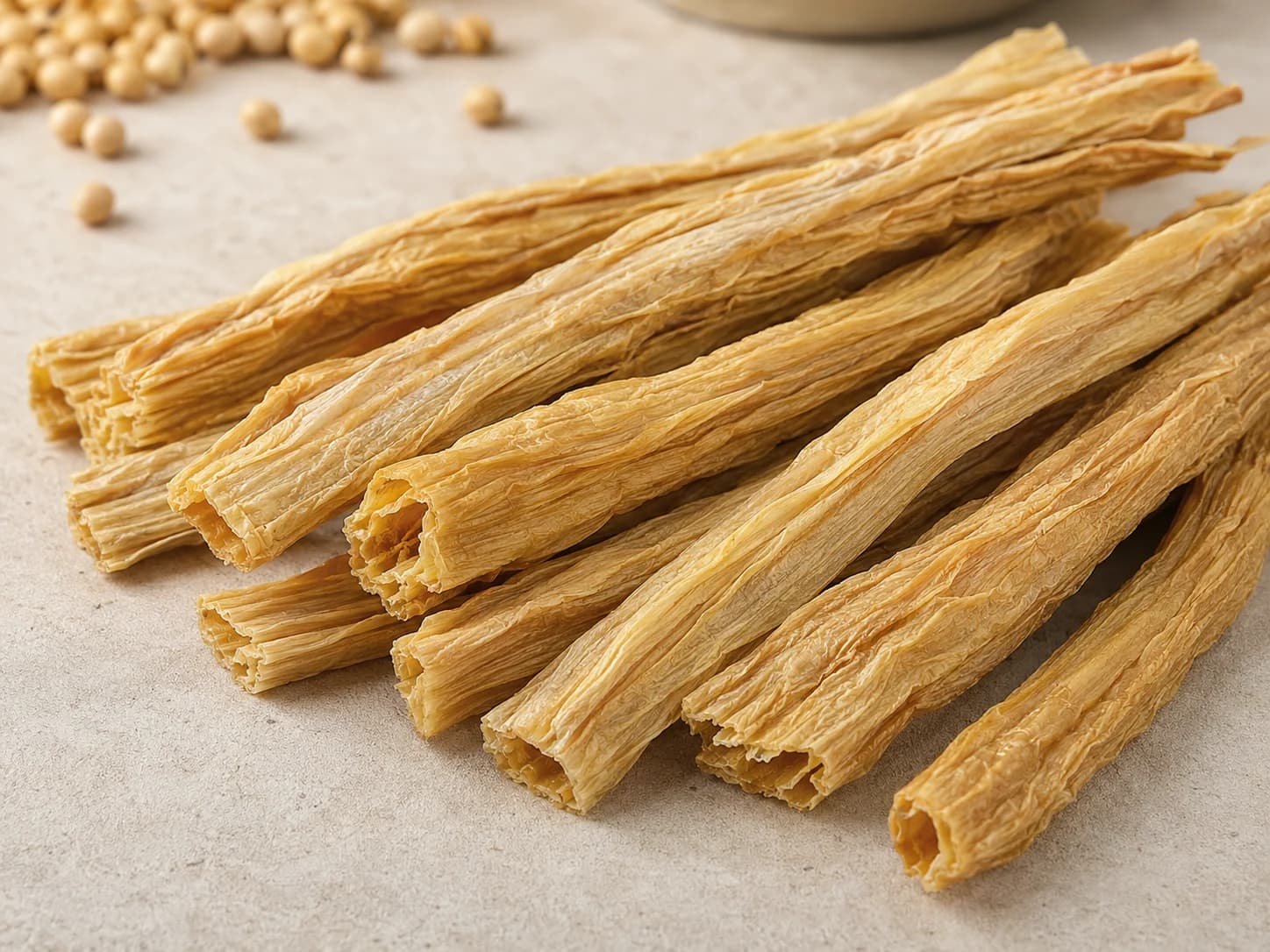
Understand how dried bean curd sticks are made, why yuba and fuzhu describe related products, and which details food buyers should specify.
Read guide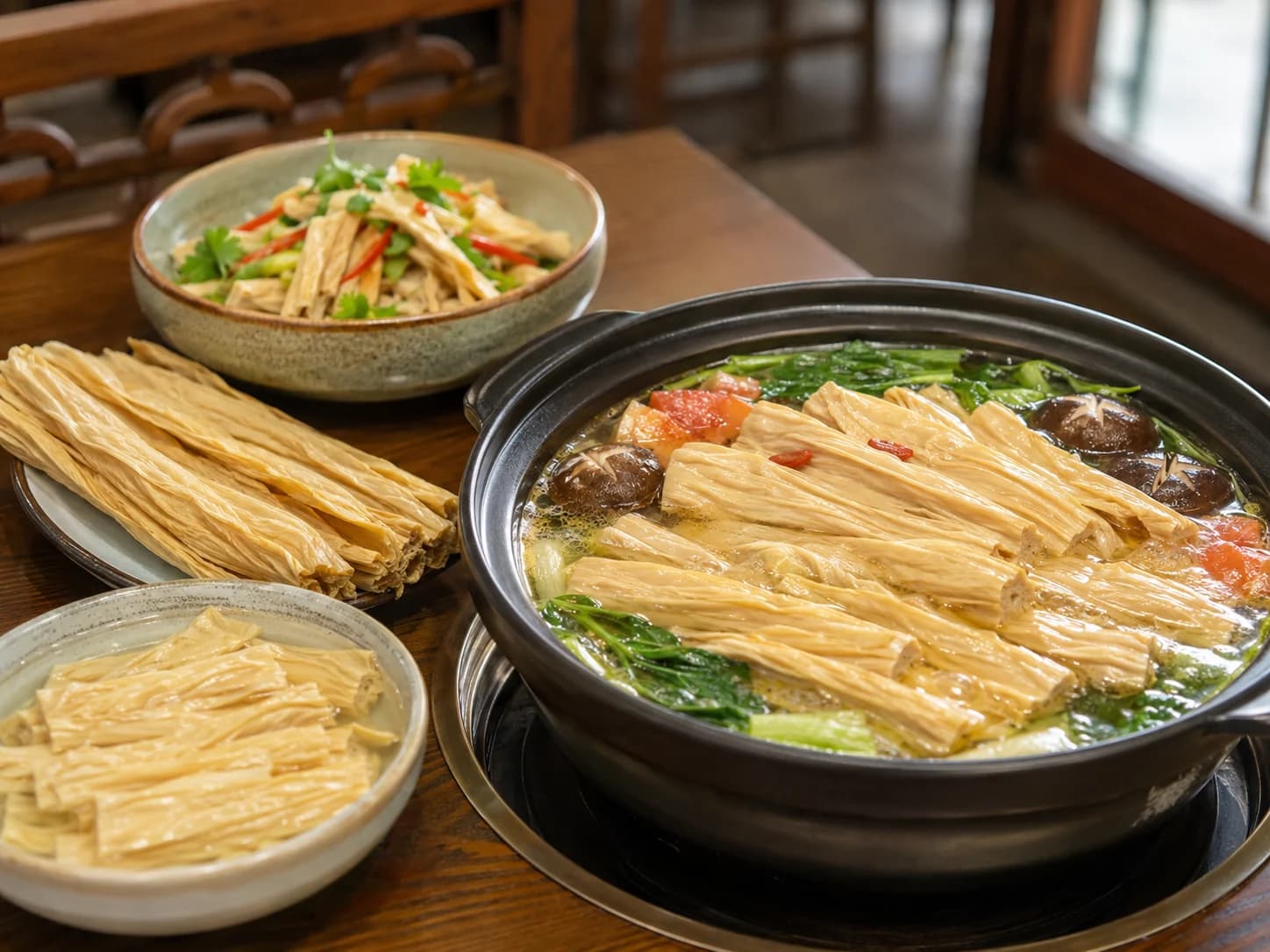
Use a repeatable soaking and cooking test to compare yuba stick softening, texture, breakage and sauce absorption for foodservice use.
Read guideCompare yuba sticks and tofu skin sheets by shape, preparation, menu application, packing and buyer specification.
Read guide
Understand the commercial differences between dried wakame and kelp before selecting a product for retail or foodservice.
Read guide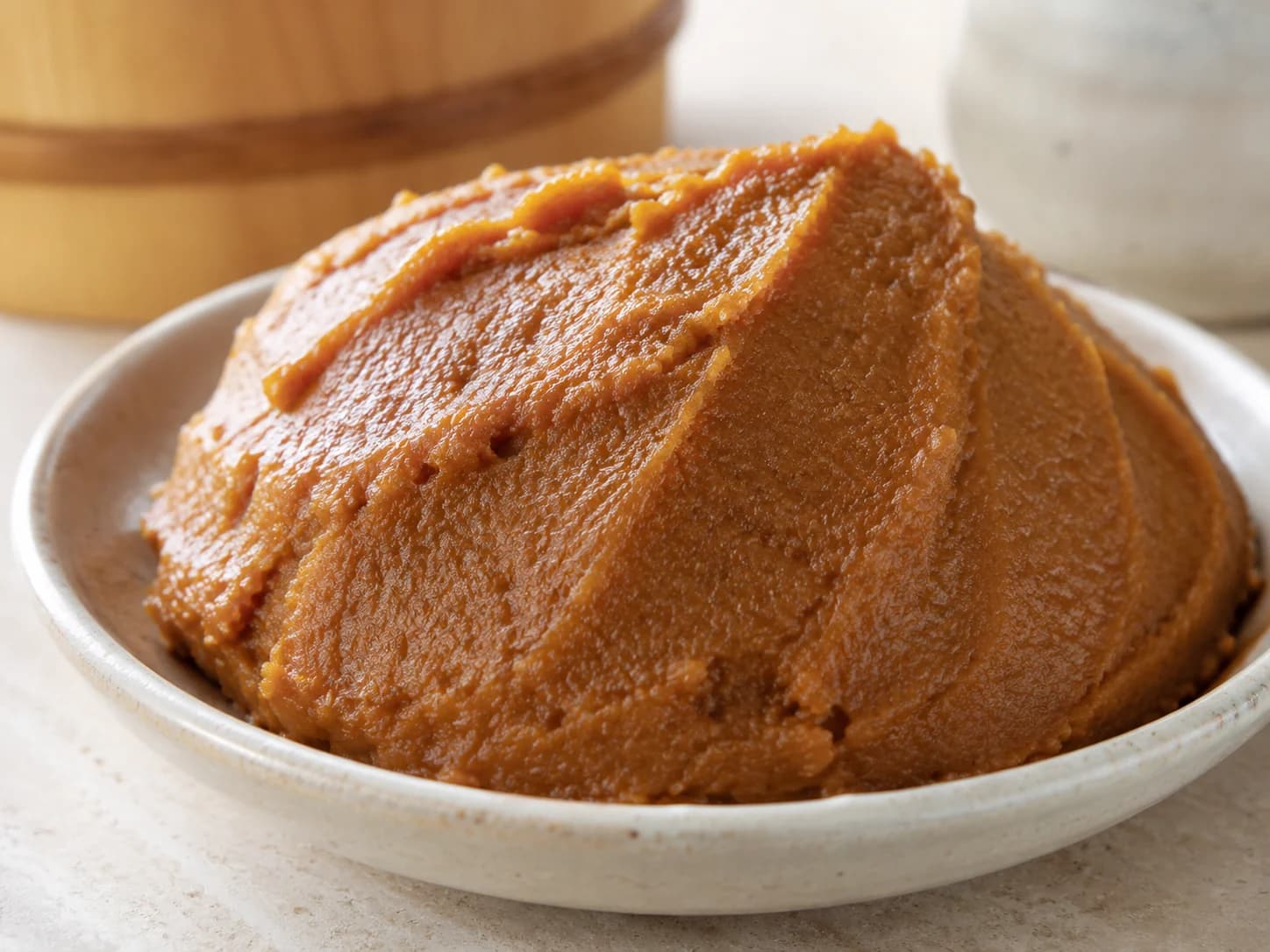
Compare commercial miso styles by colour, flavour, salt intensity, texture, kitchen application and the specifications buyers should approve.
Read guide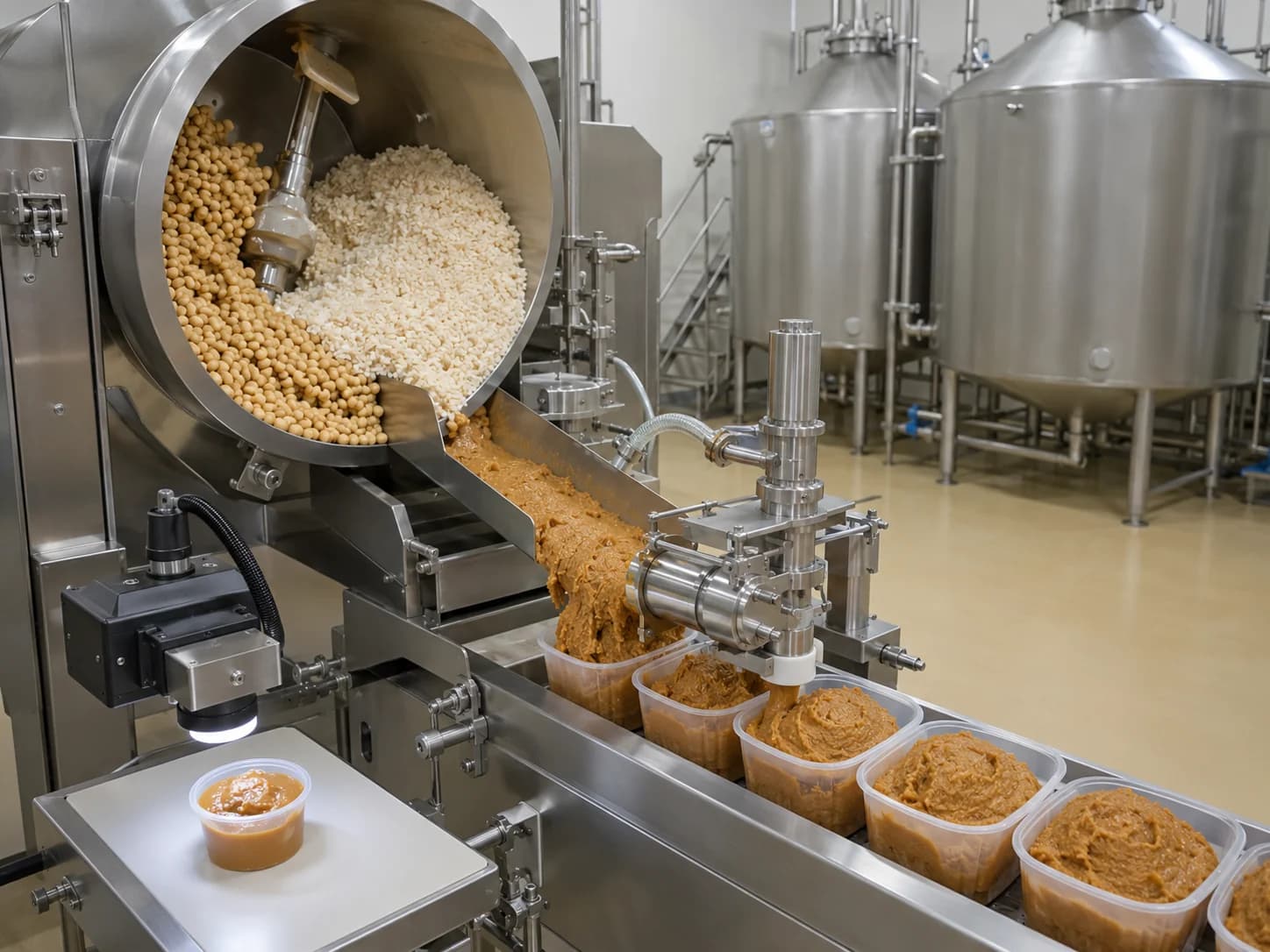
Understand soybean and koji ingredients, soy and possible fish allergens, alcohol declarations, unopened storage and refrigeration after opening.
Read guide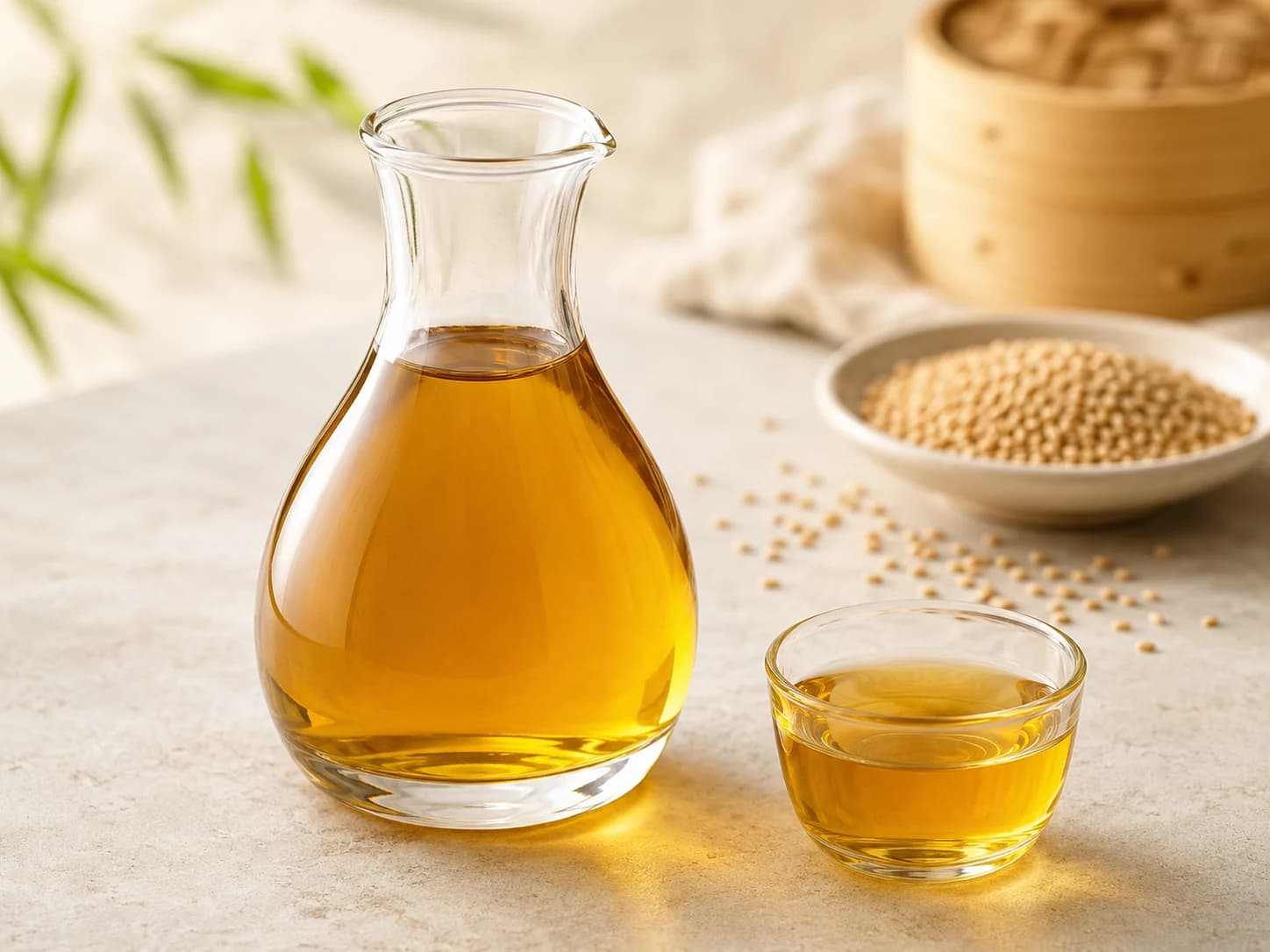
Learn how to compare soybean and sesame oil percentages, sensory strength, kitchen dosage, allergens and sample approval for foodservice supply.
Read guide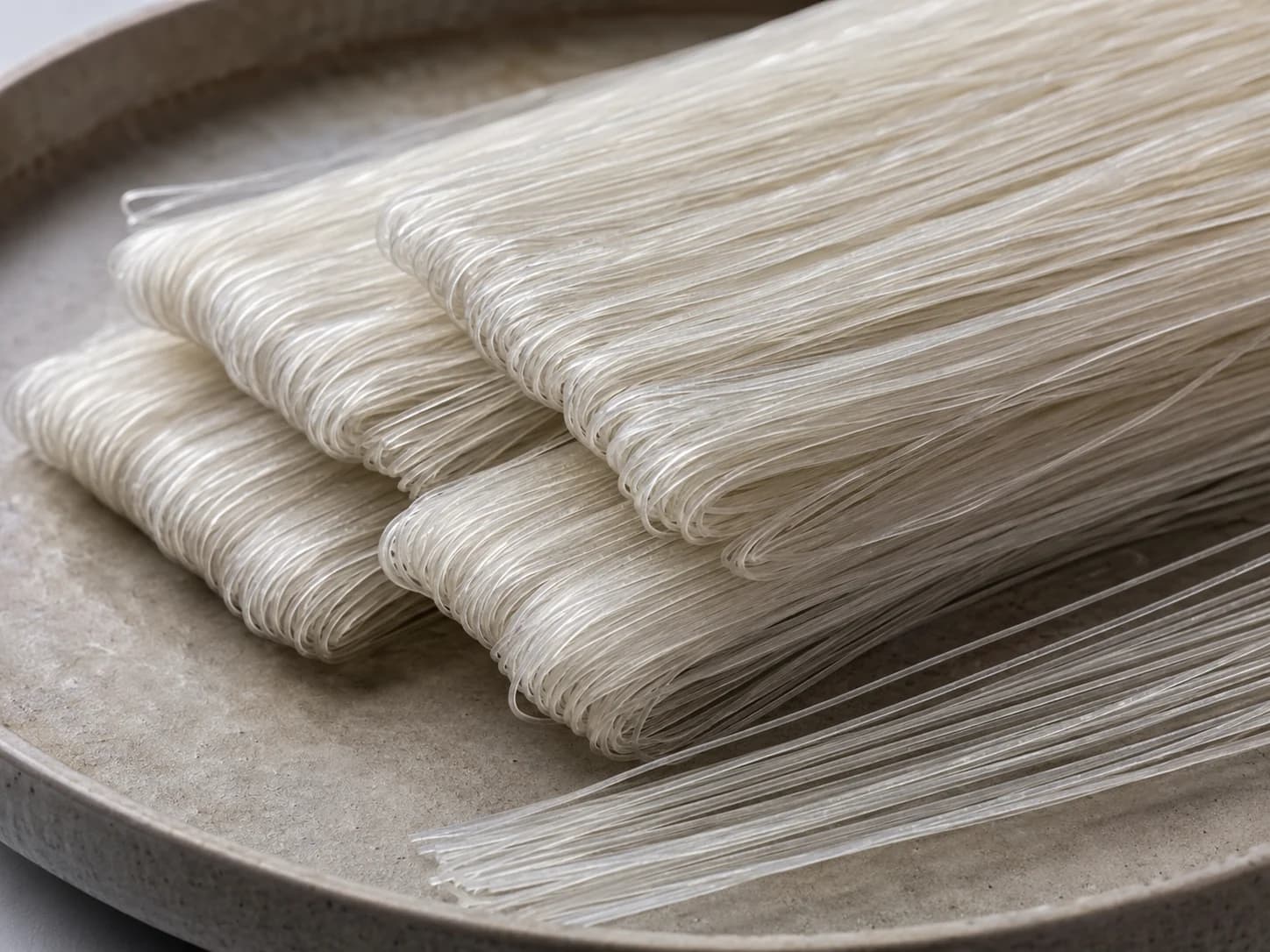
Compare ingredient terminology, transparency, texture, cooking performance and label controls when sourcing mung bean or mixed-starch glass noodles.
Read guide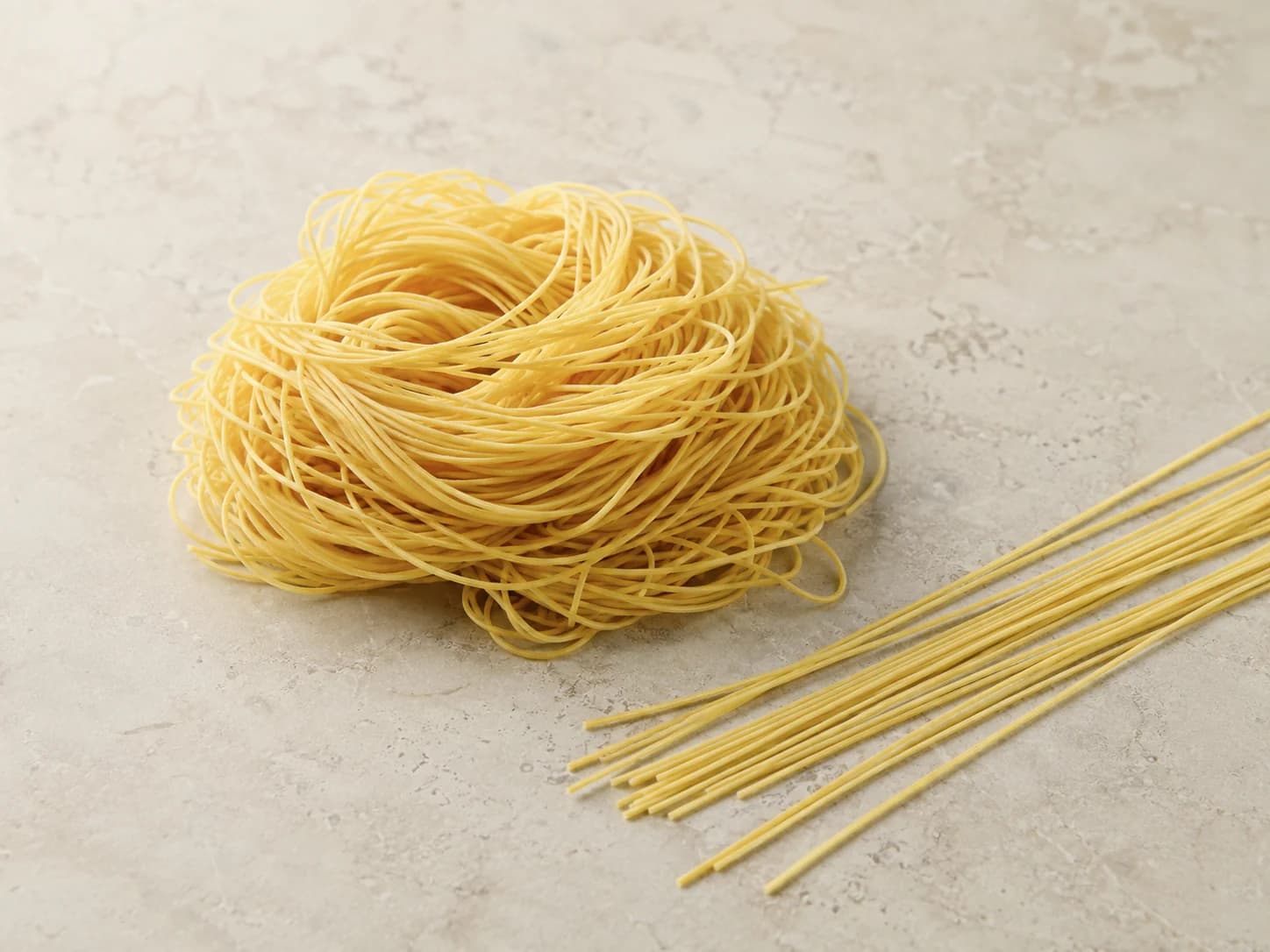
Learn how to verify wheat flour, egg ingredients, gluten status, additive declarations and compliant claims before buying dried egg noodles.
Read guide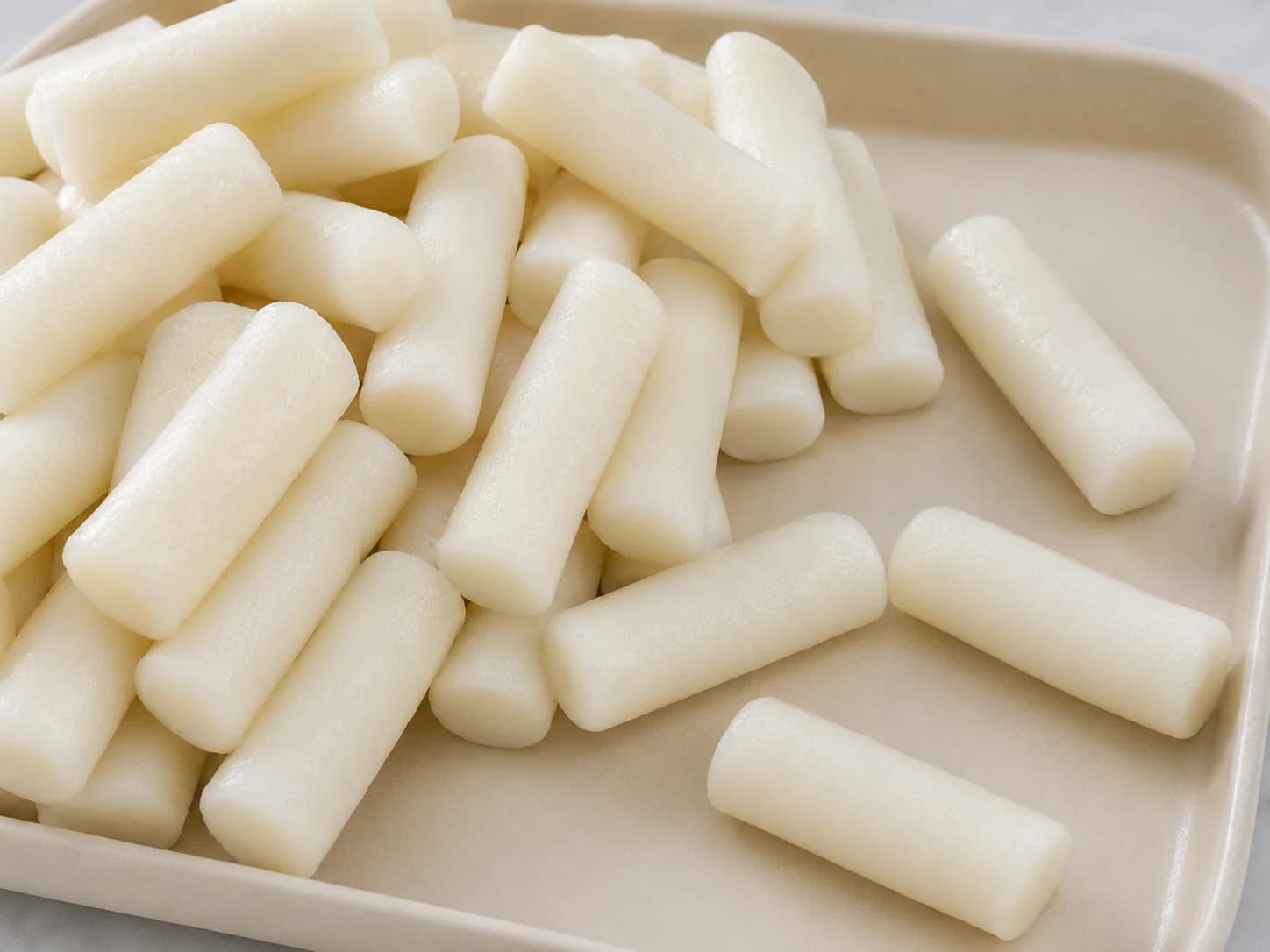
Learn why tteokbokki sticks may use different rice or starch formulas and how buyers should approve ingredients, additives, allergens and product names.
Read guide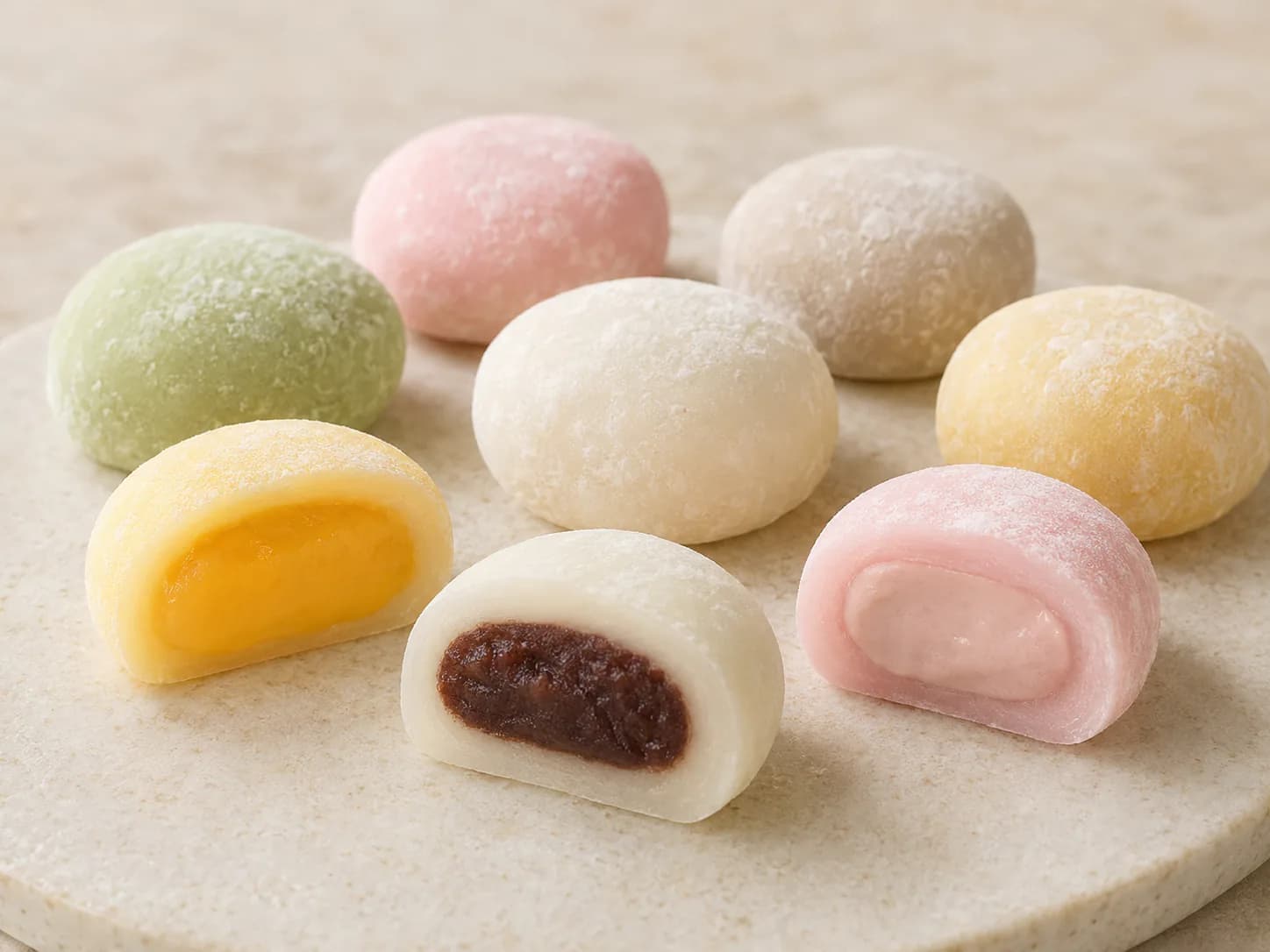
Understand why ice-skin mochi and ice-cream mochi are not interchangeable and how storage, thawing, shelf life and logistics affect procurement.
Read guide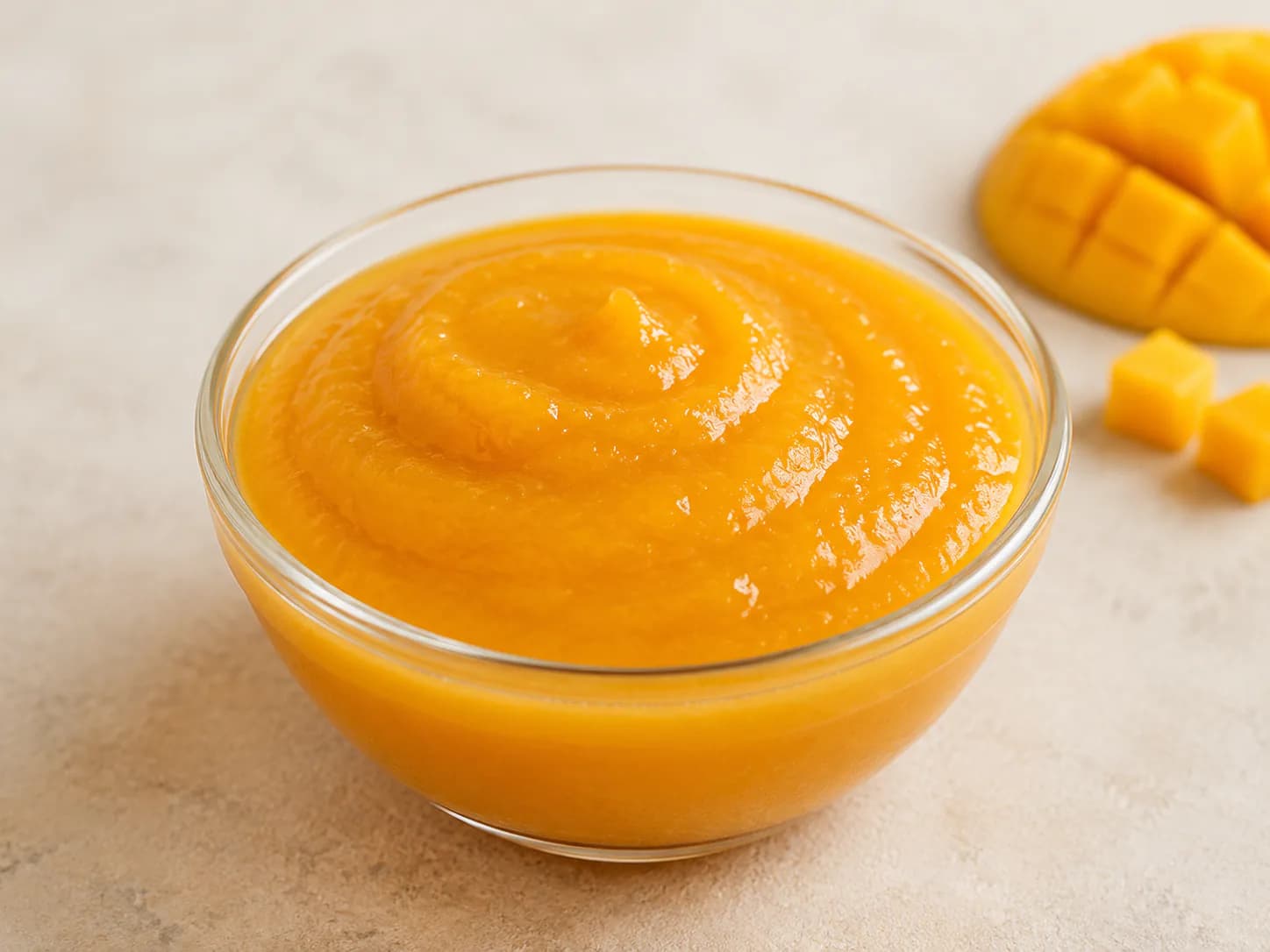
Learn how mango variety, fruit content, Brix, acidity, fibre, colour, flavour and microbiology shape a buyer-ready puree specification.
Read guide