The basic difference
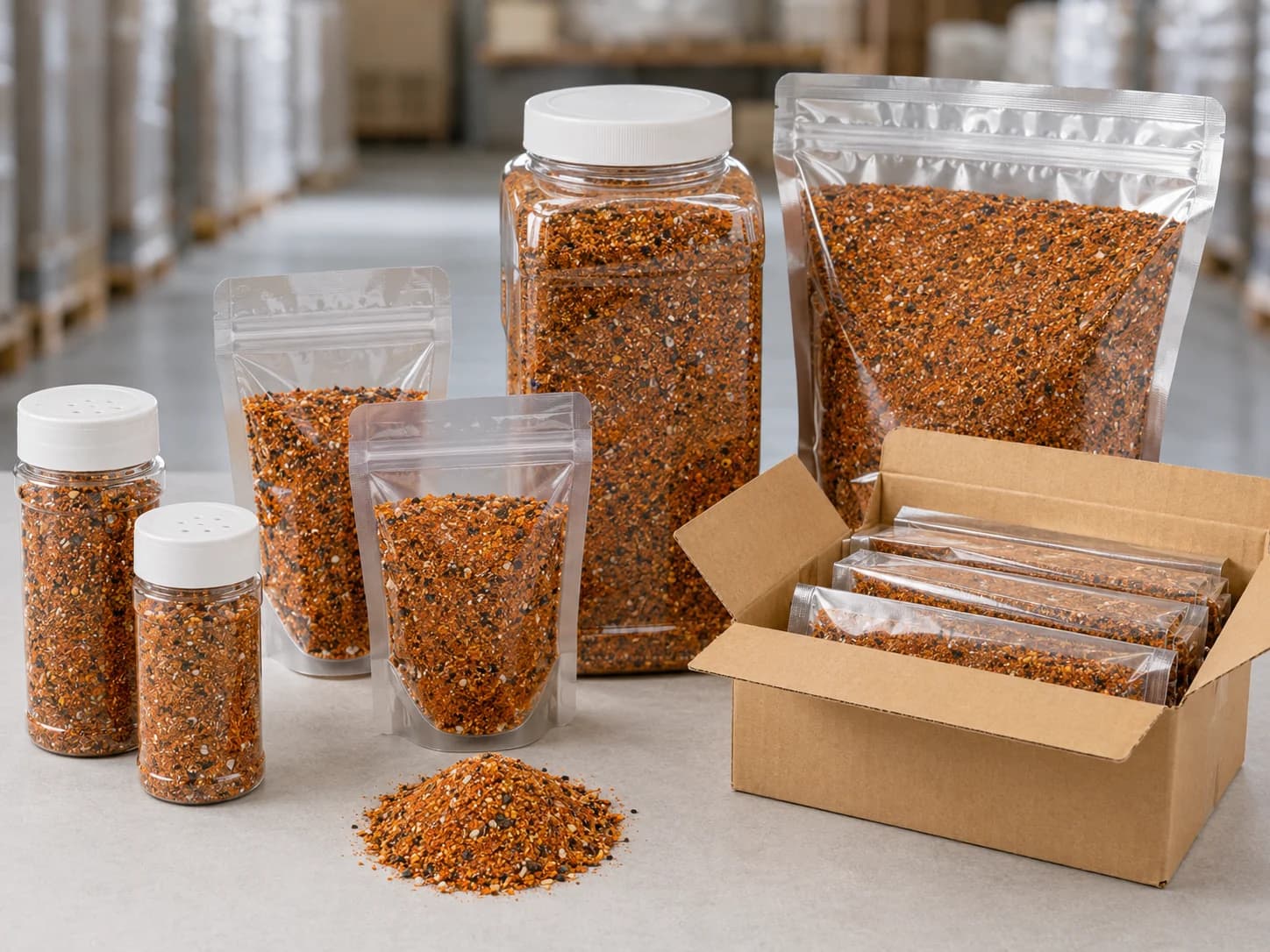
Ichimi Togarashi is normally made from one red chilli ingredient and is selected mainly for direct chilli heat and colour. Shichimi Togarashi combines chilli with several aromatic components and delivers a more layered seasoning profile.
Both names are used in export catalogues, but the signed product specification and ingredient label determine what is actually supplied.
Compare formula and allergens
Ichimi usually has a shorter ingredient declaration. Shichimi may contain sesame, citrus, sansho, seaweed, seeds or other spices, depending on the formula.
This difference matters for allergen review, label translation and recipe consistency. Do not assume every Shichimi contains the same seven components.
Compare heat and particle size
An Ichimi product can be specified by chilli variety, SHU, colour and mesh. A Shichimi specification needs those controls plus the proportion and particle size of its other components.
For tabletop shakers, assess flow and visual distribution. For food manufacturing, define mesh, fines and blend uniformity more precisely.
Choose by menu application
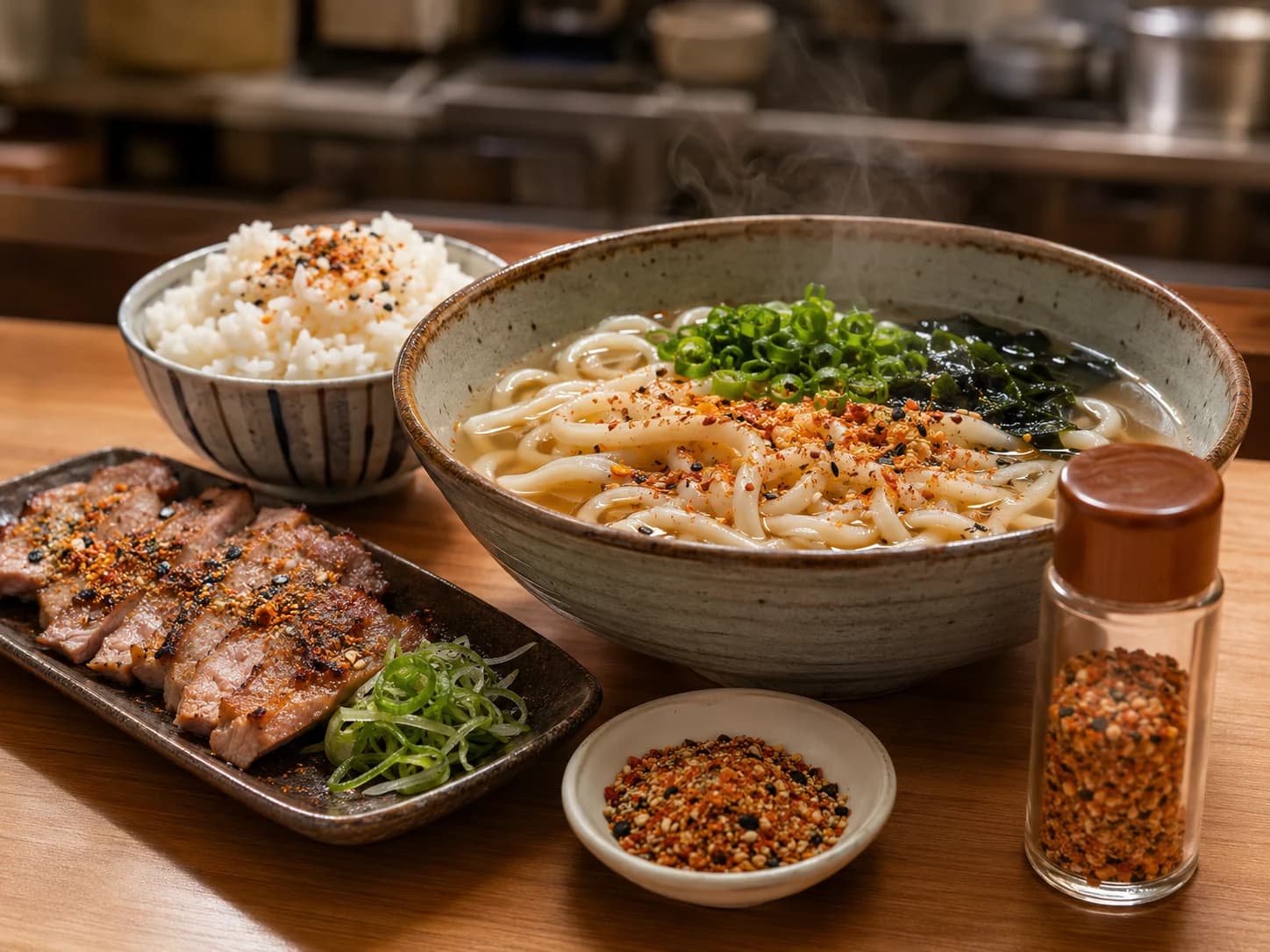
Choose Ichimi when clean chilli heat is the main requirement. Choose Shichimi when the dish benefits from citrus, sesame, pepper and seaweed complexity as well as heat.
Test both products in the intended broth, noodle, rice or grilled-food application and document the selected sample.
Build the quotation brief
State the product type, ingredient expectations, allergen policy, SHU, mesh, colour, moisture, pack size, annual volume and destination market.
Ask the supplier to connect the quotation, specification, sample and label artwork to the same SKU reference.
Need a product-specific quotation?
Send Longki Foods your target product, pack, quantity and destination market. We will identify the information that still needs confirmation.
Request a Quote