Define the target application first
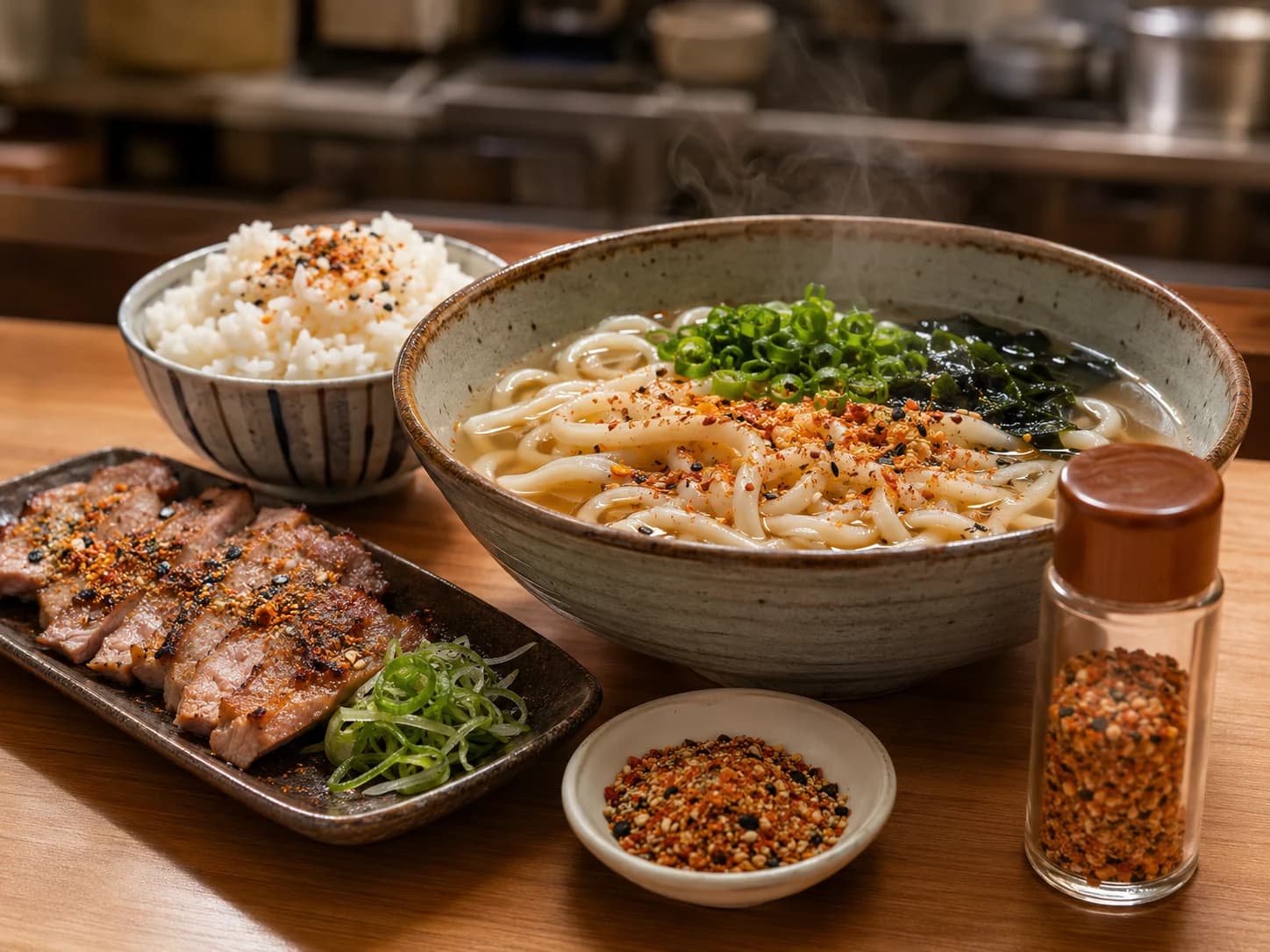
Tell the supplier whether the miso will be used for soup, ramen, marinade, dressing, dipping sauce, prepared food or retail resale. The application determines the preferred salt intensity, colour, texture and fermentation character.
Provide a benchmark sample or sensory brief and record the approved result for repeat orders.
Select the miso style and formula
White, red, dark and awase miso are broad commercial descriptions, not complete specifications. Confirm soybean and koji basis, colour, sweetness, salt level, smooth or coarse texture and any additives.
If non-GMO soybean is required, connect the claim to the selected raw material declaration and destination-market wording.
Close ingredient and allergen questions
A base reference may list water, soybean, rice and salt, while another formula may include bonito extract or edible alcohol. These are not interchangeable labels.
Approve the full ingredient order, soy declaration, possible fish allergen, alcohol wording and factory cross-contact statement before artwork or purchase approval.
Verify packaging, storage and shelf life
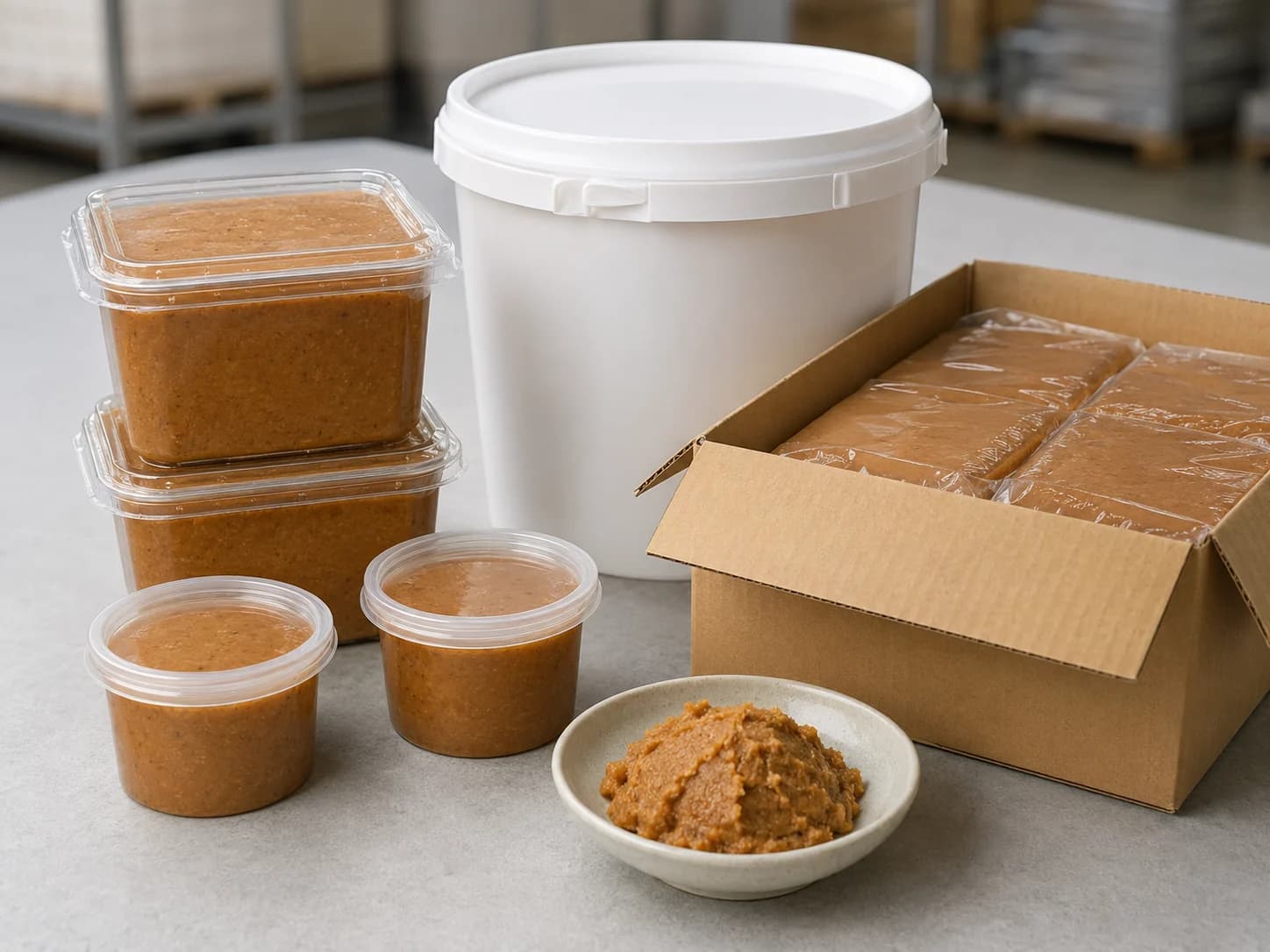
For a 1 kg unit, confirm jar, tub, pouch or other primary pack, seal, units per carton, net and gross weight, verified dimensions, lot coding and pallet data.
Separate unopened ambient storage from refrigeration after opening and confirm the 12-month reference against the final formula, packaging and shelf-life evidence.
Build a document-controlled quotation
Keep the product specification, approved sample, ingredient and allergen statement, label, COA requirements, certificates and export documents connected to one SKU.
Review certificate holder, manufacturing site, scope and validity before making HACCP, ISO, Kosher or other claims.
Need a product-specific quotation?
Send Longki Foods your target product, pack, quantity and destination market. We will identify the information that still needs confirmation.
Request a Quote