Why the test method matters
A dry-to-wet ratio describes how much the product weighs after soaking compared with its dry weight. Results can change with water temperature, soaking time, agitation and drain time.
When a procurement reference states at least 1:12, buyers and suppliers should agree on one repeatable method before using that number as an acceptance criterion.
Use a repeatable sample procedure
Weigh a representative dry sample, soak it in a defined volume of clean water at a recorded temperature, and use the same soaking time for every comparison.
After expansion, separate the pieces, rinse if the specification requires it, drain for a fixed period and record the rehydrated weight. Divide rehydrated weight by dry weight to calculate the ratio.
Evaluate usable quality, not weight alone
A high numerical ratio does not by itself confirm commercial quality. Check crispness, thickness, color, aroma, broken pieces, hard bases and the percentage of material usable in the intended dish.
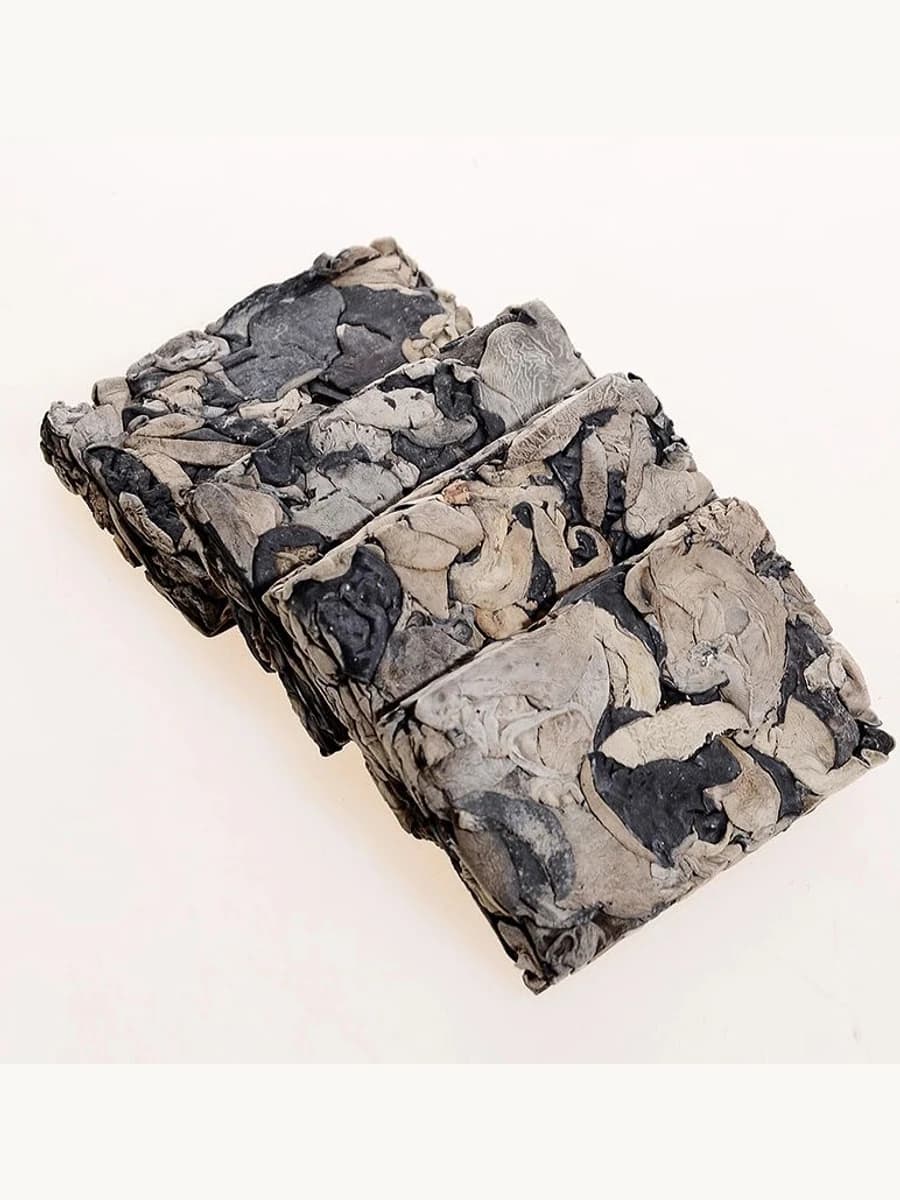
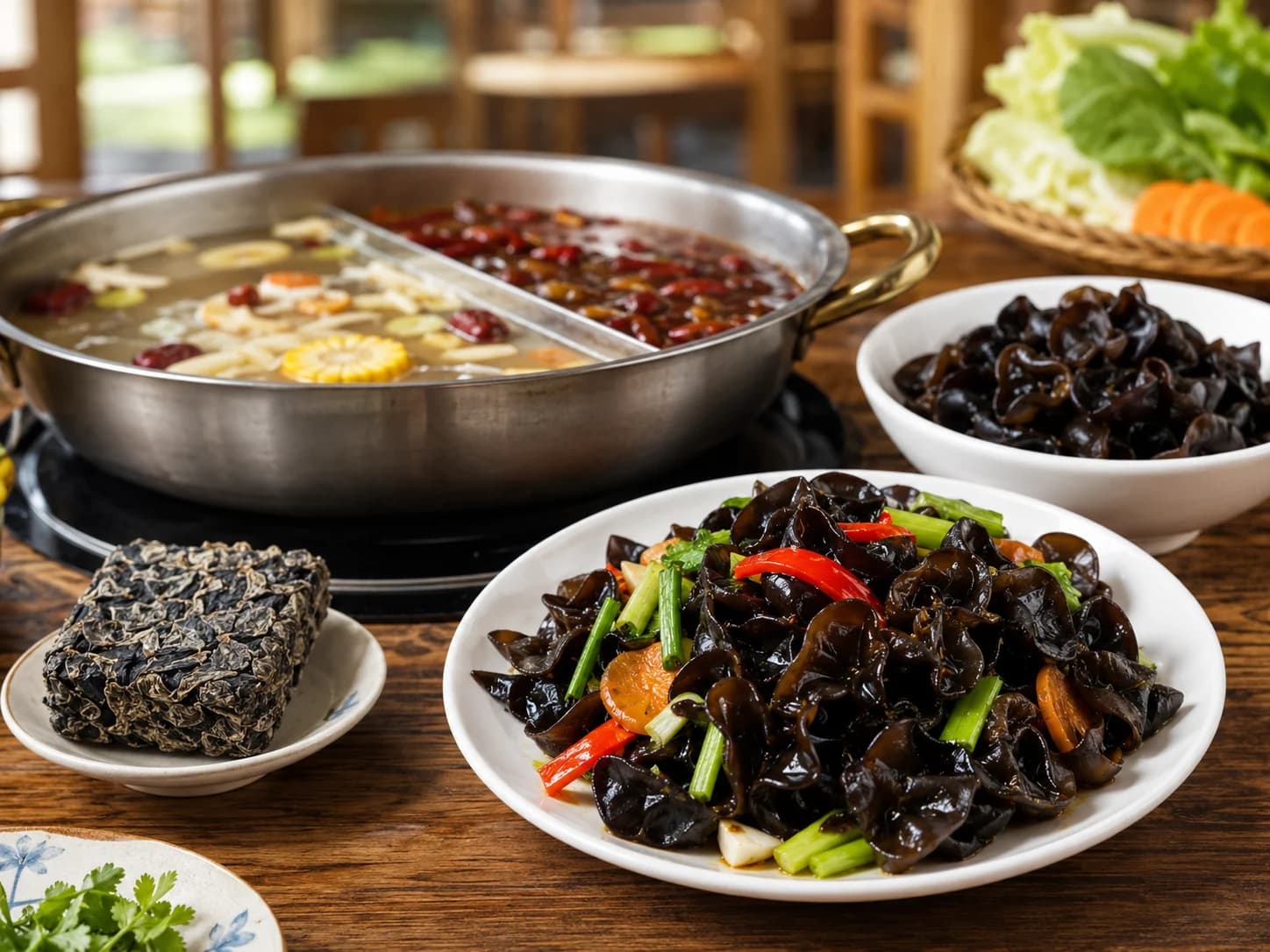
Photograph the dry block and rehydrated result, record the method and retain an approved sample for production comparison.
Need a product-specific quotation?
Send Longki Foods your target product, pack, quantity and destination market. We will identify the information that still needs confirmation.
Request a Quote