Why ratio notation can be ambiguous
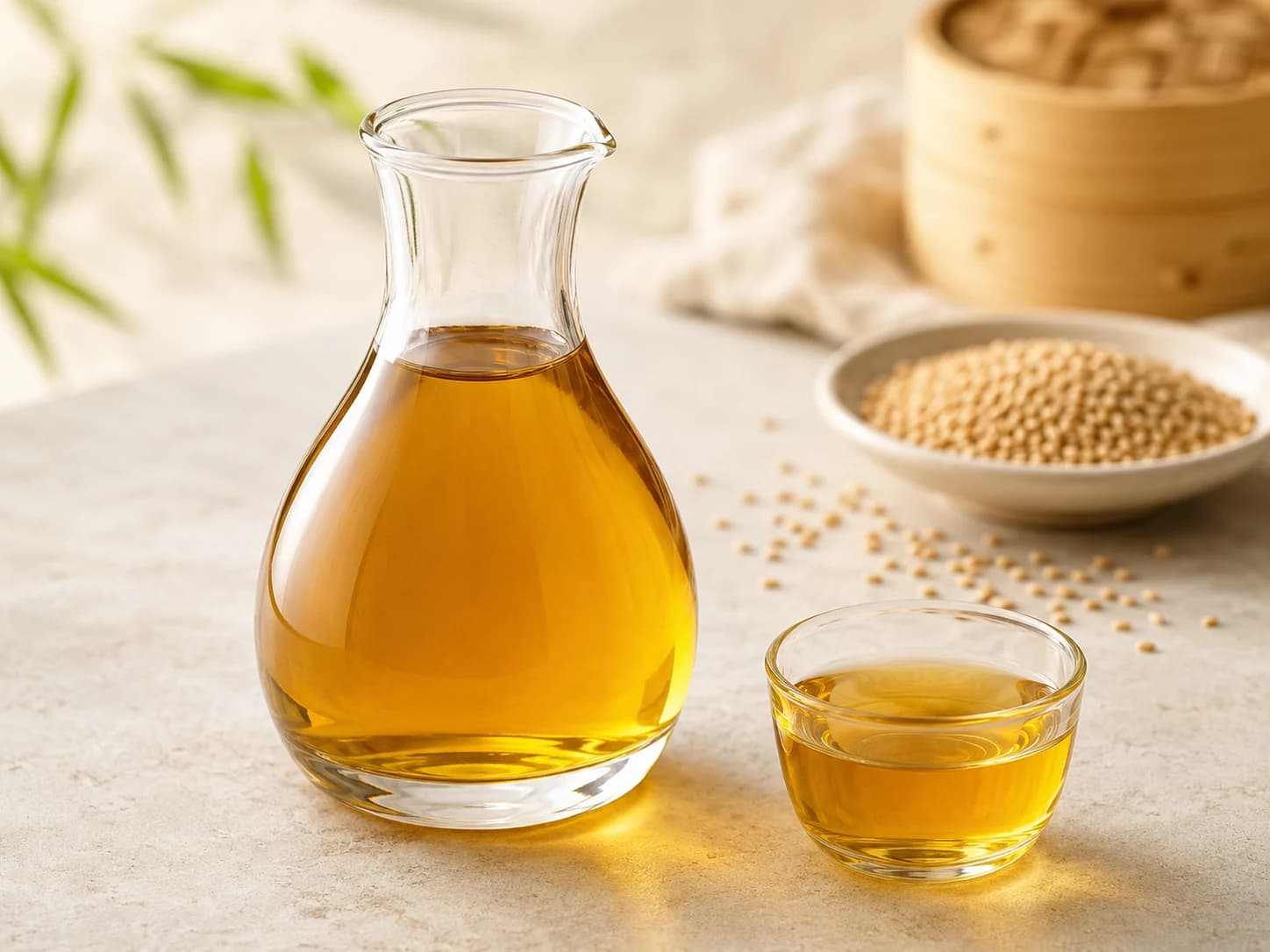
The expressions 3:7 and 2:8 communicate relative parts but do not identify the component order by themselves. A purchase specification should state soybean oil percentage and sesame oil percentage separately.
This prevents a formula from being interpreted in reverse during sampling, costing or repeat orders.
Connect ratio to sensory strength
A higher sesame percentage may increase sesame character, but raw material, pressing, roasting or refining treatment also influence aroma, colour and finish.
Set a sensory benchmark for the actual kitchen application rather than accepting percentage alone.
Test dosage and usable performance
Compare the oil at realistic dosage in noodles, dumplings, vegetables, marinades, dressings or central-kitchen recipes. Record aroma, flavour balance and aftertaste.
The selected blend should meet the application target without forcing an impractical recipe change.
Keep allergens and claims formula-specific
A soybean and sesame oil blend contains soy and sesame. Destination wording and cross-contact information should follow the selected factory documents.
Pure sesame oil, non-GMO and certification claims need separate product-specific evidence.
Control custom ratios as new versions
Treat a custom 2:8 or other ratio as a defined formula version with its own sample, specification, label review and cost.
Confirm whether packaging, MOQ, lead time or shelf-life evidence changes with the custom formula.
Need a product-specific quotation?
Send Longki Foods your target product, pack, quantity and destination market. We will identify the information that still needs confirmation.
Request a Quote